Why Mice Move Into Toronto Homes and Condos in Winter

Mice move into Toronto homes and condos in winter because indoor spaces offer warmth, shelter, food and quiet places to nest. A sighting often points to an access gap, an available food source or a nesting opportunity, not a problem with a resident’s cleanliness.

Even a tidy home can have openings around pipes, doors or building services. Once inside, mice may travel through walls, ceilings and shared service areas, making it hard to tell where the activity began.

Quick Facts

  • Signs: Droppings, scratching sounds, gnaw marks, shredded nesting material and activity near stored food, utility areas or baseboards
  • Timing: Mice may become more noticeable indoors during winter, but prevention and monitoring matter year round
  • What We Do: We provide rodent control and prevention services for Toronto homes, condos and multi-residential properties

When we inspect, we look for active activity as well as the routes mice may be using to enter. A mice exterminator in Toronto should focus on both parts of the problem.

Why Do Mice Come Indoors During Winter?

Protected indoor areas can give mice a place to settle when outdoor conditions are less suitable. Heated sections of a house or building, wall spaces, utility rooms and storage areas can all provide sheltered nesting spots.

Food and water also matter. Open food packages, pet food, crumbs behind appliances, accessible garbage and cluttered storage can make an area more appealing. This is not about blame. Small food sources that are easy to miss can be enough to support mouse activity.

In Toronto condo and rental buildings, we often see another challenge: one property may offer many connected travel routes and food sources. Mice can move between service areas, wall voids and units, so activity in one suite may be part of a wider building concern.

How Do Mice Get Into Houses And Condos?

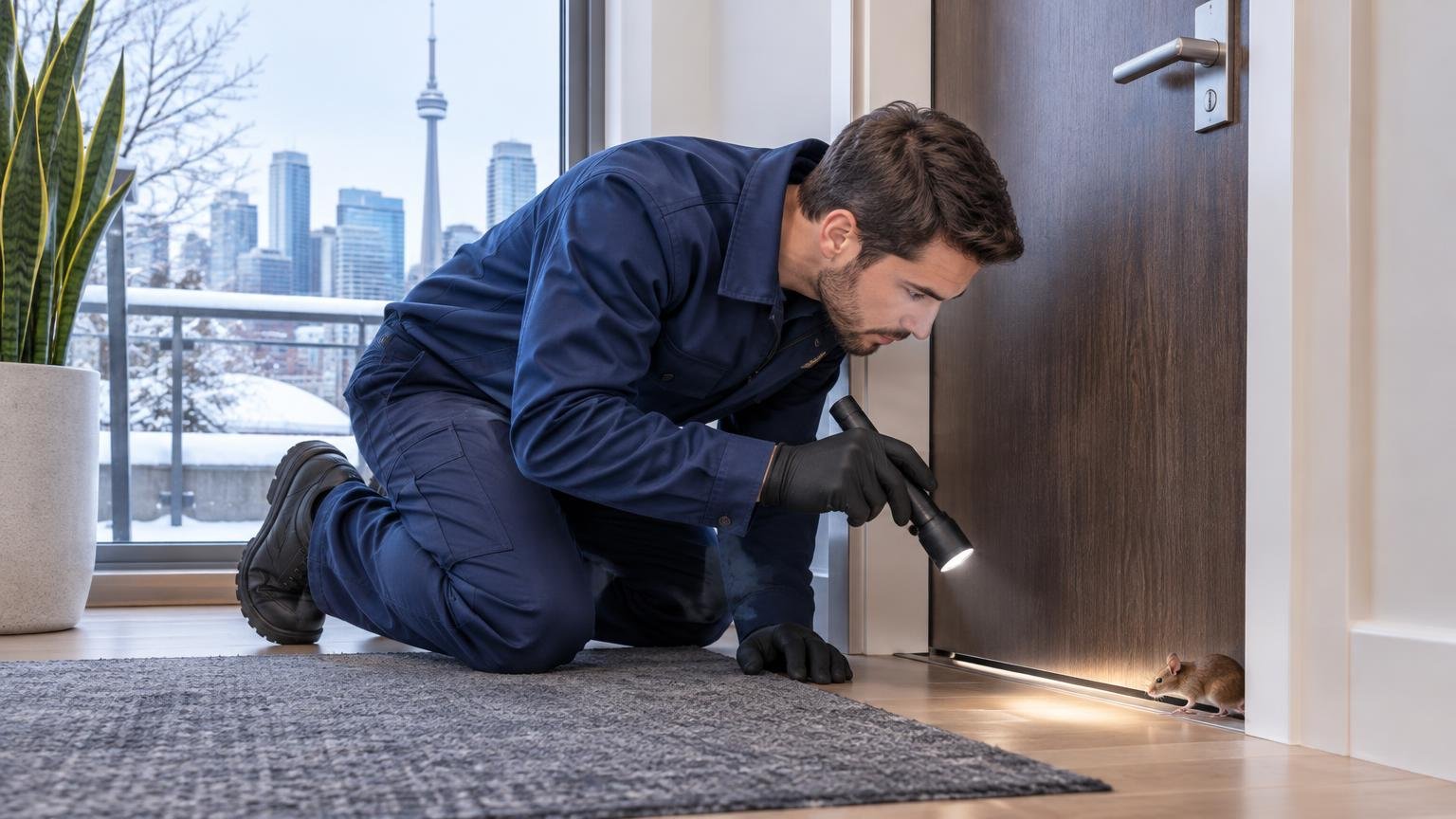
A mouse does not need a large opening to get inside. In houses, we commonly assess gaps around utility lines, cracks near foundations, worn door sweeps, garage door gaps, vents, roofline openings and spaces around windows.

Condo entry points can be less obvious because building services pass through many areas. Openings beneath sinks, behind appliances, around heating or electrical connections, balcony door gaps and service penetrations may all create access routes. Storage lockers and areas where building services enter a unit can also deserve attention.

Visible droppings may not appear, and scratching may not be heard, near the first entry point. Mice can move through wall voids, ceilings and service pathways before reaching a kitchen, bedroom or storage area. For that reason, a mice exterminator in Toronto should assess the affected unit and, when appropriate, the wider route through the property.

Why Are Condo Service Areas Mouse Hotspots?

Service spaces can give mice food, warmth and cover without much disturbance. Garbage rooms, compactor rooms and recycling areas may attract activity when food waste, spills, overflowing containers or damaged bin lids are present. Regular cleaning, secure waste handling and prompt reporting of damaged doors or containers can help reduce opportunities.

Electrical rooms, mechanical rooms and utility corridors can also be attractive because they contain warm equipment, pipe openings and pathways that may connect several floors or units. These spaces are easy to overlook when the concern first appears inside a suite.

Parking garages and loading areas are other places to consider. Mice may enter through exterior openings, door gaps, drains, deliveries or connections to storage and service rooms. Effective control often depends on coordination among residents, building staff and property management, rather than treating one area in isolation.

What Should Property Managers Do About Mice?

A clear response plan helps managers spot patterns before concerns spread. We recommend documenting sightings and affected areas, inspecting for signs and access points, and giving residents simple instructions for reporting activity promptly.

For recurring concerns, building-wide prevention is often more useful than isolated unit treatments. The review should include affected suites as well as garbage, compactor, electrical, mechanical, parking and storage areas.

A practical process may include:

  • Recording where and when activity is reported
  • Reviewing sanitation and waste-handling concerns
  • Checking doors, service penetrations and other maintenance issues
  • Communicating reporting steps to residents and staff
  • Tracking findings and recommended follow-up work

We work with condo corporations, property-management companies, housing co-ops and rental buildings. After every commercial visit, we provide a written service report so managers can track findings and next steps. A mice exterminator in Toronto can help identify where activity is happening and support a prevention-focused plan.

How Can You Address Mice In A Toronto Property?

Winter mouse concerns are best handled by combining control measures with exclusion, sanitation and ongoing monitoring. Early reporting matters, especially when you notice droppings, scratching, gnawing or nesting material near food storage, baseboards or utility areas.

For homes, checking common access points can help identify concerns sooner. In condos, residents and management should treat mouse activity as a shared building issue when service areas, connected units or common spaces may be involved. The key takeaway is that lasting prevention depends on finding entry routes, reducing food and shelter opportunities, and tracking activity across the areas mice may be using.

Get a Clear Plan for Your Property

GO! Pest Control can assess the activity and recommend practical next steps for your home or building. If you need a mice exterminator in Toronto, our team can help identify the scope of the issue and provide a tailored treatment plan. Contact us to arrange an inspection.
Winter Pest Checklist for GTA Condo Managers and Boards

A winter pest checklist helps condo boards catch building concerns before they turn into larger, harder-to-track issues. We recommend reviewing the whole property, not only the area named in the latest complaint.

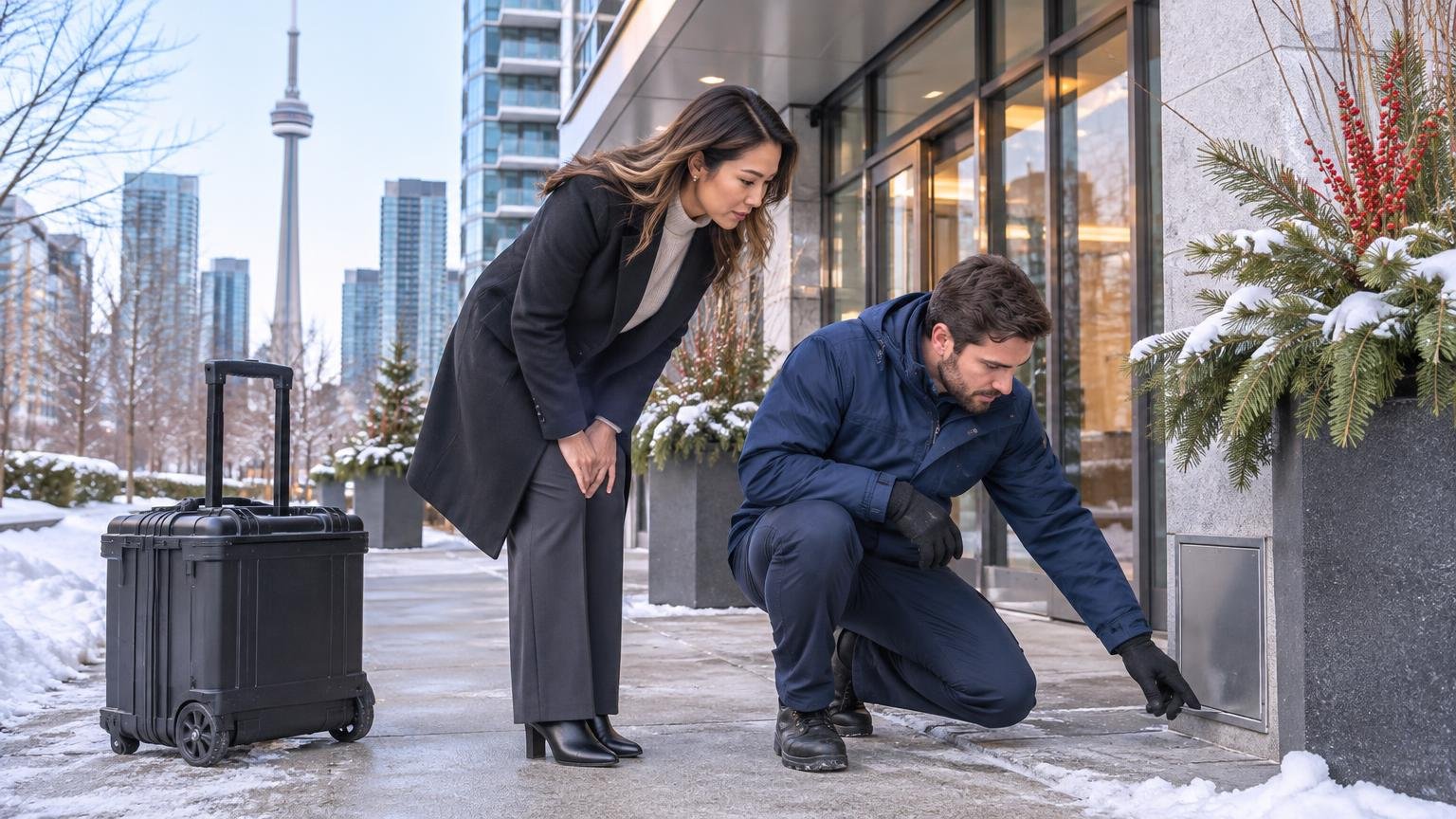
For condo managers, boards and site staff in Toronto, Mississauga and York Region, that means checking common areas, service rooms, exterior access points and affected units. A simple record should show what was found, where it was found, what action was taken and what still needs follow-up. Over time, those records can reveal patterns that individual reports may not show.

Fact Box

  • Signs: Droppings, gnawing, insect sightings, recurring unit complaints, damaged door sweeps, bird fouling, nesting material and activity around garbage or service areas.
  • Timing: Complete a full property review before winter conditions set in, then continue checks during scheduled service visits.
  • What We Do: We provide free commercial inspections, monthly prevention programs and a written service report after every commercial visit. GO! Pest Control is licensed and insured, with $5 million liability insurance and WSIB coverage.

Why Do Mice Enter Condo Buildings In Winter?

Mice can enter multi-residential buildings through small gaps around doors, utility penetrations, garage entrances, loading areas and service rooms. One mouse sighting does not always point to one simple source. We look for possible routes between outdoor areas, common spaces and individual units.

Winter inspections should include garbage and compactor rooms, parkades, electrical rooms, mechanical rooms, storage areas, loading bays and door thresholds. Staff should document droppings, gnaw marks, damaged weatherstripping, gaps and unsecured waste containers. That information helps maintenance staff and pest-control teams coordinate repairs, monitoring and follow-up.

Rodents are among the most common pest concerns in Toronto condo and rental buildings in our job records. Effective condo pest control in Toronto should combine inspection, exclusion recommendations, monitoring and clear communication with the people responsible for the property.

How Should We Inspect Garbage Rooms And Parkades?

Garbage rooms deserve close attention because waste, residue and access gaps can make these areas attractive to pests. The goal is not to place blame on staff or residents. Instead, we recommend noting conditions that may need better cleaning, maintenance or waste-handling routines.

During a walkthrough, record concerns such as:

  • Overflowing, damaged or uncovered bins
  • Loose garbage bags and residue around containers
  • Gaps around garbage-room doors or chutes
  • Pest activity near compactors, drains or waste storage areas
  • Clutter and stored materials that limit visibility

Parkades and connected service areas should receive the same level of care. Review garage doors, pedestrian doors, storage lockers, floor-level openings and utility penetrations. Electrical and mechanical rooms matter as well because they may connect common areas with building infrastructure.

A useful service request includes the location, date, observed signs and any related maintenance concern. It should also state whether the issue needs cleaning, repair, pest monitoring or treatment. Clear notes help the property manager, board, superintendent and service provider work from the same information.

How Can Boards Manage Birds And Unit Complaints?

Birds and pigeons can become a concern around roofs, balconies, ledges and mechanical areas. Site staff should document the exact location, visible nesting material, fouling and the type of activity observed. Notes should also explain whether the activity affects drainage, equipment access, resident balcony use or another building function.

Resident communication can help boards collect better information. We suggest reminding owners and tenants to report ongoing bird activity, avoid leaving food sources on balconies and follow building rules for balcony use. Consistent messaging is especially helpful when several units share the same roofline, ledge or balcony area.

Unit complaints need a similarly clear process. For cockroaches, bed bugs and rodents, record the unit number, report date, visible signs, past service history and nearby units or common areas that may need review. For boards comparing condo pest control in Toronto, a documented unit-complaint process can make communication and follow-up more consistent.

When cockroach or bed bug work is needed, access planning matters. We can coordinate preparation instructions where appropriate and recommend reviewing adjacent units when the concern or building layout calls for a broader inspection. Responsibility can vary, so boards should consult their declaration, bylaws, rules and applicable agreements before assigning owner, tenant or corporation duties.

What Should A Monthly Prevention Program Include?

A monthly prevention program gives the board a recurring way to inspect, monitor and respond to pest concerns. Rather than focusing only on the newest complaint, we review the building areas most connected to pest activity, including service rooms, waste areas, parkades, common spaces and reported units.

After each commercial visit, our written service report can help the board maintain a clear service history. It should include the visit date, areas inspected, signs observed, monitoring or treatments completed, sanitation or maintenance recommendations, unit access concerns and suggested follow-up actions.

Education also supports better building-wide communication. We provide CMRAO-approved education sessions for condo managers, helping management teams and boards understand pest-prevention responsibilities, reporting processes and practical ways to communicate with residents. Since 2015, we have worked with condo corporations, property managers, rental buildings and housing co-ops.

How Do We Turn Findings Into An Action Plan?

A workable action plan does not need to create alarm. It should give the board a repeatable process: inspect garbage and service areas, review parkades and entry points, document bird activity, respond consistently to unit complaints and keep written records after each visit.

Use a checklist at property-management meetings, annual planning sessions and vendor reviews. When recurring concerns are tracked in one place, it becomes easier to see where pest-control work, maintenance repairs, cleaning routines and resident communication need to line up.

Keep Your Condo’s Winter Plan Moving

For practical condo pest control in Toronto, our team can help your board or management team address concerns with a clear service plan. GO! Pest Control provides free commercial inspections and written service reports after every commercial visit. Contact us to discuss your building’s winter pest-control needs.