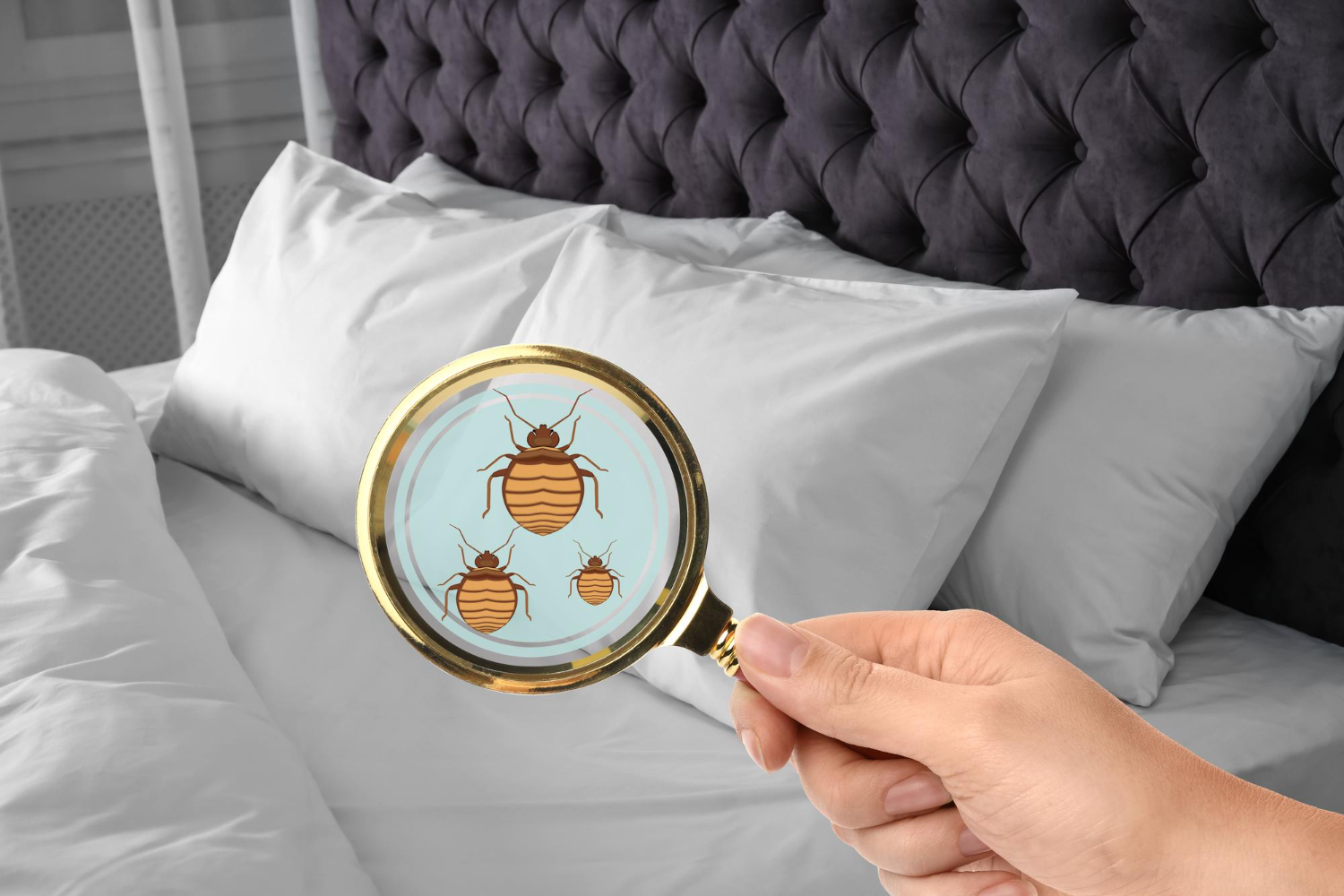
In a Toronto condo, who pays for bed bug work depends on the condominium corporation’s declaration, by-laws, rules, lease terms and the circumstances of the infestation. Residents usually need to report signs quickly, provide access and complete preparation, while the condo corporation coordinates the building-level response and a pest professional inspects affected and adjoining units.
Bed bugs are not a cleanliness issue. They can move between suites through shared walls, utility openings, hallways and resident belongings, so prompt reporting and clear communication can help limit how far the problem spreads.
Why Does A Clear Plan Matter For Condo Bed Bugs?
One reported suite may be the first place bed bugs were noticed, not necessarily the only place they are present. We recommend treating every report seriously and following one coordinated process, rather than leaving each resident to handle the issue alone.
- Signs: live bugs, small dark spotting, shed skins, and bites that may appear after sleeping.
- Timing: report suspected activity as soon as it is noticed. Do not wait for the problem to become obvious.
- What we do: inspect reported suites and potentially affected adjoining units, identify treatment needs, and provide a written service report after commercial visits.
A clear process helps residents know what to do without panic or blame. It also helps managers track access, preparation and inspection findings from one unit to the next. For more information about how we approach these pests, our process focuses on clear communication, preparation and inspection.
Who Pays For Bed Bug Treatment In A Toronto Condo?
Payment responsibility is not the same in every building. The condo corporation’s governing documents, where the activity is found, the possible cause and the circumstances around the infestation can all affect how costs are handled.
In general, the condo corporation may coordinate inspections and work involving common elements or more than one suite. Unit owners may have responsibilities set out in the declaration, by-laws or rules. Tenants may also have duties under their lease and building rules, including reporting concerns and allowing required access.
Before anyone discusses chargebacks or assigns responsibility, we recommend that boards and managers review the building’s declaration, by-laws, rules, insurance requirements and property-management procedures. Residents who are unsure should speak with their landlord, unit owner or property manager.
The payment question matters, but it should not hold up an inspection when there is a risk of spread. Bed bugs do not wait for paperwork to be sorted out, and early inspection gives everyone better information for deciding what needs to happen next.
Who Prepares A Condo Unit For Bed Bug Treatment?
Preparation is a shared effort. Residents need to follow the written instructions provided for their unit, which may include reducing clutter, bagging or containing belongings as directed, completing laundry steps when specified and making the suite accessible for service.
Tenants should report signs quickly, cooperate with the preparation requirements and provide access according to their building’s process. Unit owners should help make sure communication with tenants is clear and that access problems do not slow the response.
A manager or condo corporation can keep the process consistent by issuing a clear notice that explains:
- The inspection or service date
- Access requirements for the unit
- Required preparation steps
- Who residents can speak with if they have questions
- What happens if access or preparation is incomplete
Preparation instructions should always come from the treatment provider. The right steps can vary based on the treatment approach, the suite layout and conditions found during the inspection. Guessing or using a different checklist can make the work less organized and create delays for everyone involved.
Why Should Adjoining Condo Units Be Inspected?
Treating only the suite where bed bugs were first reported can leave nearby activity undiscovered. Bed bugs may be present in neighbouring units before another resident sees a live bug, notices spotting or connects bites with a possible infestation.
Depending on the inspection findings and the building layout, we may recommend inspecting units beside, above and below the reported suite. Other areas may also need attention if the building’s layout or inspection findings point to a possible connection.
This unit-by-unit approach helps the condo corporation make informed decisions. It can show whether the issue appears contained, whether additional suites need treatment and what information should be shared with residents. A coordinated bed bug treatment for a condo building helps management address affected units without overlooking nearby suites.
Privacy matters throughout the process. Building notices should focus on access, preparation and prevention, not on naming a resident or identifying a unit unless there is a clear operational reason to do so. Professional communication keeps the focus where it belongs, on stopping further spread.
How Does A Condo-Wide Bed Bug Plan Work?
A practical plan usually starts with a resident report and a management intake process. From there, we inspect the reported suite, assess adjoining or potentially affected units, provide treatment recommendations, schedule service and complete follow-up work when needed.
For condo boards and property managers, documentation makes a difficult situation easier to manage. Consistent notices, access tracking, preparation checklists and written service reports create a clear record of what was found and what steps were taken.
GO! Pest Control works with condo corporations, property-management companies and multi-residential buildings in Toronto and the GTA. Our team can help management organize unit inspections, communicate service requirements and maintain records after commercial visits.
What Should Your Building Do Next?
The most useful response is a calm, building-wide process. Payment questions should be reviewed against the building’s own documents, residents need clear preparation and access instructions, and inspections should extend beyond the first reported suite when the situation calls for it.
When tenants, unit owners, managers and the condo corporation follow the same plan, it is easier to spot concerns early and avoid leaving nearby suites out of the response.
Build a Clear Bed Bug Response Plan
GO! Pest Control can help your board or manager arrange bed bug treatment for a condo building with practical inspection and preparation guidance. We provide written service reports after commercial visits to support clear communication and follow-up. To discuss your building’s needs, contact us for a free commercial inspection.