GO! Pest Control logo
  • HOME
  • SERVICES
    • RESIDENTIAL PEST CONTROL
    • COMMERCIAL PEST CONTROL
    • PEST & WILDLIFE CONTROL
    • INSECT EXTERMINATION
    • BIRD CONTROL
    • ODOUR CONTROL SERVICES
  • AREAS WE SERVE
    • TORONTO (GTA)
    • OTTAWA (NCR)
    • HAMILTON
  • PEST ARCHIVE
    • ANTS
    • BED BUGS
    • COCROACHES
    • RODENTS
    • WILDLIFE
    • MORE PEST
  • Contact us
CALL NOW
866-467-3789
GET A FREE
ESTIMATE
CALL US NOW

Theif ants

Pest profile

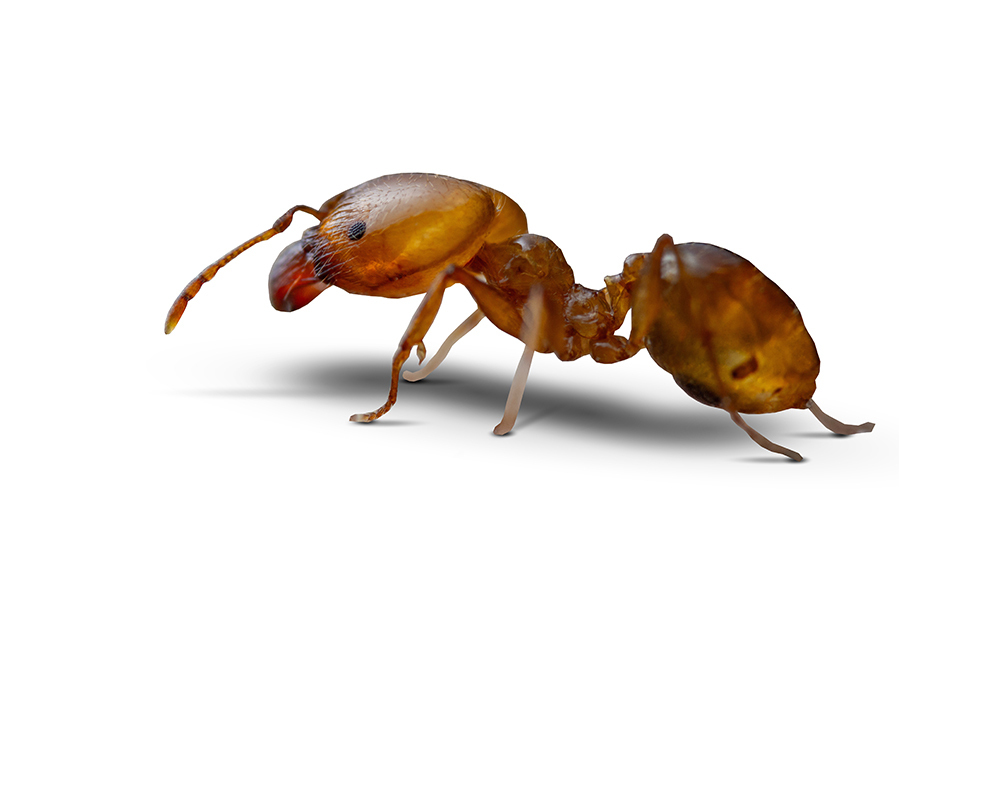
A thief ant photographed close up, used on the GO! Pest Control pest library page
Theif ant
Size: Adult worker 1 - 1.5 mm
Colour: Adult workeris dark brown to black
Description: The little black ant lives in exposed or covered doil, rotten wood, and behind baseboards. It feeds on insects, honeydew, grease, oils, vegetables, and fruit.

Thief ants are a tiny species of ant

What thief ants look like

Thief ants get their name from how they live. They nest right beside other ant colonies, tunnel in, and steal food and brood from their neighbours. They are tiny, only 1 to 1.5 mm, and pale yellow to light or dark brown, which makes them hard to spot on a counter. The clearest identification feature is the antennae. They have ten segments ending in a club of two, while pharaoh ants, which they closely resemble, have twelve segments and a club of three. Thief ants are also duller in colour than pharaoh ants and have two small nodes on the waist. Because of their size they are sometimes called grease ants, and they are frequently mistaken for a small dark speck rather than an insect.

Signs you have thief ants

  • Extremely small ants near grease. Activity around the stove, the oven vent, the toaster, meat scraps and cheese rather than the sugar bowl.
  • Ants in another ant problem. They often turn up alongside a larger ant species, because they nest next to those colonies to rob them.
  • Faint, wandering trails. Lines are thin and easy to lose, and they run through cracks in counters, cupboard joints and wall voids.
  • Activity around dead insects. They collect dead insects, carrion and pet food, which is unusual for a house ant this small.
  • Ants in stored meat or cheese. Packaged protein foods and pet kibble are common finds.

Why thief ants come indoors

Outdoors they nest in soil, under stones and in rotting wood, almost always close to a larger ant colony they can raid. Indoors they use wall voids, cabinet cracks, spaces behind trim and gaps under countertops. Their small size lets them exploit openings that other ants cannot use, including the seams around plumbing and electrical work. They come inside for grease, protein and moisture. A steady indoor population often means a nest is already inside rather than in the garden. They are also opportunists around other pest problems, so a thief ant complaint sometimes appears while a different ant or a rodent issue is being dealt with.

How to keep thief ants out

  • Degrease regularly behind and under the stove, the range hood filter and the toaster, since grease is the main draw.
  • Seal cracks at countertop seams, cabinet backs, baseboards and around plumbing and electrical penetrations.
  • Store pet food and dry protein foods in sealed hard containers and do not leave bowls down overnight.
  • Take out kitchen waste often and rinse bins, because meat residue holds them in the room.
  • Deal with any other ant colonies close to the foundation, since thief ants settle beside them.

How GO! Pest Control treats thief ants

  • Inspection. We confirm the species under magnification, because the treatment differs from pharaoh ants, and we search cracks, voids and the area around any neighbouring ant colony.
  • Treatment. We use grease and protein based baits placed in the cracks these ants actually use, plus targeted crack and crevice work. Broad spraying is avoided because it scatters the colony.
  • Follow-up. We return to check bait take and to re-place material, since the small foraging range means bait has to be close to the nest to work.
  • Advice. We explain where grease and protein are building up out of sight and which gaps need sealing.

We are licensed, insured and bonded, and we work in homes, apartments, condos and businesses across the Toronto GTA, Ottawa and Hamilton.

Common questions about thief ants

How are they different from pharaoh ants?

Thief ants have ten antennal segments ending in a two-segment club, and pharaoh ants have twelve ending in a three-segment club. Pharaoh ants are brighter yellow and prefer sweets, while thief ants lean toward grease and protein.

Why do sweet ant baits not work on them?

Thief ants often ignore sugar baits because they are feeding on grease, dead insects and protein. A bait matched to what they are actually eating gets taken back to the nest.

Do they sting?

They have a stinger, but it is too small to penetrate skin in any meaningful way. The concern is food contamination, not stings.

Types of Ants

Click the ant type to learn what to look for and why the right treatment plan matters.
Carpenter ant
Pavement ant
Pharaoh ant

Related Pests

Other pests we deal with that often turn up in the same places.

Types of Theif ants

Subject: Theif ants

SEND A QUICK MESSAGE

ROUND-UP YOUR Theif ants PROBLEM.

We’re Standing-by to Help
18000
Satisfied clients
12
Awards in 2018, 2019, 2020
50
Years of combined experience
1000000+
Pests exterminated or relocated
AWARD-WINNING SUPPORT
Need Assistance?

Our friendly and knowledgeable team will be happy to help! Contact us to speak to a representative.

SECURED PAYMENT
Safe & easy

Every transaction is completely secure. We take your privacy seriously.

QUICK TURN-AROUND
We take fast action

Pest problems wait for no one. That’s why you won’t have to wait long for us to take care of them.

GO! PEST PROTECTION
Coverage with responsibility

We are bonded and insured to give our clients the peace of mind they deserve.

ABOUT US

GO! Pest Control logo

A team of highly trained Pest Control & Extermination experts, covering the entire Toronto GTA and Ottawa’s NCR. We take infestations as seriously as we do the environment and safety of humans & protected wildlife.

X-twitter Pinterest Youtube Instagram Linkedin

PEST ARCHIVE

  • ANTS
  • BED BUGS
  • COCKROACHES
  • RODENTS
  • WILDLIFE
  • MORE PEST
  • ANTS
  • BED BUGS
  • COCKROACHES
  • RODENTS
  • WILDLIFE
  • MORE PEST
  • ANTS
  • BED BUGS
  • COCKROACHES
  • RODENTS
  • WILDLIFE
  • MORE PEST
  • ANTS
  • BED BUGS
  • COCKROACHES
  • RODENTS
  • WILDLIFE
  • MORE PEST

OUR SERVICES

  • RESIDENTIAL PEST CONTROL
  • COMMERCIAL PEST CONTROL
  • PEST & WILDLIFE CONTROL
  • INSECT EXTERMINATION
  • BIRD CONTROL
  • RESIDENTIAL PEST CONTROL
  • COMMERCIAL PEST CONTROL
  • PEST & WILDLIFE CONTROL
  • INSECT EXTERMINATION
  • BIRD CONTROL
  • RESIDENTIAL PEST CONTROL
  • COMMERCIAL PEST CONTROL
  • PEST & WILDLIFE CONTROL
  • INSECT EXTERMINATION
  • BIRD CONTROL
  • RESIDENTIAL PEST CONTROL
  • COMMERCIAL PEST CONTROL
  • PEST & WILDLIFE CONTROL
  • INSECT EXTERMINATION
  • BIRD CONTROL

AREAS WE SERVE

  • OTTAWA (NCR)
  • TORONTO (GTA)
  • OTTAWA (NCR)
  • TORONTO (GTA)
  • OTTAWA (NCR)
  • TORONTO (GTA)
  • OTTAWA (NCR)
  • TORONTO (GTA)

GO! PEST CONTROL

  • About
  • Contact
  • Careers
  • Blog
  • Testimonials
  • About
  • Contact
  • Careers
  • Blog
  • Testimonials
  • About
  • Contact
  • Careers
  • Blog
  • Testimonials
  • About
  • Contact
  • Careers
  • Blog
  • Testimonials
  • Privacy Policy
  • Terms
  • Site Map
  • 866-806-9227
  • Privacy Policy
  • Terms
  • Site Map
  • 866-806-9227
  • Privacy Policy
  • Terms
  • Site Map
  • 866-806-9227
  • Privacy Policy
  • Terms
  • Site Map
  • 866-806-9227

© 2026 GO! Pest Control, Inc. All rights reserved.