GO! Pest Control logo
  • HOME
  • SERVICES
    • RESIDENTIAL PEST CONTROL
    • COMMERCIAL PEST CONTROL
    • PEST & WILDLIFE CONTROL
    • INSECT EXTERMINATION
    • BIRD CONTROL
    • ODOUR CONTROL SERVICES
  • AREAS WE SERVE
    • TORONTO (GTA)
    • OTTAWA (NCR)
    • HAMILTON
  • PEST ARCHIVE
    • ANTS
    • BED BUGS
    • COCROACHES
    • RODENTS
    • WILDLIFE
    • MORE PEST
  • Contact us
CALL NOW
866-467-3789
GET A FREE
ESTIMATE
CALL US NOW

Sparrow

Pest profile

A house sparrow photographed close up, used on the GO! Pest Control pest library page
SPARROW
Size: 13-16 cm (5"-6.6")
Colour: Male has black throat, white cheeks, and chestnut neck with grey crown and rump. The female is streaked dull brown and dingy white below.
Description: The house sparrow is a non-migratory bird and established throughout Ontario. They nest in buildings in early spring the nests are constructed of grass, straw and debris.

New World sparrows

What house sparrows look like

The house sparrow is a small, stocky bird of about 13 cm to 16 cm, with a thick conical bill built for seeds. The male has a grey crown, chestnut brown along the sides and back of the neck, white cheeks and a black bib on the throat and chest that widens as the bird matures. The female and juveniles are plainer, in streaked dull brown and buff with a pale stripe behind the eye and no bib. Both have short legs and a short square tail. They are noisy, sociable and confident around people, hopping rather than walking, and gathering in chattering groups in hedges, on signage and around patios. The call is a flat repeated chirp.

Signs you have house sparrows

  • Constant chirping. Persistent chattering from a sign, soffit, vent or hedge close to a doorway, loudest early in the morning.
  • Bulky nests. Untidy masses of grass, straw, paper and feathers stuffed into vents, signage, light fittings, eaves and gaps in soffits.
  • Droppings below perches. Small white and dark splashes on entry doors, windows, patio furniture, stock and vehicles.
  • Birds indoors. Sparrows flying inside warehouses, garden centres, loading bays and food courts, and settling in ceiling structures.
  • Blocked vents. Reduced airflow from a dryer or bathroom vent where nest material has packed the duct.
  • Nest debris and insects. Straw, feathers and dust below nest sites, sometimes with mites or small beetles.

They favour the same gaps every year, so an unaddressed site is reused each spring.

Why house sparrows show up around Ottawa and Toronto properties

The house sparrow was introduced to North America in the nineteenth century and has lived alongside people ever since. It is not a woodland bird. It is a building bird, and it nests in cavities, which in a city means vents, soffit gaps, signage boxes, light fixtures, open rafters and the space behind loose flashing. Food is easy to come by: seed from bird feeders, spilled grain, crumbs around patios and food courts, pet food, and waste around bins. Warehouses, garden centres, grocery stores, farms and restaurant patios across the GTA, Ottawa and Hamilton give them everything they need. They stay all winter rather than migrating, so a nesting site near shelter and food supports birds year round.

Are house sparrows dangerous?

They are not a danger to people in any direct sense. They do not attack, and healthy adults are not at risk from having sparrows on the property. The problems are practical. Nests packed into dryer vents, exhaust ducts and light fittings block airflow and create a fire risk, and the dry material is flammable. Droppings soil entrances, stock, vehicles and outdoor seating, and they are corrosive over time. Nest debris carries mites, carpet beetles and flies that can move into the building. In food handling and retail settings, birds inside the building are a hygiene issue and can affect inspections. House sparrows also compete aggressively with native cavity nesting birds, which is one reason they are treated differently from protected native species.

How to keep house sparrows away

  • Screen every vent, soffit gap, weep hole, light fitting and opening above doorways with mesh that is fastened along all edges.
  • Remove nests promptly once a site is inactive, then close the gap so it cannot be rebuilt in the same place.
  • Fit deterrents to favoured perches such as signage tops, ledges, beams and canopy frames.
  • Take down or move seed feeders away from the building, and clean up spilled seed and grain.
  • Keep bins closed, sweep patios and loading areas, and clear food debris from seating areas each day.
  • Keep overhead doors closed when not in use and fit strip curtains or screens on doors that must stay open.

Closing the cavity is the step that lasts. Everything else is maintenance.

How GO! Pest Control handles house sparrows

  • Inspection. We identify the species, locate active and old nest sites and map the perches, entry gaps and food sources supporting the birds.
  • Deterrents. We install exclusion and deterrent systems suited to the building, including mesh, netting, vent guards and perch deterrents.
  • Removal. We remove nests and debris and clean the affected areas, with appropriate protection and disposal.
  • Follow-up. We return to check the work, since sparrows test a building repeatedly and will try the next opening along.
  • Advice. We explain the housekeeping and maintenance that keeps them out, and we carry out bird work within the applicable rules.

We are licensed, insured and bonded, and we work in homes, apartments, condos and businesses across the Toronto GTA, Ottawa and Hamilton.

Common questions about house sparrows

Are house sparrows a protected species in Canada?

The house sparrow is an introduced species and is not covered by the federal migratory bird protections that apply to most native birds. Other rules can still apply, so we work within them and do not offer legal advice.

Why do they nest in my dryer vent?

It is a warm, sheltered cavity with an opening they can fit through, which is exactly what they look for. A well fitted vent guard prevents it without affecting airflow.

Can I just remove the nest myself?

You can clear an inactive nest, but unless the opening is closed the birds rebuild within days. Correct identification also matters, because native species are handled differently.

Do sparrows carry anything harmful?

The birds themselves are not a direct danger. The concern is nest debris and droppings, which can carry mites and other insects and should be cleaned up properly.

Will they leave on their own in winter?

No. House sparrows do not migrate. They stay near buildings all year, which is why exclusion rather than waiting is the practical answer.

Types of Ants

Click the ant type to learn what to look for and why the right treatment plan matters.
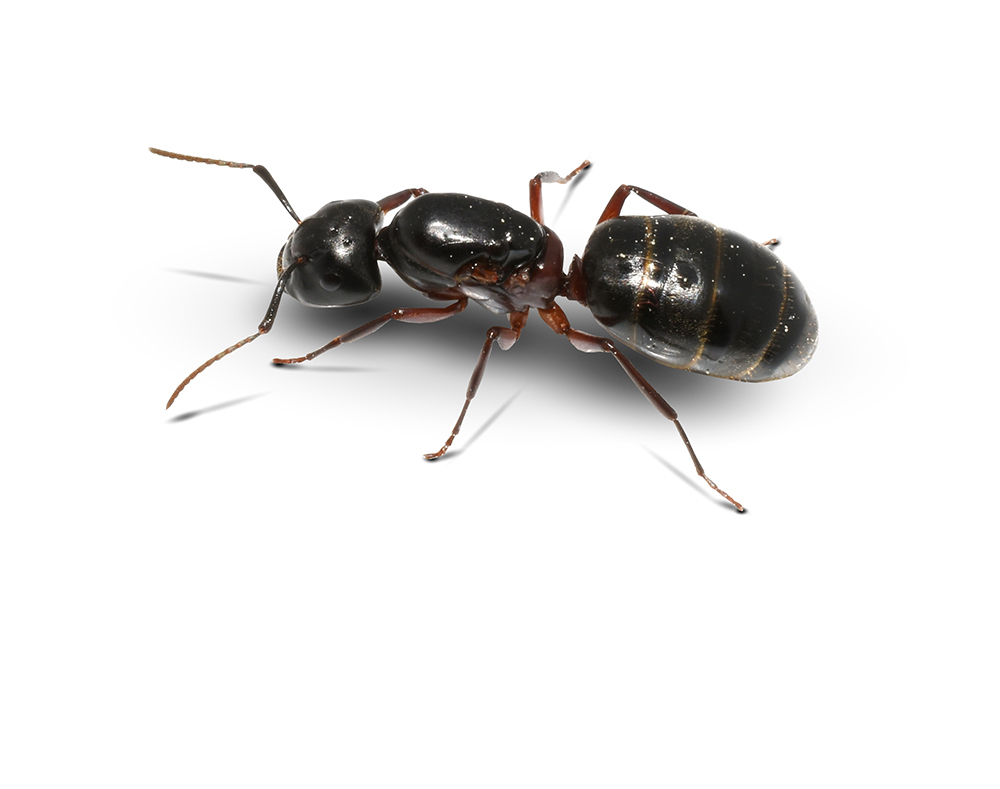
Carpenter ant
Pavement ant
Pharaoh ant

Related Pests

Other pests we deal with that often turn up in the same places.

Types of Sparrow
House sparrow

Subject: Sparrow

SEND A QUICK MESSAGE

ROUND-UP YOUR Sparrow PROBLEM.

We’re Standing-by to Help
18000
Satisfied clients
12
Awards in 2018, 2019, 2020
50
Years of combined experience
1000000+
Pests exterminated or relocated
AWARD-WINNING SUPPORT
Need Assistance?

Our friendly and knowledgeable team will be happy to help! Contact us to speak to a representative.

SECURED PAYMENT
Safe & easy

Every transaction is completely secure. We take your privacy seriously.

QUICK TURN-AROUND
We take fast action

Pest problems wait for no one. That’s why you won’t have to wait long for us to take care of them.

GO! PEST PROTECTION
Coverage with responsibility

We are bonded and insured to give our clients the peace of mind they deserve.

ABOUT US

GO! Pest Control logo

A team of highly trained Pest Control & Extermination experts, covering the entire Toronto GTA and Ottawa’s NCR. We take infestations as seriously as we do the environment and safety of humans & protected wildlife.

X-twitter Pinterest Youtube Instagram Linkedin

PEST ARCHIVE

  • ANTS
  • BED BUGS
  • COCKROACHES
  • RODENTS
  • WILDLIFE
  • MORE PEST
  • ANTS
  • BED BUGS
  • COCKROACHES
  • RODENTS
  • WILDLIFE
  • MORE PEST
  • ANTS
  • BED BUGS
  • COCKROACHES
  • RODENTS
  • WILDLIFE
  • MORE PEST
  • ANTS
  • BED BUGS
  • COCKROACHES
  • RODENTS
  • WILDLIFE
  • MORE PEST

OUR SERVICES

  • RESIDENTIAL PEST CONTROL
  • COMMERCIAL PEST CONTROL
  • PEST & WILDLIFE CONTROL
  • INSECT EXTERMINATION
  • BIRD CONTROL
  • RESIDENTIAL PEST CONTROL
  • COMMERCIAL PEST CONTROL
  • PEST & WILDLIFE CONTROL
  • INSECT EXTERMINATION
  • BIRD CONTROL
  • RESIDENTIAL PEST CONTROL
  • COMMERCIAL PEST CONTROL
  • PEST & WILDLIFE CONTROL
  • INSECT EXTERMINATION
  • BIRD CONTROL
  • RESIDENTIAL PEST CONTROL
  • COMMERCIAL PEST CONTROL
  • PEST & WILDLIFE CONTROL
  • INSECT EXTERMINATION
  • BIRD CONTROL

AREAS WE SERVE

  • OTTAWA (NCR)
  • TORONTO (GTA)
  • OTTAWA (NCR)
  • TORONTO (GTA)
  • OTTAWA (NCR)
  • TORONTO (GTA)
  • OTTAWA (NCR)
  • TORONTO (GTA)

GO! PEST CONTROL

  • About
  • Contact
  • Careers
  • Blog
  • Testimonials
  • About
  • Contact
  • Careers
  • Blog
  • Testimonials
  • About
  • Contact
  • Careers
  • Blog
  • Testimonials
  • About
  • Contact
  • Careers
  • Blog
  • Testimonials
  • Privacy Policy
  • Terms
  • Site Map
  • 866-806-9227
  • Privacy Policy
  • Terms
  • Site Map
  • 866-806-9227
  • Privacy Policy
  • Terms
  • Site Map
  • 866-806-9227
  • Privacy Policy
  • Terms
  • Site Map
  • 866-806-9227

© 2026 GO! Pest Control, Inc. All rights reserved.