
Mosquitoes are slender, long legged flies in the family Culicidae, usually 3 mm to 9 mm long. They have a narrow body, two wings with tiny scales along the veins, and a long forward pointing proboscis. Colours are muted: grey, brown, or black with pale banding on the legs and abdomen depending on the species. Males have feathery antennae and feed only on nectar. Females have finer antennae and take blood to develop their eggs, which is the only reason they bite. Larvae, often called wrigglers, live in standing water and hang from the surface to breathe. The pupae, known as tumblers, curl into a comma shape and move in short bursts when disturbed.
Where mosquitoes are biting, water is holding somewhere within a short flight.
Both regions give mosquitoes what they need: a warm humid summer, plenty of vegetation and a great deal of standing water. Species differ in habit. Some breed in floodwater and appear in waves after heavy rain, while others prefer stagnant, nutrient rich water in containers and catch basins and build up slowly through the season. Ravines, stormwater ponds, wetlands, riverbanks along the Ottawa and Rideau rivers and ditches on the edge of the GTA all produce large numbers. On a single property, the sources are smaller and easier to miss: saucers under planters, toys, tires, wheelbarrows, blocked eavestroughs, pool covers and the tray under an air conditioner. Adults then rest through the day in shaded shrubs, ivy and long grass before feeding in the evening.
For most people the bite itself is a minor irritation that fades in a few days, though some react strongly and scratching can lead to a skin infection. The more serious concern in Ontario is West Nile virus, which is carried by certain mosquitoes and is present in the province. Most people who are infected have no symptoms or mild ones, but a small number become seriously ill, and older adults are at higher risk. Public health units monitor mosquito activity in both the Ottawa area and the GTA each summer. Mosquitoes do not damage buildings and do not infest indoor spaces in the way many pests do. Anyone with a severe bite reaction or symptoms after being bitten should speak to a doctor.
Cutting down the water on your own property is the single best step you can take.
We are licensed, insured and bonded, and we work in homes, apartments, condos and businesses across the Toronto GTA, Ottawa and Hamilton.
No honest company can. Adults fly in from surrounding land and water. A treatment programme reduces the numbers using and breeding on your property so the yard is usable again.
That depends on the weather, the property and the product used. Heavy rain, heat and nearby breeding sites all shorten it, so most properties are treated on a repeating schedule through the season.
We use licensed products applied by trained technicians according to the label. We will tell you what to keep off the treated areas and for how long before we start.
Mosquitoes respond to carbon dioxide, body heat, movement and skin chemistry, and these differ from person to person. It is not something you can change, so focus on repellent and cover.
Activity generally begins once temperatures stay mild in spring, builds through summer and tapers off with the first hard frosts. Wet summers extend it.
Click the ant type to learn what to look for and why the right treatment plan matters.
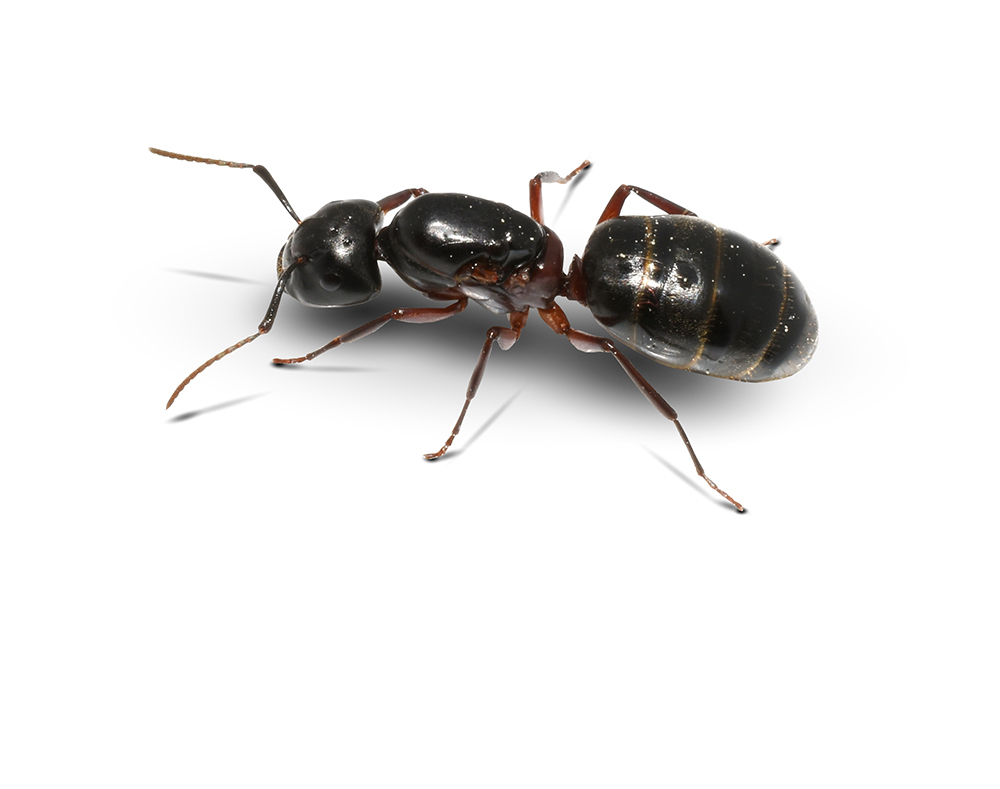
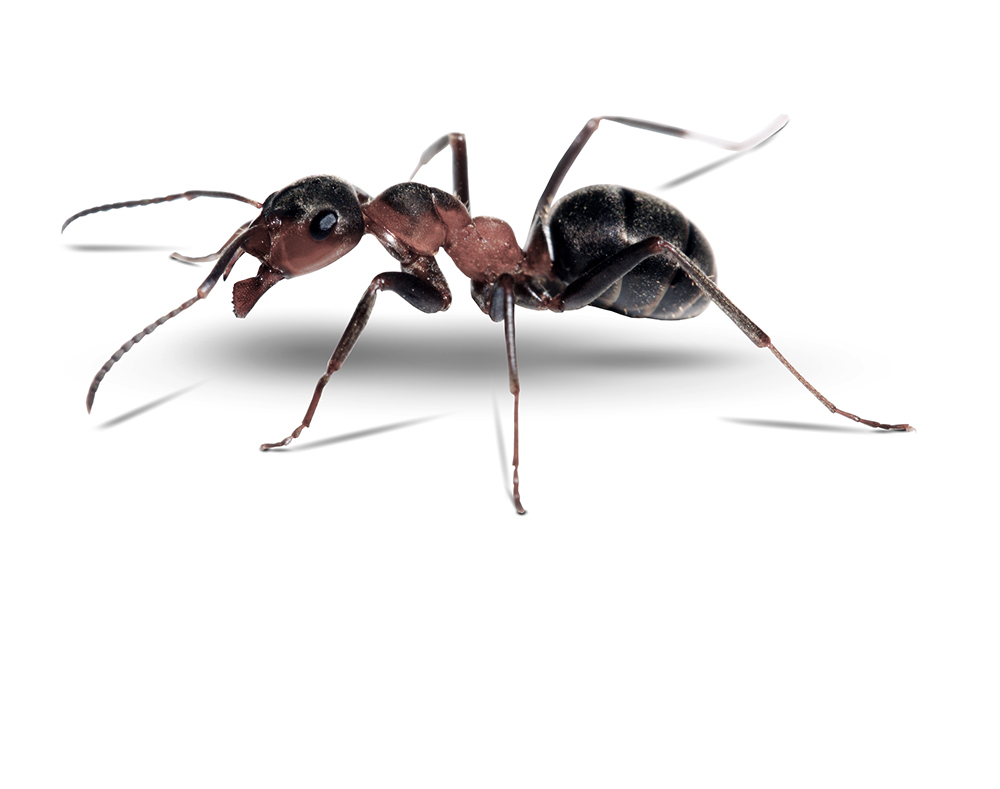
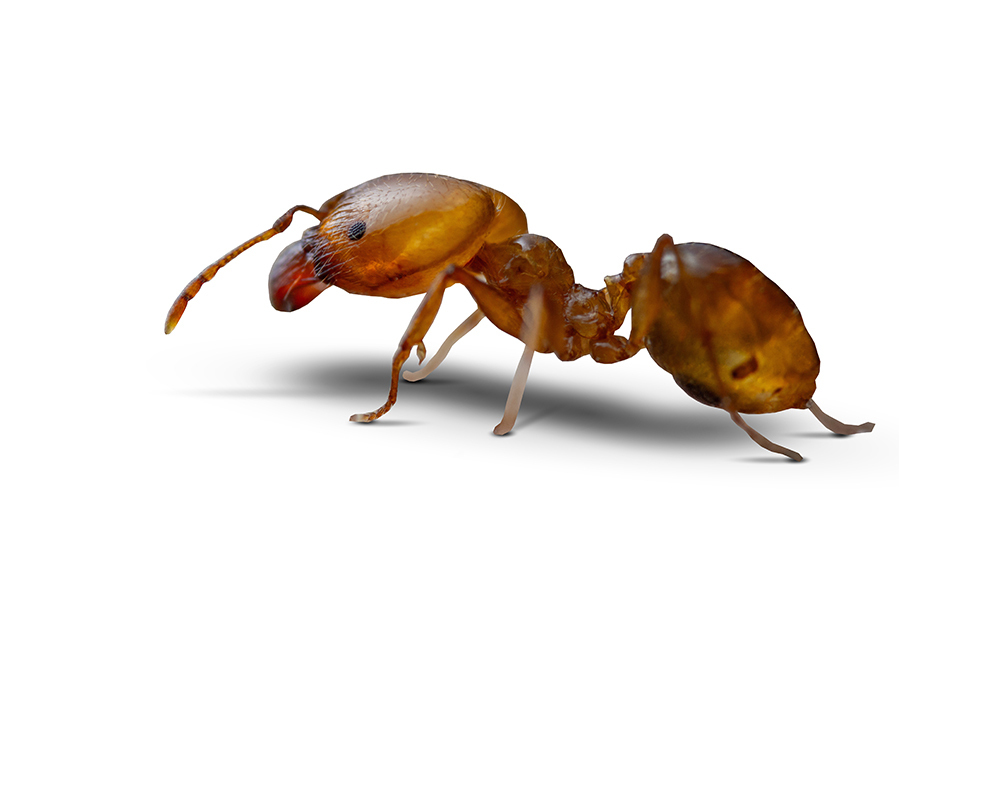
Other pests we deal with that often turn up in the same places.

Our friendly and knowledgeable team will be happy to help! Contact us to speak to a representative.
Every transaction is completely secure. We take your privacy seriously.
Pest problems wait for no one. That’s why you won’t have to wait long for us to take care of them.
We are bonded and insured to give our clients the peace of mind they deserve.
