GO! Pest Control logo
  • HOME
  • SERVICES
    • RESIDENTIAL PEST CONTROL
    • COMMERCIAL PEST CONTROL
    • PEST & WILDLIFE CONTROL
    • INSECT EXTERMINATION
    • BIRD CONTROL
    • ODOUR CONTROL SERVICES
  • AREAS WE SERVE
    • TORONTO (GTA)
    • OTTAWA (NCR)
    • HAMILTON
  • PEST ARCHIVE
    • ANTS
    • BED BUGS
    • COCROACHES
    • RODENTS
    • WILDLIFE
    • MORE PEST
  • Contact us
CALL NOW
866-467-3789
GET A FREE
ESTIMATE
CALL US NOW

Honey ants

Pest profile

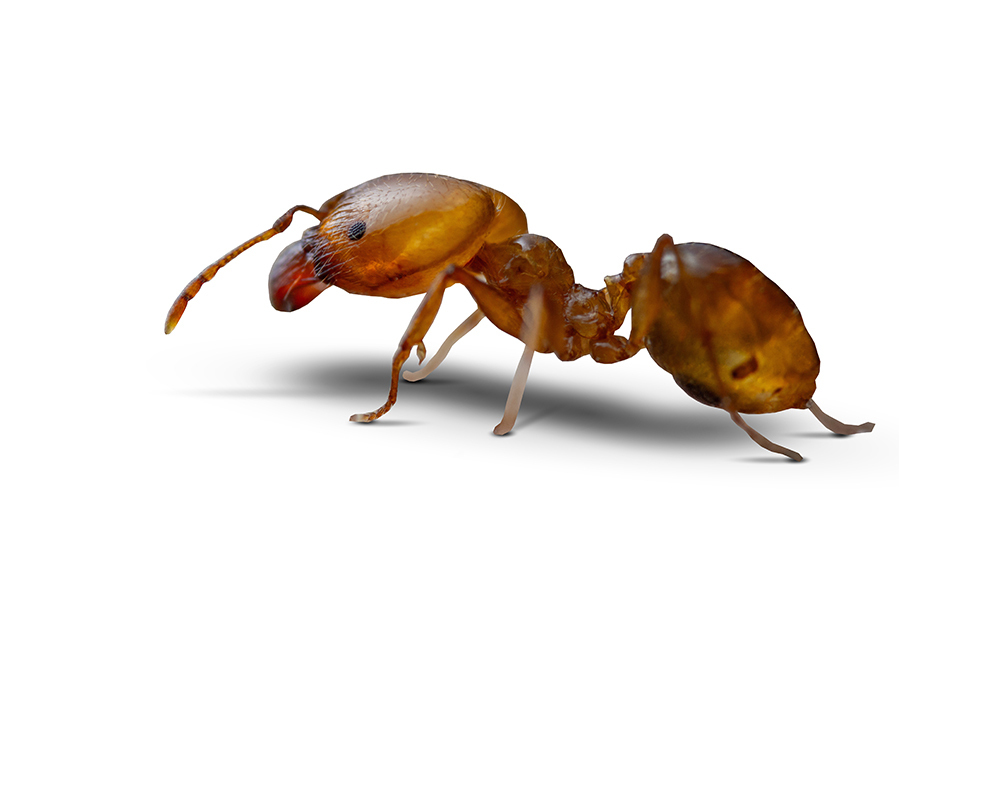
A honey ant photographed close up, used on the GO! Pest Control pest library page
Honey ant
Size: 1.5 - 3 mm
Colour: shiny black to reddish brown
Description: The Honey ant prefers to nest in clay soil and in well shaded areas. It prefers to eat sweet or decaying fruit, insects, and honeydew from aphids

What honey ants look like

Honey ants, also called false honey ants or winter ants, are 1.5 to 3 mm long and shiny, ranging from dark brown and reddish brown to almost black. They have a single node on the waist and a body that often looks slightly swollen at the rear, because foragers carry liquid sugar back to the nest in a distended crop. The other clue is timing. These ants are active in cool weather and are often the first ants you see in early spring, sometimes while there is still snow on the ground, and again in late autumn when most other ants have gone quiet. In midsummer heat they go dormant underground. Crushed workers give off a sour, slightly rotten smell rather than the coconut note of odorous house ants.

Signs you have honey ants

  • Early spring trails. Ants working in cold weather, on frosty mornings and around melting snow, when other ants are still inactive.
  • A strong pull to sweets. Activity around fruit bowls, juice spills, jam, pop cans, hummingbird feeders and fallen fruit.
  • Nests in shaded clay soil. Small soil craters in shaded lawns, under trees and along north-facing foundation walls.
  • Trails from a garden bed. Lines running from a shaded planting bed to a patio door, garage or basement window.
  • Summer disappearance. Activity stops in hot weather and then returns in the autumn, which confuses people into thinking the problem was solved.

Why honey ants come indoors

This is largely an outdoor ant. It nests deep in shaded clay soil, sometimes well over a metre down, and it lives on honeydew from aphids, plant sap and decaying fruit. It does not nest indoors in any lasting way. Workers come in to forage when a sweet source is available and the nest happens to be close to the building, which is why complaints cluster around patio doors, garage thresholds and basement windows next to shaded garden beds. Because the nest is deep and the foraging season is short, indoor numbers are usually modest and seasonal rather than a permanent infestation. They do not damage wood or structure.

How to keep honey ants out

  • Clean up fallen fruit, spilled pop and juice on decks, patios and garage floors.
  • Seal gaps at patio door thresholds, garage door seals and basement window frames.
  • Keep sweet foods, recycling and compost in closed containers, and rinse cans and bottles before storing them.
  • Manage aphids on shrubs and trees near the house, since honeydew is their main food supply.
  • Thin heavy shade and improve drainage in damp shaded beds beside the foundation where they prefer to nest.

How GO! Pest Control treats honey ants

  • Inspection. We identify the ant, follow the trail outdoors and locate the nest openings in shaded soil, mulch beds and along the foundation.
  • Treatment. We use sweet baits, which these ants take readily, and a targeted exterior application around nest sites and entry points. Deep nests can take time, so baiting is usually the main tool.
  • Follow-up. We time a return visit to their active season, since treatment applied during their midsummer dormancy gives little feedback.
  • Advice. We point out the sweet sources, aphid-covered plants and entry gaps that bring them to the door.

We are licensed, insured and bonded, and we work in homes, apartments, condos and businesses across the Toronto GTA, Ottawa and Hamilton.

Common questions about honey ants

Why are there ants in my kitchen in March?

Honey ants forage in cold weather when other ants are still dormant. Early spring activity around a sweet spill is a common reason people call about them.

Did the treatment fail if they vanish in July?

Not necessarily. These ants go dormant underground during hot weather and return in the autumn. We take that into account when timing treatment and follow-up.

Will they nest inside my walls?

It is unlikely. They nest deep in soil and are mostly an outdoor nuisance that forages indoors. Ants that clearly live in the wall are usually a different species and worth identifying properly.

Types of Ants

Click the ant type to learn what to look for and why the right treatment plan matters.
Carpenter ant
Pavement ant
Pharaoh ant

Related Pests

Other pests we deal with that often turn up in the same places.

Types of Honey ants

Subject: Honey ants

SEND A QUICK MESSAGE

ROUND-UP YOUR Honey ants PROBLEM.

We’re Standing-by to Help
18000
Satisfied clients
12
Awards in 2018, 2019, 2020
50
Years of combined experience
1000000+
Pests exterminated or relocated
AWARD-WINNING SUPPORT
Need Assistance?

Our friendly and knowledgeable team will be happy to help! Contact us to speak to a representative.

SECURED PAYMENT
Safe & easy

Every transaction is completely secure. We take your privacy seriously.

QUICK TURN-AROUND
We take fast action

Pest problems wait for no one. That’s why you won’t have to wait long for us to take care of them.

GO! PEST PROTECTION
Coverage with responsibility

We are bonded and insured to give our clients the peace of mind they deserve.

ABOUT US

GO! Pest Control logo

A team of highly trained Pest Control & Extermination experts, covering the entire Toronto GTA and Ottawa’s NCR. We take infestations as seriously as we do the environment and safety of humans & protected wildlife.

X-twitter Pinterest Youtube Instagram Linkedin

PEST ARCHIVE

  • ANTS
  • BED BUGS
  • COCKROACHES
  • RODENTS
  • WILDLIFE
  • MORE PEST
  • ANTS
  • BED BUGS
  • COCKROACHES
  • RODENTS
  • WILDLIFE
  • MORE PEST
  • ANTS
  • BED BUGS
  • COCKROACHES
  • RODENTS
  • WILDLIFE
  • MORE PEST
  • ANTS
  • BED BUGS
  • COCKROACHES
  • RODENTS
  • WILDLIFE
  • MORE PEST

OUR SERVICES

  • RESIDENTIAL PEST CONTROL
  • COMMERCIAL PEST CONTROL
  • PEST & WILDLIFE CONTROL
  • INSECT EXTERMINATION
  • BIRD CONTROL
  • RESIDENTIAL PEST CONTROL
  • COMMERCIAL PEST CONTROL
  • PEST & WILDLIFE CONTROL
  • INSECT EXTERMINATION
  • BIRD CONTROL
  • RESIDENTIAL PEST CONTROL
  • COMMERCIAL PEST CONTROL
  • PEST & WILDLIFE CONTROL
  • INSECT EXTERMINATION
  • BIRD CONTROL
  • RESIDENTIAL PEST CONTROL
  • COMMERCIAL PEST CONTROL
  • PEST & WILDLIFE CONTROL
  • INSECT EXTERMINATION
  • BIRD CONTROL

AREAS WE SERVE

  • OTTAWA (NCR)
  • TORONTO (GTA)
  • OTTAWA (NCR)
  • TORONTO (GTA)
  • OTTAWA (NCR)
  • TORONTO (GTA)
  • OTTAWA (NCR)
  • TORONTO (GTA)

GO! PEST CONTROL

  • About
  • Contact
  • Careers
  • Blog
  • Testimonials
  • About
  • Contact
  • Careers
  • Blog
  • Testimonials
  • About
  • Contact
  • Careers
  • Blog
  • Testimonials
  • About
  • Contact
  • Careers
  • Blog
  • Testimonials
  • Privacy Policy
  • Terms
  • Site Map
  • 866-806-9227
  • Privacy Policy
  • Terms
  • Site Map
  • 866-806-9227
  • Privacy Policy
  • Terms
  • Site Map
  • 866-806-9227
  • Privacy Policy
  • Terms
  • Site Map
  • 866-806-9227

© 2026 GO! Pest Control, Inc. All rights reserved.