
The herring gull is a large, heavy bodied gull of roughly 45 cm to 65 cm in length with a wingspan well over a metre. The adult has a white head and underparts, a light grey back and upper wings, and black wingtips marked with white spots. The bill is thick and yellow with a red spot near the tip of the lower mandible, and the eye is pale with a yellow ring. The legs are pink. Young birds look completely different: mottled brown all over, with a dark bill, and they take about four years to reach adult plumage. The call is the loud wailing cry people associate with waterfronts. They soar, scavenge and nest on flat open surfaces.
Once a roof is used successfully, gulls return to it in following seasons.
Herring gulls nest naturally on open ground and rocky islands, and a flat commercial roof imitates that habitat closely: open, level, protected from ground predators and often covered in gravel. Both regions sit near large water. Toronto is on Lake Ontario, Hamilton has the harbour and Ottawa has the river system, so gulls are common throughout. Food keeps them in built up areas year round. Open waste bins, dumpsters, food courts, patios, landfills, transfer stations, drive through lanes and deliberate feeding in parks all supply easy meals. Gulls are intelligent and quick to learn, so a site that once provided food or a successful nest stays on their route. Schools, malls, warehouses and apartment buildings with flat roofs see the most activity.
Gulls do not usually hurt anyone, but they can be intimidating while protecting a nest. Adults with chicks will call, swoop and dive at people who come near, which is a genuine concern around roof access points, patios and walkways. The everyday problems are property related. Droppings are corrosive and damage roof membranes, paint and metal, and they make surfaces slippery. Nest material, feathers and debris block roof drains and scuppers, which leads to ponding and leaks. Torn refuse creates litter and attracts other pests, and scavenging birds around outdoor eating areas are a hygiene concern. Accumulated droppings should be cleaned with proper protection rather than swept dry. Gulls are native birds and are protected in Canada, so the work focuses on prevention and deterrence.
Timing matters more with gulls than with almost any other bird.
We are licensed, insured and bonded, and we work in homes, apartments, condos and businesses across the Toronto GTA, Ottawa and Hamilton.
Yes. Gulls are native migratory birds and are protected, and their nests and eggs are covered by federal rules. We use humane deterrents and proofing, and any nest related work follows those rules with permits where required. We do not give legal advice.
That is nest defence. Adults with eggs or chicks dive at anyone who approaches. Keep people away from that area and arrange an assessment rather than trying to move the nest.
Not freely. Nests and eggs of protected species are subject to federal rules, and permits may be required. This is why deterrents installed before the season are the practical answer.
It depends on the roof surface, the equipment on it and how the birds use it. Wire systems, post and line and netting all have a place, and we specify after an inspection.
Yes. Droppings degrade membranes and metal, and nests and debris block drains and scuppers, which causes ponding and leaks over time.
Click the ant type to learn what to look for and why the right treatment plan matters.
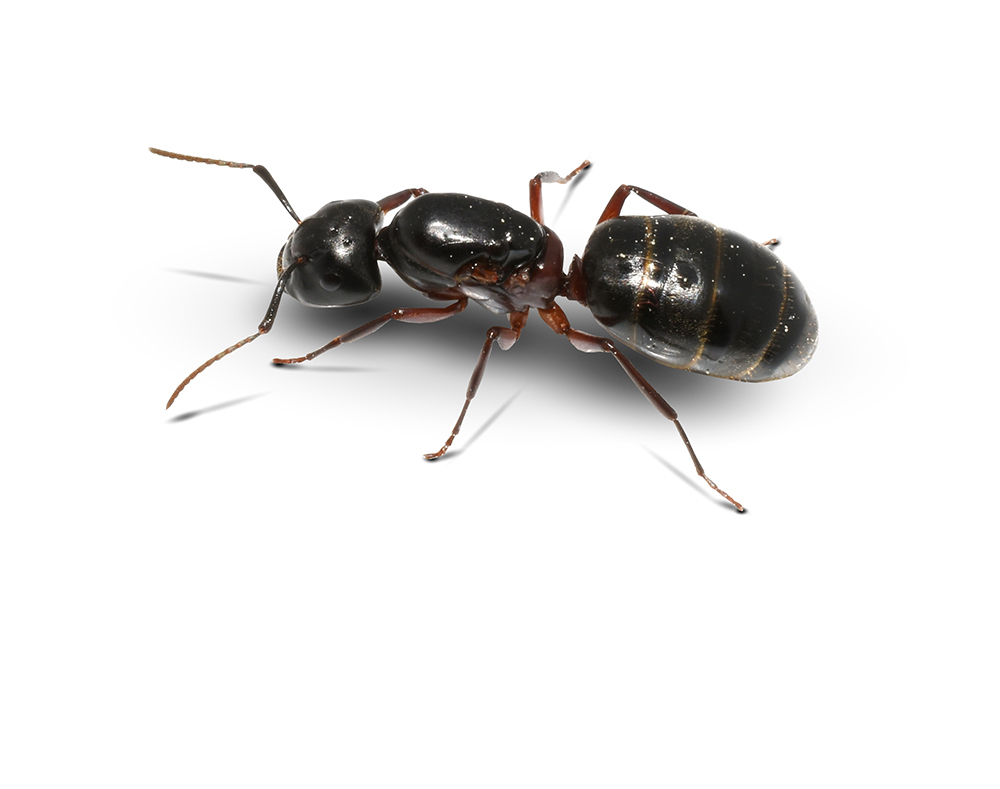
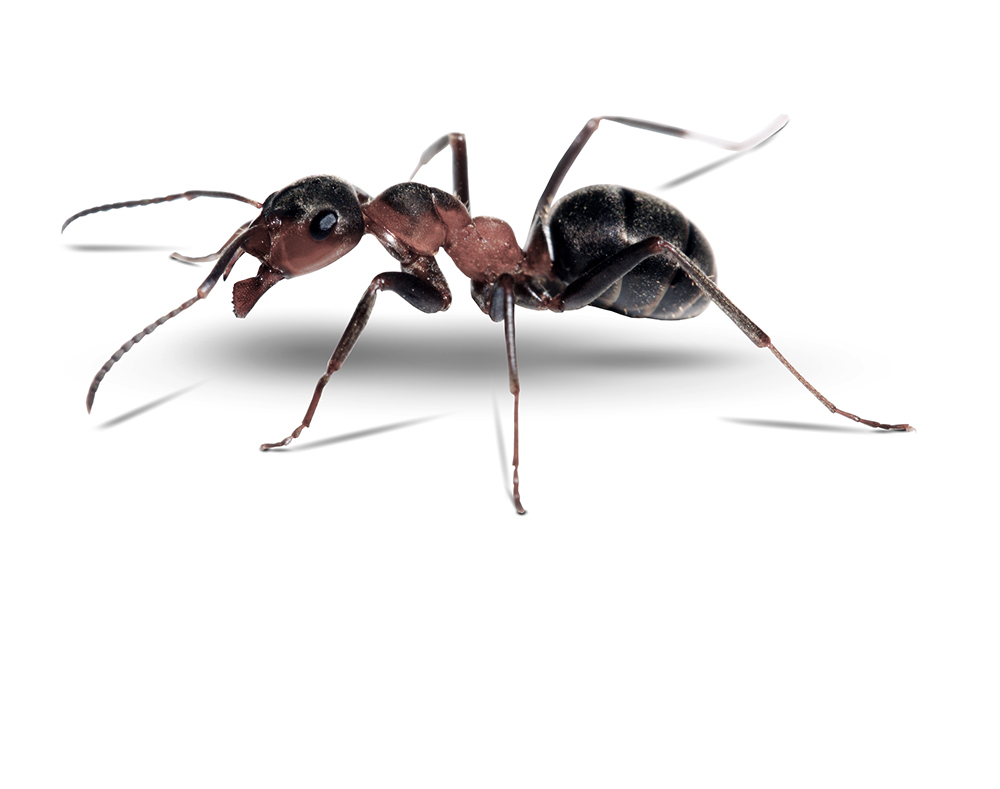
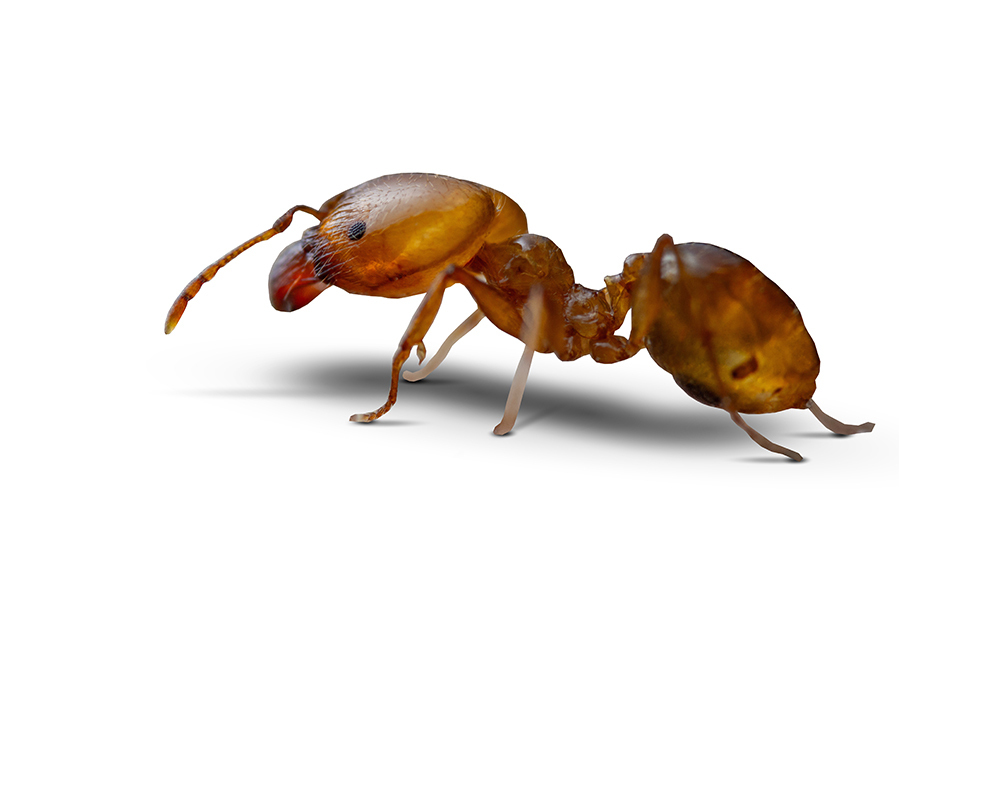
Other pests we deal with that often turn up in the same places.
Our friendly and knowledgeable team will be happy to help! Contact us to speak to a representative.
Every transaction is completely secure. We take your privacy seriously.
Pest problems wait for no one. That’s why you won’t have to wait long for us to take care of them.
We are bonded and insured to give our clients the peace of mind they deserve.
