GO! Pest Control logo
  • HOME
  • SERVICES
    • RESIDENTIAL PEST CONTROL
    • COMMERCIAL PEST CONTROL
    • PEST & WILDLIFE CONTROL
    • INSECT EXTERMINATION
    • BIRD CONTROL
    • ODOUR CONTROL SERVICES
  • AREAS WE SERVE
    • TORONTO (GTA)
    • OTTAWA (NCR)
    • HAMILTON
  • PEST ARCHIVE
    • ANTS
    • BED BUGS
    • COCROACHES
    • RODENTS
    • WILDLIFE
    • MORE PEST
  • Contact us
CALL NOW
866-467-3789
GET A FREE
ESTIMATE
CALL US NOW

Wasp

Pest profile

A wasp photographed close up, used on the GO! Pest Control pest library page
The Wasp
Size: 12-18 mm
Colour: Black And Yellow

WASPS

BY THE TIME YOU NOTICE, THEY’VE ALREADY SETTLED IN.

What wasps look like

Wasps are slender flying insects, commonly 12 to 18 mm long, with a smooth body marked in black and yellow. The waist is narrow and clearly pinched, which is the easiest way to tell a wasp from a bee. Bees look rounder and fuzzier and carry pollen on their legs. A wasp has four clear wings, long dark antennae and legs that hang down in flight. Females have a smooth stinger and can use it more than once. Several kinds are common in Ontario. Yellowjackets build hidden nests in the ground, in wall voids and under decks. Paper wasps build small open combs that hang like an upside-down umbrella under eaves. Bald-faced hornets, a type of wasp, build large grey papery nests in trees and on buildings.

Signs you have wasps

  • Steady traffic to one point. Insects flying in and out of the same gap in siding, soffit, brick or lawn mean a nest is in that void.
  • A visible nest. Open grey combs under eaves and porch ceilings, or a closed football-shaped paper nest in a tree or on a wall.
  • Insects around food outdoors. Late in the season wasps become pushy around patios, garbage bins, sweet drinks and barbecues.
  • Scratching or rustling inside a wall. A nest built in a cavity can be heard as a faint dry papery sound on quiet days.
  • Wasps appearing indoors. Insects at upstairs windows or light fixtures often mean a nest in the wall or attic has broken into the living space.
  • Chewed wood on fences and sheds. Wasps scrape thin strips from weathered wood to make nest paper, leaving pale lines on the grain.

A nest grows all summer, so early activity is easier to deal with than late activity.

Why wasps come into Ottawa and Toronto homes and businesses

Wasps want a sheltered place to build and an easy food supply, and buildings offer both. A queen starts a nest alone in spring, somewhere dry and protected from rain, and the colony grows through the summer. Soffits, attic corners, wall voids, porch ceilings, sheds, playground equipment and gaps in brick all work well. Ground-nesting yellowjackets take over old rodent burrows and gaps under patio slabs and steps. Food brings them close too. In spring and midsummer wasps hunt insects, and by late summer they switch toward sugar, which is why they crowd around garbage, fruit trees, patios and restaurant terraces in August and September.

Are wasps dangerous?

Wasps deserve respect. Unlike honey bees, a wasp can sting repeatedly, and colonies defend a nest as a group, so an accidental disturbance can bring many insects at once. Stings are painful and swell for most people. For anyone allergic to insect venom the reaction can be severe and needs immediate medical care. Nests near a doorway, deck, walkway or play area are a hazard simply because of where they sit, and mowing over a ground nest is a common way people get stung. Property damage is minor. A nest in a wall can stain drywall and leave a mess when abandoned, but wasps do not eat structural wood. Wasps also prey on caterpillars and other insects, so a nest well away from people can often be left alone.

How to keep wasps out

  • Walk the building in late spring and deal with small new nests while they are still the size of a golf ball.
  • Seal gaps in siding, soffit, vents and window frames, and repair torn screens and loose flashing.
  • Keep bins closed and clean. Rinse recycling and move garbage away from doors and patios.
  • Clear fallen fruit from the yard, and cover food and sweet drinks at outdoor meals.
  • Check the ground before yard work. Look for insects going in and out of holes in the lawn or under steps before mowing.
  • Paint or seal weathered wood on fences, sheds and railings so it is less useful as nest material.

An early season check saves far more trouble than a late one.

How GO! Pest Control treats wasps

  • Inspection. We find the nest and confirm the type of wasp, then check the roof line, walls, decks and grounds for other nests and for the routes insects use into voids.
  • Treatment. We treat the nest directly with professional equipment, working from a safe position and at a time when the colony is least active, so returning foragers are dealt with as well as the insects inside.
  • Removal. Where a nest can be safely taken down, we remove it. Nests inside a wall or void are treated in place, and we explain how to handle the cavity afterwards.
  • Follow-up. We check the site to confirm the colony is finished and treat any activity that continues, since a large nest can take a little time to go quiet.
  • Advice. We point out the openings and materials that attracted the nest, and suggest the repairs and screening that make the same spot unattractive next spring.

We are licensed, insured and bonded, and we work in homes, apartments, condos and businesses across the Toronto GTA, Ottawa and Hamilton.

Common questions about wasps

How do I tell a wasp from a bee?

Look at the waist and the coat. Wasps are smooth and shiny with a sharply pinched waist. Bees are rounder, hairier and duller, and they carry pollen. Bees matter as pollinators, so identification is worth getting right before anything is treated.

Can I spray a nest myself?

It is a common way people get stung. Aerosol cans do not reach deep into a wall or ground nest, and a partial treatment makes the colony defensive. Nests above head height, in voids or near an entrance are best left to someone with proper equipment.

Why are wasps worse in late summer?

The colony is at its largest by August, and the insects switch from hunting prey to seeking sugar. That is what brings them onto patios, into garbage and around fruit, even though the nest has been there since spring.

Will an old nest be reused next year?

Generally not. Ontario colonies die off over winter and new queens start fresh nests in spring. The site itself is often used again, because it was sheltered enough to work the first time, so sealing the area is worthwhile.

Wasps are getting into an upstairs room. Why?

Usually a nest in the wall or attic has opened into the interior through a light fixture, a vent or a gap around trim. Sealing the indoor gap will not fix it, since the colony is still in the cavity.

Types of Ants

Click the ant type to learn what to look for and why the right treatment plan matters.
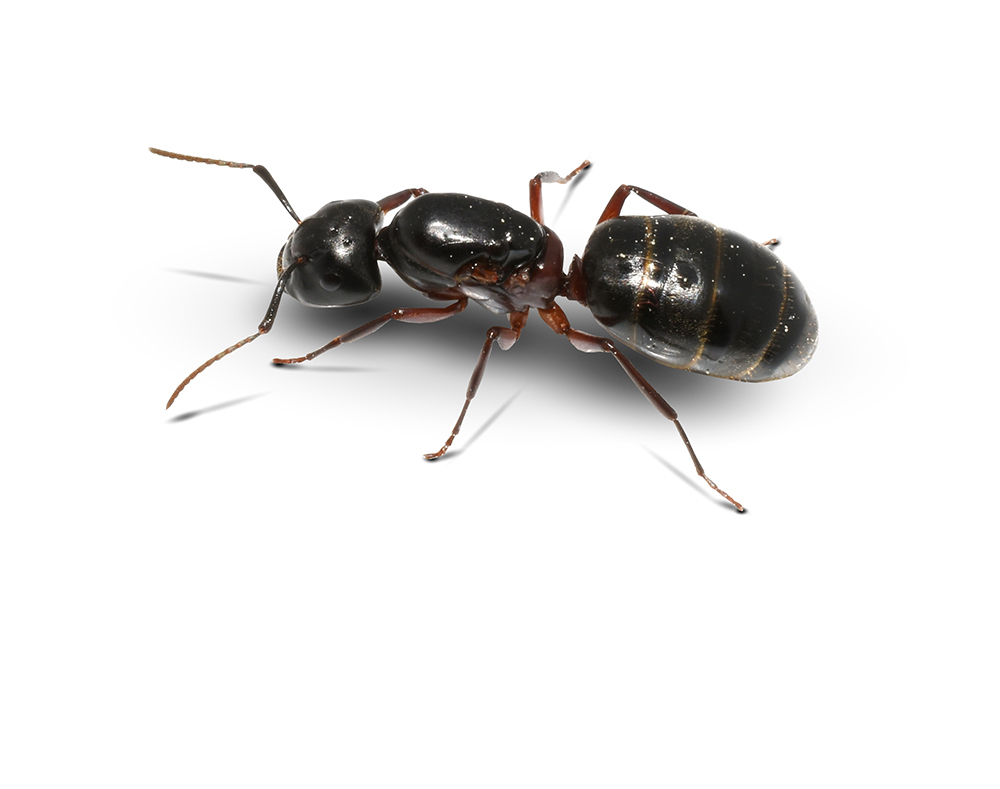
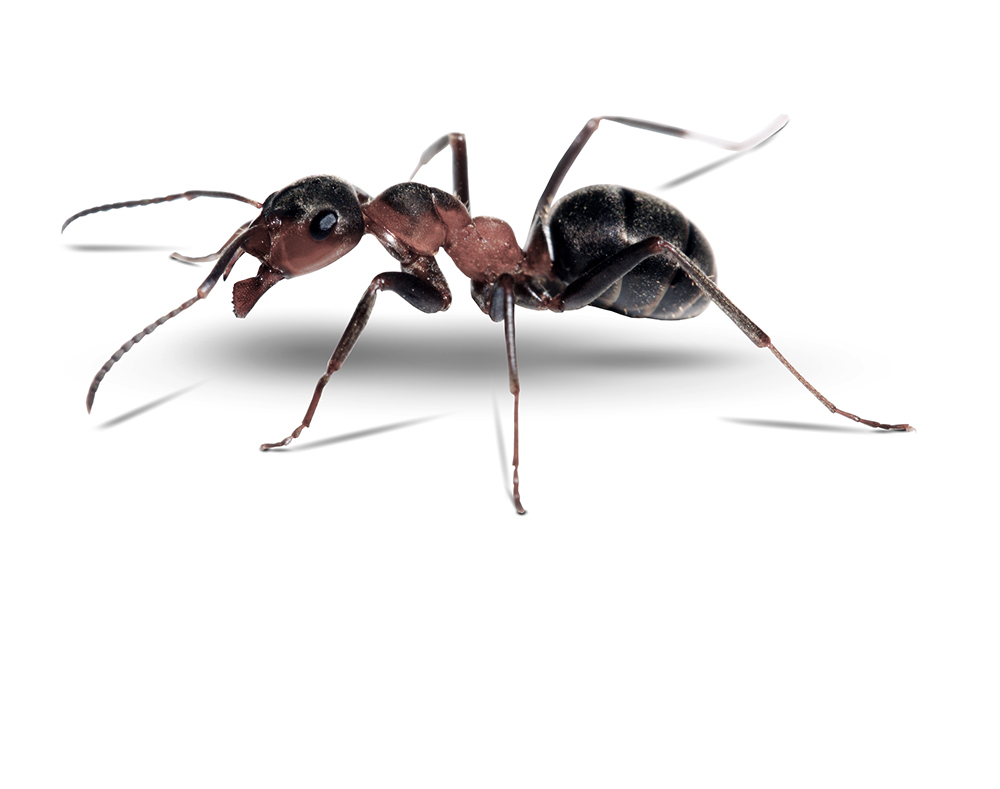
Carpenter ant
Pavement ant
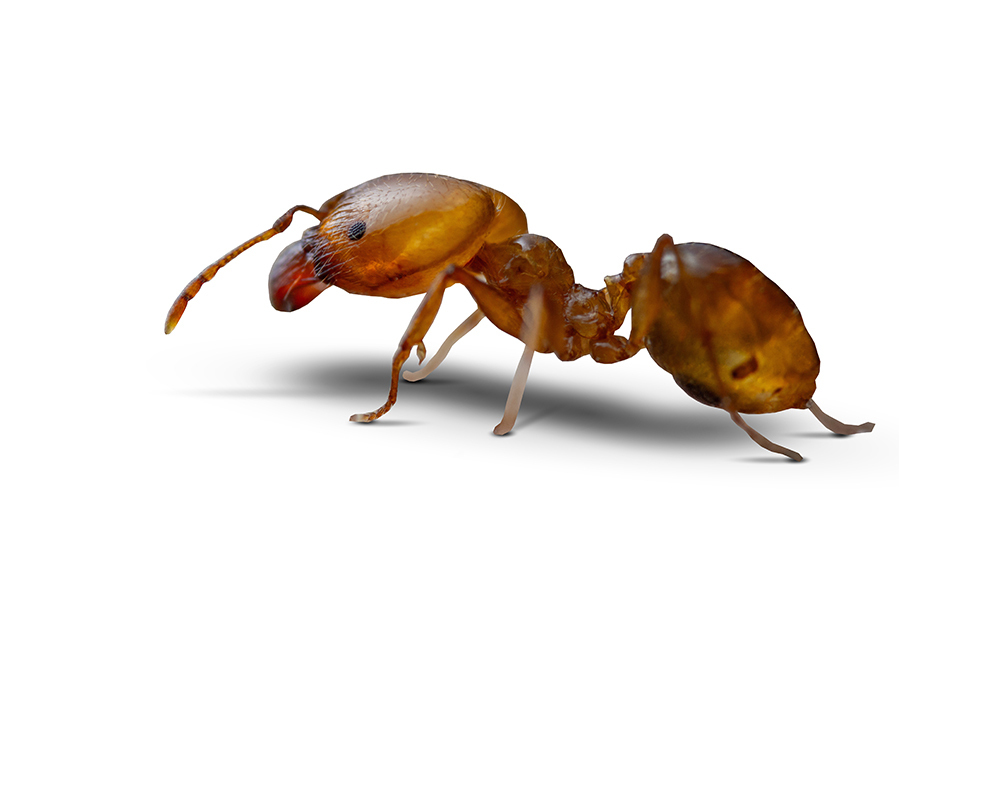
Pharaoh ant

Related Pests

Other pests we deal with that often turn up in the same places.

Types of Wasp
Wasp

Subject: Wasp

SEND A QUICK MESSAGE

ROUND-UP YOUR Wasp PROBLEM.

We’re Standing-by to Help
18000
Satisfied clients
12
Awards in 2018, 2019, 2020
50
Years of combined experience
1000000+
Pests exterminated or relocated
AWARD-WINNING SUPPORT
Need Assistance?

Our friendly and knowledgeable team will be happy to help! Contact us to speak to a representative.

SECURED PAYMENT
Safe & easy

Every transaction is completely secure. We take your privacy seriously.

QUICK TURN-AROUND
We take fast action

Pest problems wait for no one. That’s why you won’t have to wait long for us to take care of them.

GO! PEST PROTECTION
Coverage with responsibility

We are bonded and insured to give our clients the peace of mind they deserve.

ABOUT US

GO! Pest Control logo

A team of highly trained Pest Control & Extermination experts, covering the entire Toronto GTA and Ottawa’s NCR. We take infestations as seriously as we do the environment and safety of humans & protected wildlife.

X-twitter Pinterest Youtube Instagram Linkedin

PEST ARCHIVE

  • ANTS
  • BED BUGS
  • COCKROACHES
  • RODENTS
  • WILDLIFE
  • MORE PEST
  • ANTS
  • BED BUGS
  • COCKROACHES
  • RODENTS
  • WILDLIFE
  • MORE PEST
  • ANTS
  • BED BUGS
  • COCKROACHES
  • RODENTS
  • WILDLIFE
  • MORE PEST
  • ANTS
  • BED BUGS
  • COCKROACHES
  • RODENTS
  • WILDLIFE
  • MORE PEST

OUR SERVICES

  • RESIDENTIAL PEST CONTROL
  • COMMERCIAL PEST CONTROL
  • PEST & WILDLIFE CONTROL
  • INSECT EXTERMINATION
  • BIRD CONTROL
  • RESIDENTIAL PEST CONTROL
  • COMMERCIAL PEST CONTROL
  • PEST & WILDLIFE CONTROL
  • INSECT EXTERMINATION
  • BIRD CONTROL
  • RESIDENTIAL PEST CONTROL
  • COMMERCIAL PEST CONTROL
  • PEST & WILDLIFE CONTROL
  • INSECT EXTERMINATION
  • BIRD CONTROL
  • RESIDENTIAL PEST CONTROL
  • COMMERCIAL PEST CONTROL
  • PEST & WILDLIFE CONTROL
  • INSECT EXTERMINATION
  • BIRD CONTROL

AREAS WE SERVE

  • OTTAWA (NCR)
  • TORONTO (GTA)
  • OTTAWA (NCR)
  • TORONTO (GTA)
  • OTTAWA (NCR)
  • TORONTO (GTA)
  • OTTAWA (NCR)
  • TORONTO (GTA)

GO! PEST CONTROL

  • About
  • Contact
  • Careers
  • Blog
  • Testimonials
  • About
  • Contact
  • Careers
  • Blog
  • Testimonials
  • About
  • Contact
  • Careers
  • Blog
  • Testimonials
  • About
  • Contact
  • Careers
  • Blog
  • Testimonials
  • Privacy Policy
  • Terms
  • Site Map
  • 866-806-9227
  • Privacy Policy
  • Terms
  • Site Map
  • 866-806-9227
  • Privacy Policy
  • Terms
  • Site Map
  • 866-806-9227
  • Privacy Policy
  • Terms
  • Site Map
  • 866-806-9227

© 2026 GO! Pest Control, Inc. All rights reserved.