
Stink bugs belong to the family Pentatomidae, and the name comes from their shape as much as their smell. The body is a broad shield, roughly 12 mm to 17 mm long, widest at the shoulders and tapering to a point at the back. The brown marmorated stink bug, the one most often found in Ontario buildings, is mottled brown and grey with alternating light and dark bands along the outer edge of the abdomen and two pale bands on each antenna. Native green stink bugs are bright grass green and rounder. All of them have piercing mouthparts folded under the head for feeding on plants, and scent glands on the underside that release a strong odour when the insect is crushed, squashed or handled roughly.
Most people notice them twice: in the autumn rush indoors and again in spring when they leave.
The brown marmorated stink bug is an introduced species from Asia that has spread through southern Ontario and into the Ottawa region. It feeds on a very wide range of plants, so gardens, orchards, hedgerows, ornamental trees and field crops all support it through the summer. In late August and September, shortening days drive the adults to look for a sheltered place to spend the winter. In nature that would be under bark or in rock crevices. A heated building on a sunny lot is better, so they land on warm walls in the afternoon and crawl into any gap they find. Once inside a wall void or attic they stay dormant until warmth, either a mild spell or indoor heating, brings them out.
To people, no, and it is worth saying plainly. Stink bugs do not bite or sting, they do not carry disease, they do not feed on people or pets, and they will not chew wood, wiring, fabric or stored food. They do not breed inside buildings either, so the ones indoors in January came in last autumn rather than hatching in your wall. The real problems are the smell and the numbers. Crushing them releases an odour that lingers on skin, cloth and vacuum bags, and a large overwintering group can produce a steady trickle of insects indoors all winter. Outdoors they are a genuine agricultural and garden pest, damaging fruit and vegetables by feeding on them. Treat them as a nuisance rather than a hazard.
Exclusion in late summer beats any attempt to chase them indoors in December.
We are licensed, insured and bonded, and we work in homes, apartments, condos and businesses across the Toronto GTA, Ottawa and Hamilton.
No. They have mouthparts built for piercing plants, not skin. They do not sting, do not feed on blood and do not carry disease. The odour is the only real unpleasantness.
Adults that entered in the autumn are dormant in wall voids and attics. Warm spells and indoor heating rouse them, and they move toward light and living space a few at a time.
Rarely. Indoor spraying does not reach insects hidden in voids and can leave dead bugs that attract other pests. Exterior treatment and sealing the entry points work far better.
No. They need host plants to feed and lay eggs on. Indoor stink bugs are overwintering adults waiting for spring, not a growing population.
Vacuum them and empty the container outdoors, or sweep them into a sealed bag. Avoid crushing them, since the odour clings to surfaces and fabric.
Click the ant type to learn what to look for and why the right treatment plan matters.
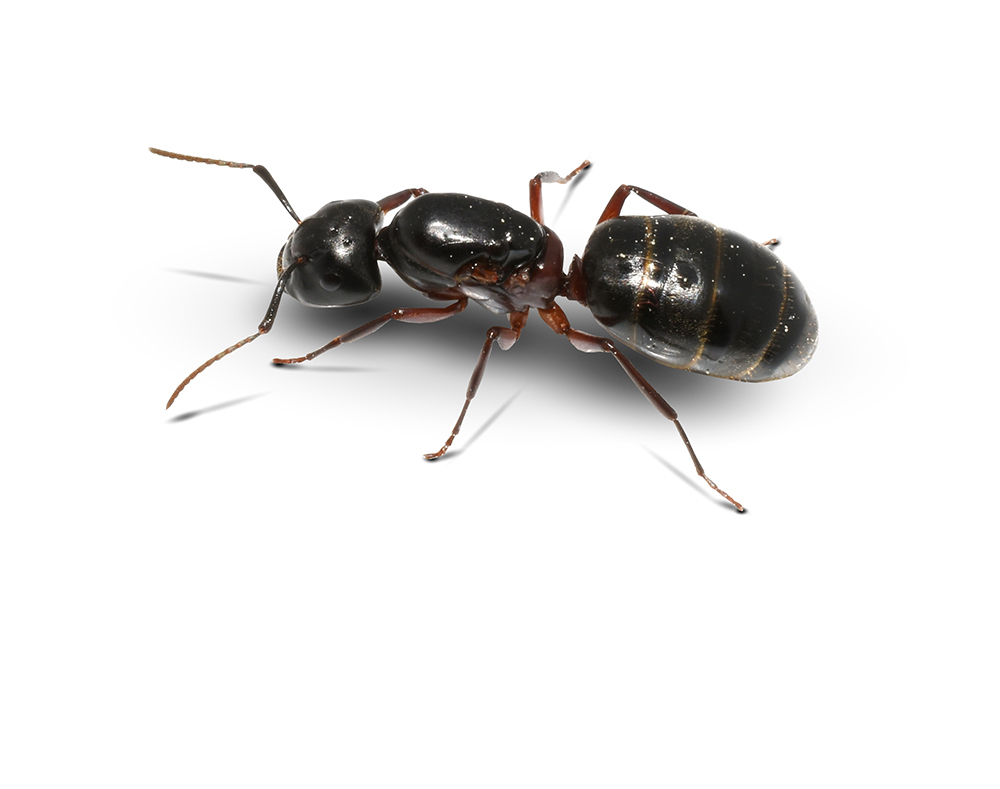
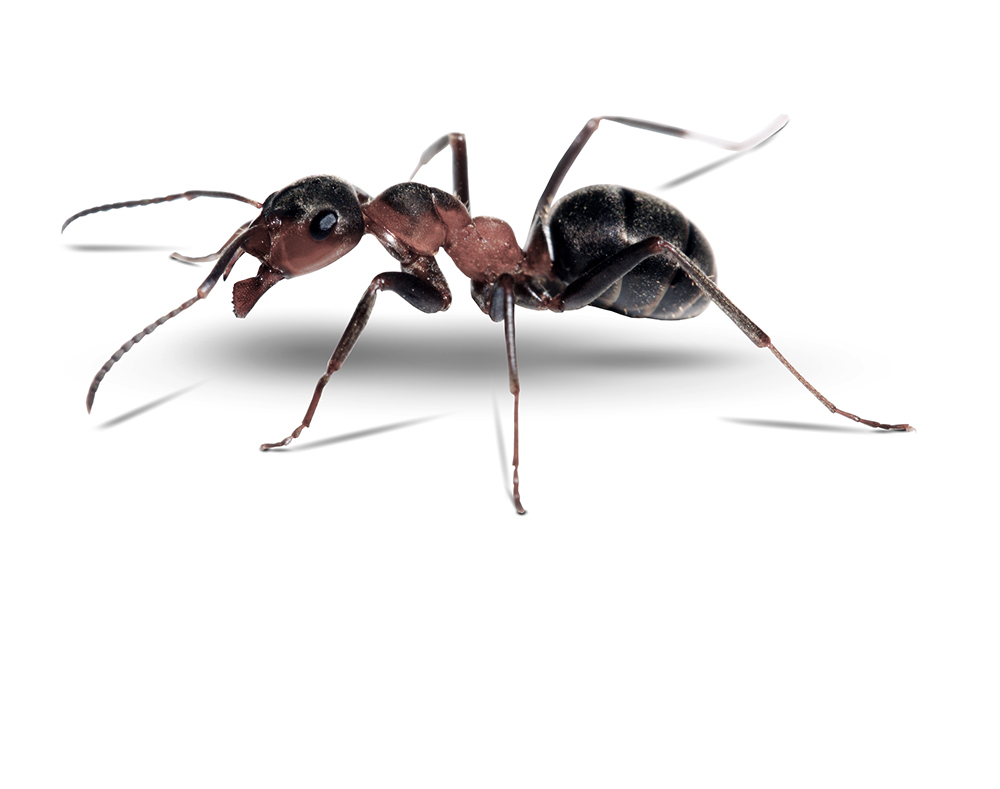
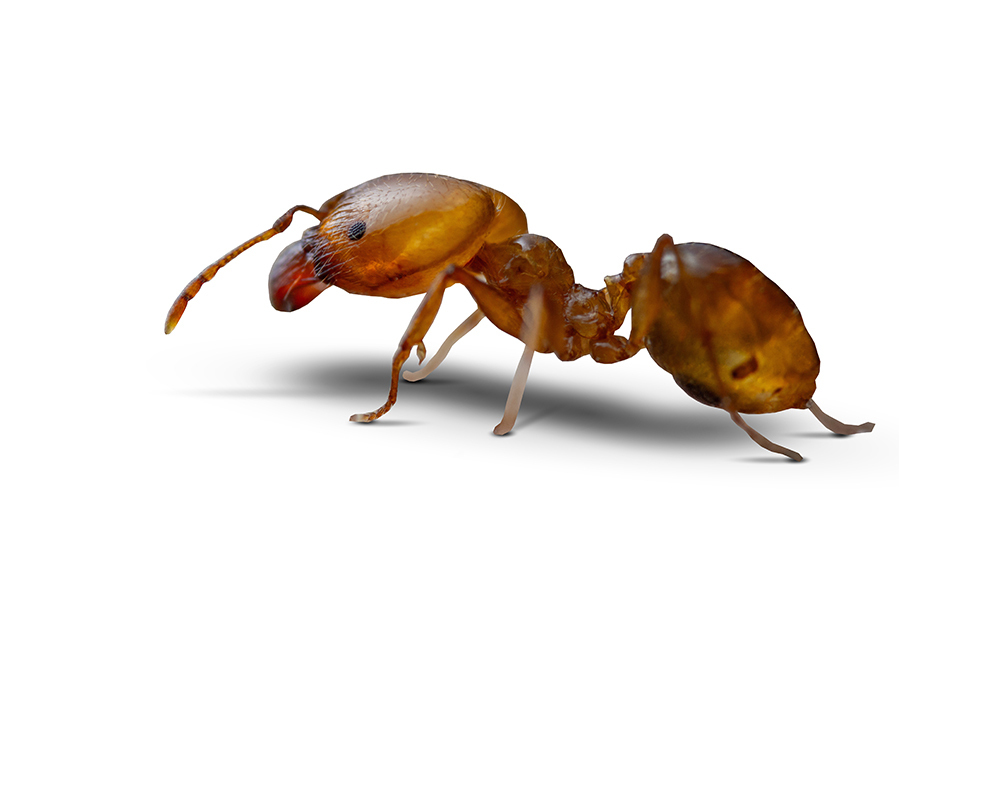
Other pests we deal with that often turn up in the same places.

Our friendly and knowledgeable team will be happy to help! Contact us to speak to a representative.
Every transaction is completely secure. We take your privacy seriously.
Pest problems wait for no one. That’s why you won’t have to wait long for us to take care of them.
We are bonded and insured to give our clients the peace of mind they deserve.
