
Grey squirrels are medium-sized rodents, about 43 to 50 cm long including the tail and weighing roughly 400 to 700 g. Despite the name, the coat can be grey, black or reddish, and black individuals are common across much of Ontario. The body is slim, the snout is rounded, the ears are short and the tail is long and bushy, carried in a curve over the back. Squirrels have sharp curved claws for climbing and very good eyesight. Unlike most building pests, they are active in daylight, particularly in the first hours after sunrise and again in late afternoon. Red squirrels are smaller and noisier, and flying squirrels are smaller again, mostly nocturnal, and glide between trees rather than truly flying.
Noise that follows a daily rhythm is usually a squirrel rather than a rodent.
A squirrel wants a dry, sheltered, elevated place to nest, and an attic is better than any tree cavity. Mature neighbourhoods with big trees, plenty of bird feeders and easy access to roofs are ideal. Overhanging branches, fences, downspouts, brick corners and hydro lines all act as bridges to the roof, and from there a squirrel only needs a weak spot. Soffit joints, roof vents, gable vents, chimneys and rotted fascia are the usual points of entry, and a squirrel will enlarge a small gap by gnawing. Interest in attics peaks around the two breeding periods, in late winter and again in late summer, when females look for somewhere safe to raise young. Food is easy to find nearby in feeders, gardens, nut trees and green bins.
Squirrels are not aggressive toward people and rarely bite unless handled or cornered, so the direct health risk is low. They can carry fleas, ticks and mites, and droppings and urine in insulation create a mess that is unpleasant to breathe around and should be cleaned up carefully. The real concern is damage to the building. Squirrels gnaw constantly, and chewed electrical wiring in an attic is a recognised fire hazard. They also tear up insulation for nesting, chew through vent ducting, damage soffit, fascia and roof sheathing, and let water in through the openings they make. An animal that gets into a chimney or wall cavity and cannot get out will die there, which brings odour and flies. Treat squirrels as a property problem first.
A squirrel can enlarge a small gap quickly, so nothing at the roof line should be left loose.
We are licensed, insured and bonded, and we work in homes, apartments, condos and businesses across the Toronto GTA, Ottawa and Hamilton.
Listen to the timing and the weight. Squirrels are noisy in daylight, especially early morning and late afternoon, and the sound is heavier and faster. Mice are quiet, light and mostly active after dark.
We check for young before sealing anything. Where a litter is found, the work is planned so the mother can relocate her young herself or the family is reunited outside. Sealing young inside causes odour and further damage and is not acceptable.
It is risky. If one animal or a litter is still inside, it will chew a new opening or die in the structure. The correct order is a one-way door first, confirmation the attic is empty, then permanent sealing.
Yes, if there has been activity for any length of time. Squirrels gnaw cable sheathing, and exposed wiring in an attic is a fire risk. Have an electrician look at anything that appears chewed.
Usually access and opportunity. A branch or line reaching the roof, plus one weak vent, soffit joint or patch of soft wood, is all it takes. Fixing both the route and the opening is what keeps the next one out.
Click the ant type to learn what to look for and why the right treatment plan matters.
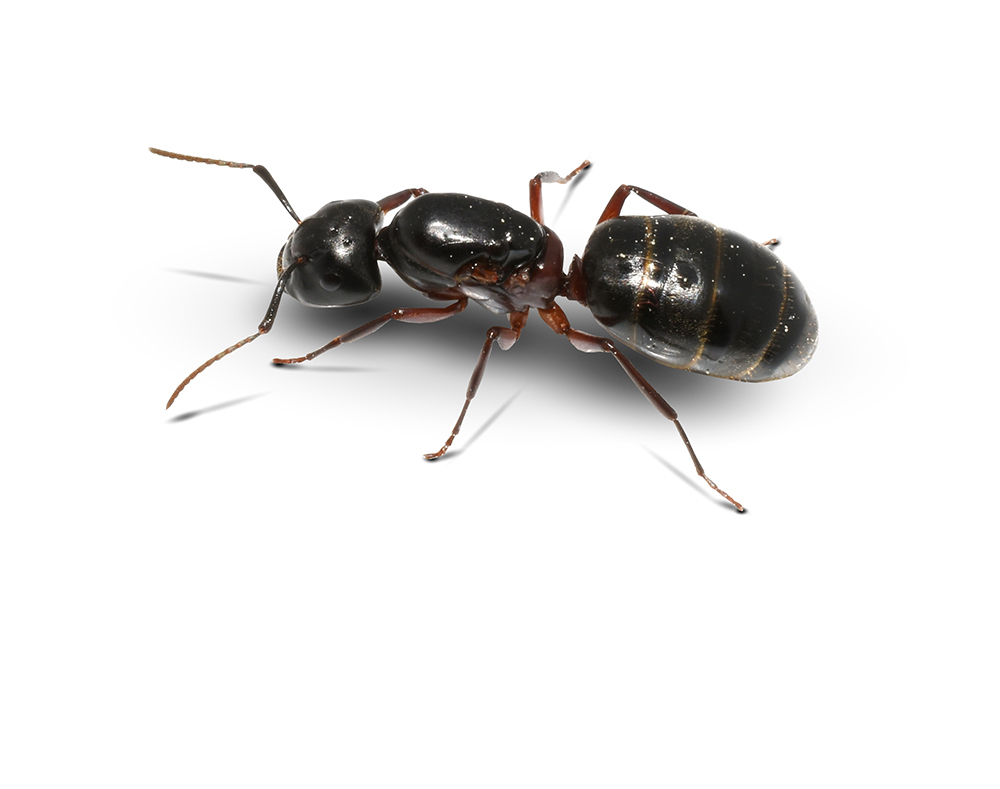
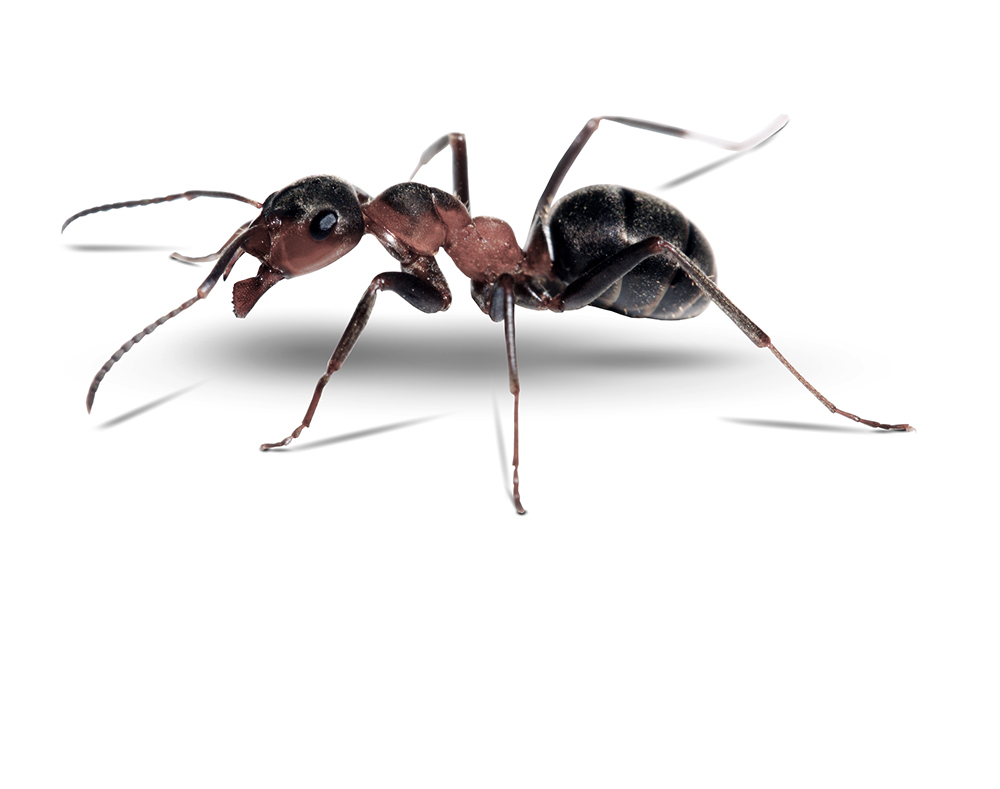
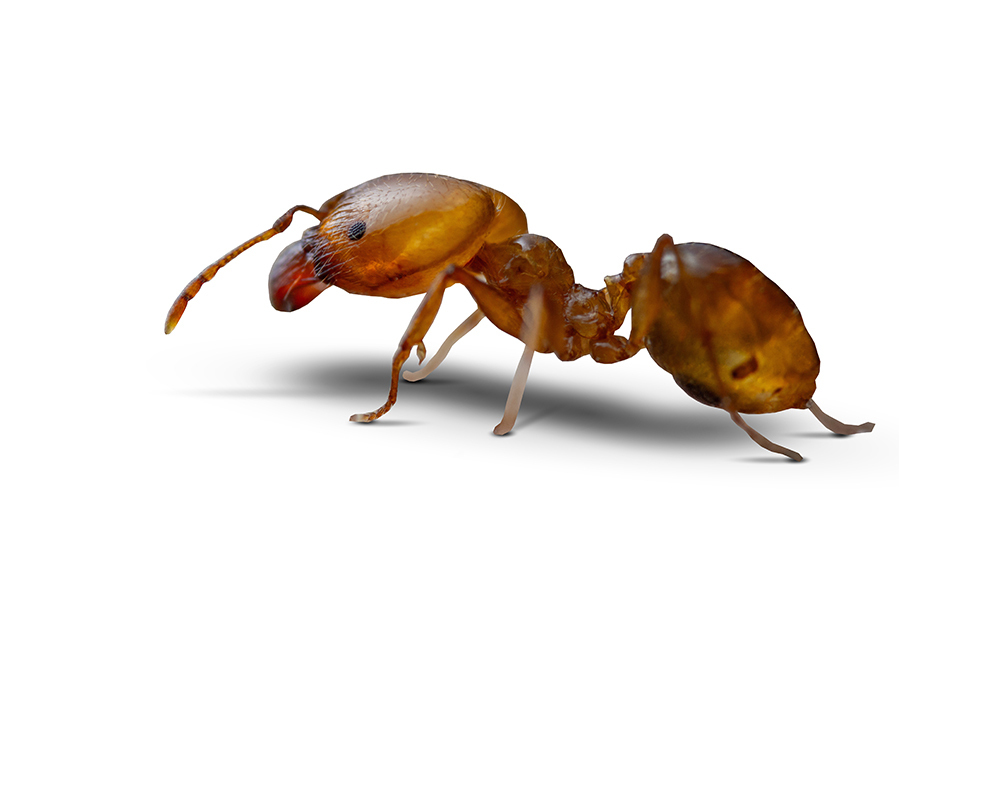
Other pests we deal with that often turn up in the same places.

Our friendly and knowledgeable team will be happy to help! Contact us to speak to a representative.
Every transaction is completely secure. We take your privacy seriously.
Pest problems wait for no one. That’s why you won’t have to wait long for us to take care of them.
We are bonded and insured to give our clients the peace of mind they deserve.
