
Spiders are not insects. They have eight legs instead of six, two body sections rather than three, no wings and no antennae, and most have several pairs of small eyes set in a group at the front. Size, colour and shape vary enormously between the species found in Ontario homes. Cellar spiders are pale and delicate with very long thin legs and hang in loose webs in basements and garages. House spiders are small, brownish and build tangled webs in ceiling corners. Wolf spiders are larger, hairy and greyish brown, hunt on the ground rather than in a web, and often turn up on basement floors. Orb weavers spin the neat circular webs seen on porches and fences in late summer. Young spiders look like miniature adults.
Spider numbers usually track the insect supply, so the two go together.
Spiders are predators, so they go where the food is. Exterior lights that draw flies and moths all evening create a reliable hunting ground, which is why webs build up around porch lights, doorways, soffits and window frames. Indoors, spiders concentrate in the quiet places where insects gather and people rarely go, such as basements, crawl spaces, garages, sheds, attics and storage rooms. Moisture matters for some species, which is why damp cellars suit cellar spiders and wolf spiders. Numbers become noticeable in late summer and autumn, partly because the spiders that hatched in spring are now full size and partly because cooler weather pushes outdoor species toward shelter. Boxes, firewood, plants and outdoor furniture brought inside carry spiders and egg sacs with them.
For the most part, no, and it is worth saying that plainly. The spiders normally found in Ontario homes are not aggressive, they avoid people, and they are not capable of causing serious harm. Bites are uncommon, generally happen only when a spider is pressed against skin, and usually amount to a small red mark that clears up on its own. Any bite that becomes badly swollen, spreading or painful should be seen by a doctor, as with any wound. Spiders cause no damage to the structure of a building. They do not chew wood, wiring or fabric, and they do not contaminate food. The practical complaints are cosmetic, since webs and egg sacs look untidy on ceilings, soffits and storefronts. Spiders also eat a steady supply of flies, mosquitoes and other pests.
Control the insect supply and the spider numbers usually follow.
We are licensed, insured and bonded, and we work in homes, apartments, condos and businesses across the Toronto GTA, Ottawa and Hamilton.
The spiders commonly found in and around homes here are harmless to people. They avoid contact and bite only when trapped against skin. If you are ever unsure what you are looking at, take a photo and we can help identify it.
Spiders that hatched in spring reach full size by late summer, so they are simply more visible. Cooler nights also move outdoor species toward shelter, and males wander more while looking for mates.
Yes. Removing webs and egg sacs takes away established hunting sites and the next generation with them. Done regularly on soffits, porches and basement corners, it makes a noticeable difference alongside treatment.
Spiders come from outside, so pressure returns with the seasons and with the insect supply. Treatment plus web removal knocks the numbers down, and sealing, lighting and moisture changes are what keep them low.
It usually points to dampness and a steady insect supply rather than to the spiders themselves. Drying the space out, reducing clutter and sealing the entry points addresses the cause.
Click the ant type to learn what to look for and why the right treatment plan matters.
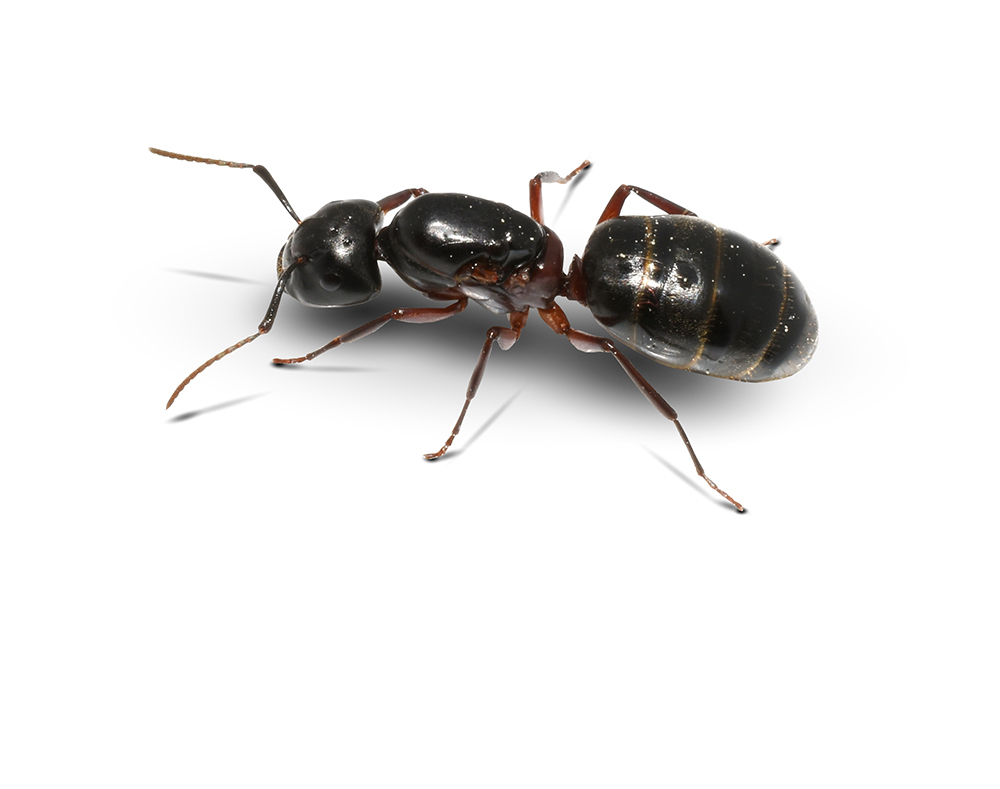
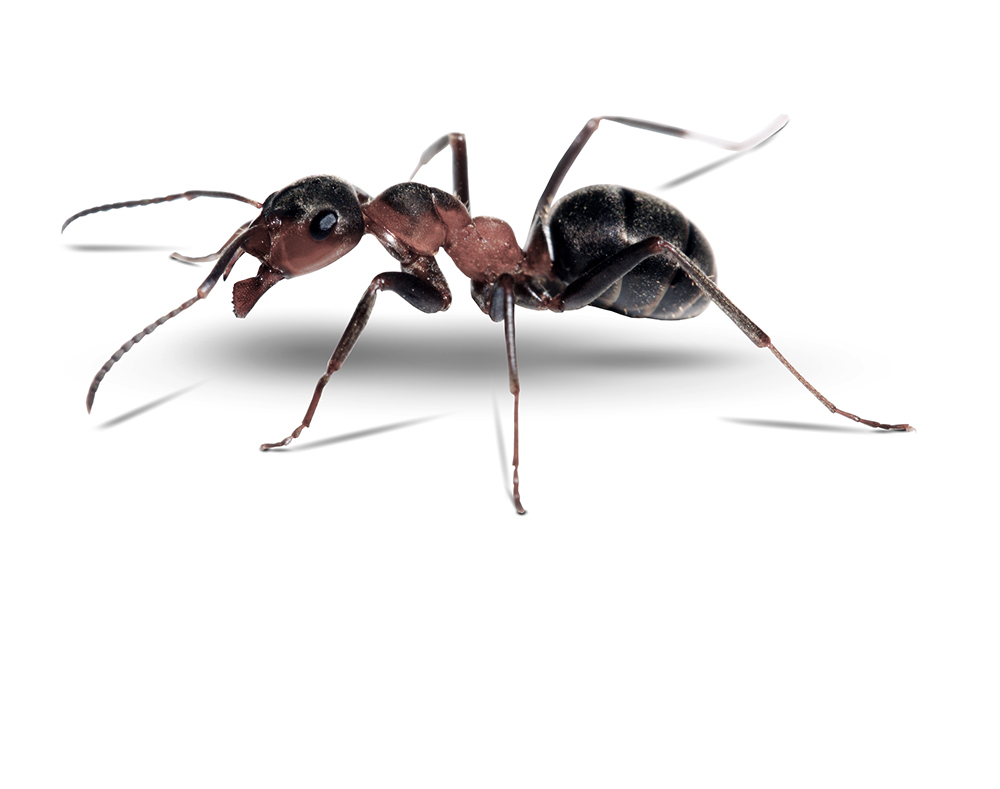
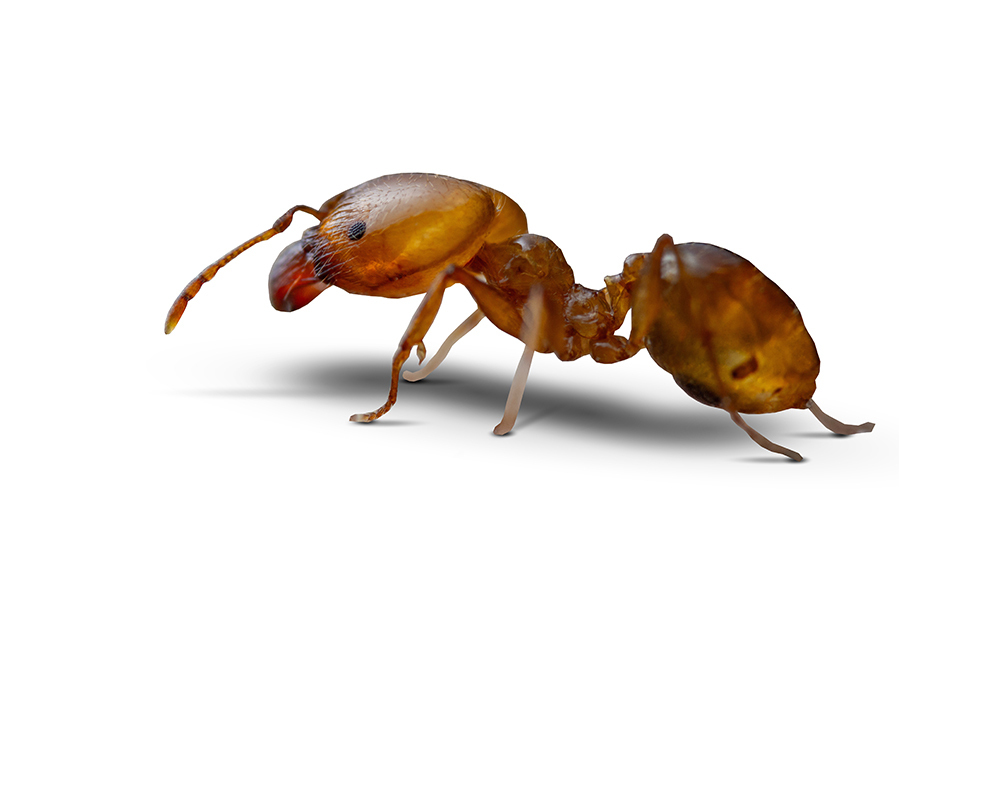
Other pests we deal with that often turn up in the same places.

Our friendly and knowledgeable team will be happy to help! Contact us to speak to a representative.
Every transaction is completely secure. We take your privacy seriously.
Pest problems wait for no one. That’s why you won’t have to wait long for us to take care of them.
We are bonded and insured to give our clients the peace of mind they deserve.
