
The striped skunk is a low, heavy-bodied animal about the size of a house cat, roughly 52 to 80 cm long including the tail and weighing between 2.7 and 6.3 kg. The coat is glossy black with a white patch on the head that splits into two broad white stripes running down the back, and the pattern varies a good deal between individuals. The tail is long and bushy with white hairs mixed through it. Skunks have short legs, a small pointed face and long front claws built for digging, which is how they open up lawns and burrow under structures. They walk with a slow waddle and do not climb well. Skunks are active mostly at night and are not true hibernators, though they stay in the den through the coldest stretches of winter.
Digging and odour together usually mean a den rather than a passing animal.
Skunks are not trying to get inside the living space. What they want is a dark, dry, protected cavity to den in, and the spaces under decks, porches, sheds, front steps, hot tubs and additions are ideal. A gap beside a foundation or an old groundhog burrow will do just as well. Food keeps them in the neighbourhood. Skunks eat insects, grubs, worms, mice, eggs, fruit and whatever they find in garbage, compost, green bins and pet dishes, and a lawn with a healthy grub population is a reliable feeding ground. Dens are used most heavily in late winter and spring, when females give birth, and again in autumn as animals settle in for the cold months. Once a den is established, the same site tends to be reused.
Skunks are mild-tempered and slow to spray. They give clear warnings first, stamping their front feet, hissing and raising the tail, and they would rather leave than fight. The spray is not dangerous in itself but is painful in the eyes, and it lingers in fur, fabric and building materials for a long time. The health concern is rabies, since skunks are among the wildlife species in Ontario that can carry it, so an animal that is out in daylight and acting oddly should be left alone and reported. They also carry fleas and ticks that can move into the yard or onto pets. Property damage is mostly digging. Burrows under steps, slabs and decks can undermine footings over time, and lawn damage from grub hunting can be extensive.
Screening the cavities before spring is far easier than dealing with a den later.
We are licensed, insured and bonded, and we work in homes, apartments, condos and businesses across the Toronto GTA, Ottawa and Hamilton.
Only if it feels cornered, and it will warn you first by stamping, hissing and lifting its tail. Back away slowly and give it room. Skunks do not chase people and would rather avoid the encounter.
Not while an animal is in there. Filling a burrow can trap a skunk or a litter underneath, and the adult will simply dig a new entrance. The opening is closed only after the den is confirmed empty.
Often yes. Skunks dig cone-shaped divots and flip sod while hunting grubs, usually in spring and autumn. Dealing with the grubs removes the reason they keep returning to that lawn.
Keep the dog outside or in an easily cleaned room, rinse the eyes with water and treat the coat with a de-skunking product rather than water alone, which spreads the oil. Your veterinarian can advise if the eyes are badly affected.
Odour travels through foundation cracks, floor drains and crawl space vents from a den outside the wall. Finding and closing the den usually solves it.
Click the ant type to learn what to look for and why the right treatment plan matters.
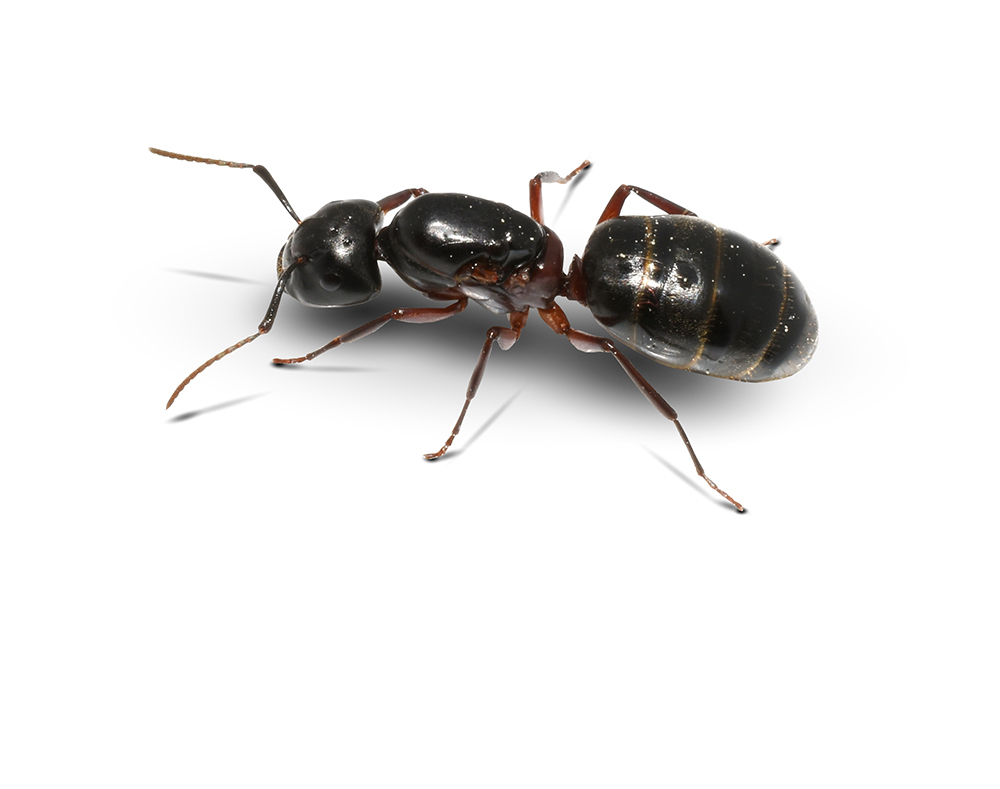
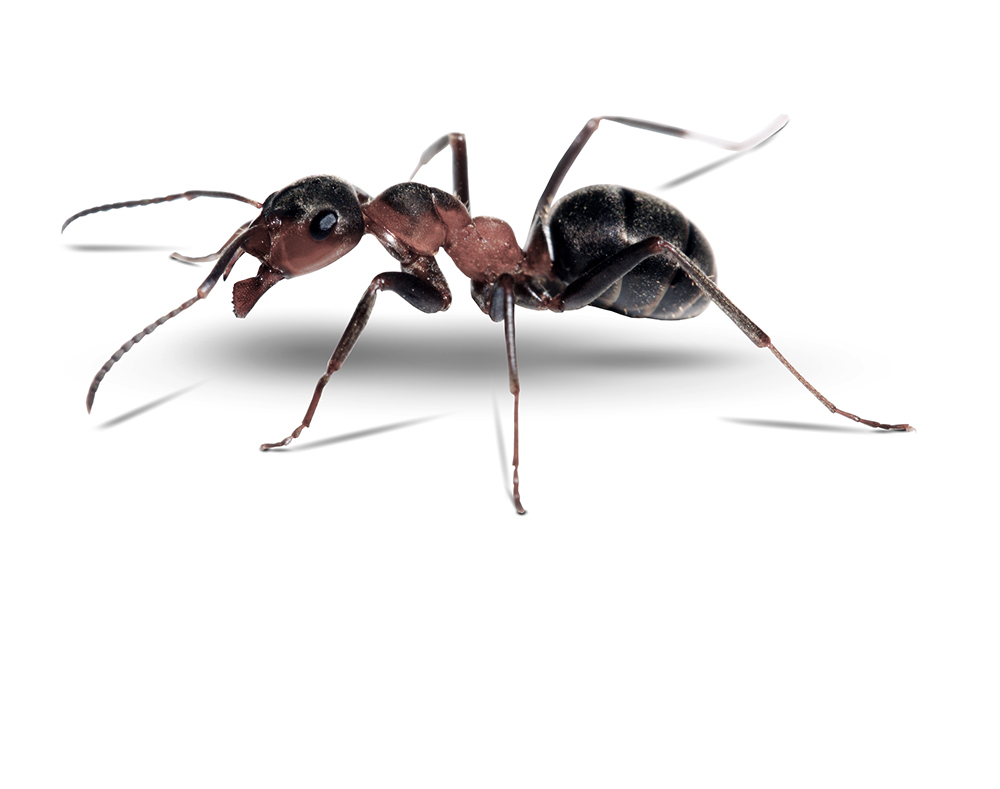
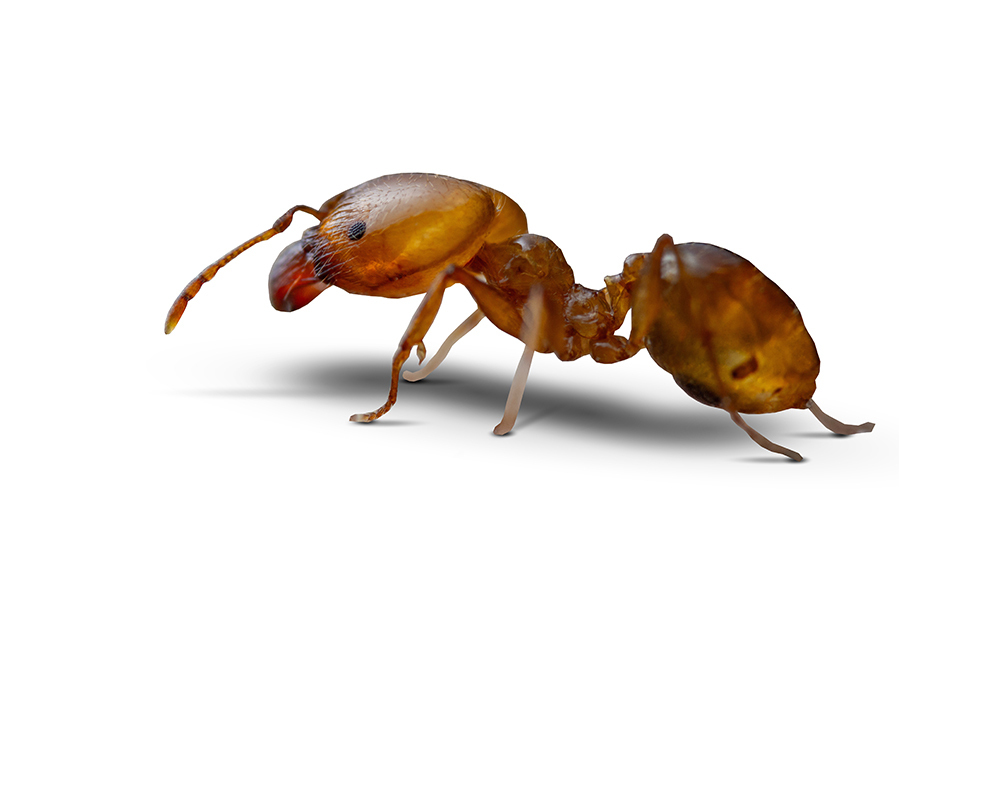
Other pests we deal with that often turn up in the same places.

Our friendly and knowledgeable team will be happy to help! Contact us to speak to a representative.
Every transaction is completely secure. We take your privacy seriously.
Pest problems wait for no one. That’s why you won’t have to wait long for us to take care of them.
We are bonded and insured to give our clients the peace of mind they deserve.
