GO! Pest Control logo
  • HOME
  • SERVICES
    • RESIDENTIAL PEST CONTROL
    • COMMERCIAL PEST CONTROL
    • PEST & WILDLIFE CONTROL
    • INSECT EXTERMINATION
    • BIRD CONTROL
    • ODOUR CONTROL SERVICES
  • AREAS WE SERVE
    • TORONTO (GTA)
    • OTTAWA (NCR)
    • HAMILTON
  • PEST ARCHIVE
    • ANTS
    • BED BUGS
    • COCROACHES
    • RODENTS
    • WILDLIFE
    • MORE PEST
  • Contact us
CALL NOW
866-467-3789
GET A FREE
ESTIMATE
CALL US NOW

Raccoons

Pest profile

A raccoon photographed close up, used on the GO! Pest Control pest library page
Racoons
Size: Length 60-95 cm and they weight 5.5-22 kg
Colour: Reddish brown above, greyish below and they have black mask on their face.
Description: Raccoons have long snout pointed ears and long canines teeth, the raccoon is highly intelligent carnivore and is related to bears and giant panda. They mostly active at night for raids garbage cans for food. The raccoons have few natural enemies such as bobcat, fox and coyote.

RACCOONS

CLEVER, STRONG, AND ALREADY IN YOUR ATTIC

What raccoons look like

The raccoon is a stocky, heavily built animal, usually 60 to 95 cm long including the tail and weighing from about 5.5 kg to 22 kg depending on age and season. The coat is reddish brown to grizzled grey over the back and paler grey underneath. The face carries the black mask across the eyes that makes the animal unmistakable, set off by a long pointed snout and small upright ears. The tail is bushy with alternating dark and pale rings. Raccoons have five long toes on each front foot and use them almost like fingers, which is how they open latches, lift shingles and pull vent covers apart. They are mainly active at night.

Signs you have raccoons

  • Heavy movement overhead. Thumping, dragging and slow footsteps in an attic or soffit, usually starting around dusk, point to a raccoon rather than a rodent.
  • Vocal noises in spring. A female with young in a wall or attic produces chittering, whining and chirping sounds that carry through the ceiling.
  • Damage at roof level. Torn soffit panels, lifted shingles, bent roof vents, pulled back fascia and holes at the roof line are typical raccoon entry work.
  • A latrine site. Raccoons return to the same spot to defecate, often on a flat roof, deck, woodpile or attic floor, leaving a pile of dark droppings.
  • Tipped bins and raided compost. Lids pushed off and green bin contents scattered overnight are a strong local sign.
  • Tracks and grease marks. Hand-like prints in mud or snow, and smudged brown marks on downspouts, fences and the corners of siding where they climb.

Noises that start in late winter or spring usually mean a female has chosen your attic as a den.

Why raccoons come into Ottawa and Toronto homes

Raccoons do very well in Canadian cities. Food is easy to find in garbage bins, green bins, compost, pet dishes and bird feeders, and there are far fewer predators than in the bush. What they want from a building is a dry, warm, defensible place to den, and attics, chimneys, soffits, porch decks, sheds and garages all suit them. Females look for den sites before giving birth, which is why entry into attics peaks in late winter and spring. Raccoons climb well and are strong enough to force weak building materials, so an aging soffit, a loose vent or an uncapped chimney is an open invitation. Scent left at a used den site can draw other raccoons in later seasons.

Are raccoons dangerous?

Raccoons are not aggressive by nature and normally avoid people, but they defend themselves and their young, so cornering one carries a real risk of bites and scratches. The health concerns are worth taking seriously. Raccoons in Ontario can carry rabies, and their droppings can contain raccoon roundworm eggs, which is why latrine areas and soiled insulation should be handled with proper protective equipment rather than swept up. They also carry fleas, ticks and mites that can move into the building. Property damage is often the larger cost. A denning raccoon tears insulation apart, chews wiring, damages ducts and soaks ceilings with urine and droppings.

How to keep raccoons out

  • Secure food waste. Use bins with locking lids and put them out in the morning rather than the night before.
  • Take in pet food and bird feeders at night, and pick up fallen fruit and spilled seed from the yard.
  • Check the roof line each year. Replace soft or rotted soffit, fascia and roof sheathing before an animal finds the weak spot.
  • Cap the chimney with a proper screened cap, and fit sturdy metal covers over roof, attic and bathroom exhaust vents.
  • Screen off the gaps under decks, porches, sheds and stairs with heavy mesh carried down into the soil so an animal cannot dig beneath it.
  • Cut tree limbs back from the roof and keep trellises, lattice and stacked material away from walls that lead up to the eaves.

Raccoons test a building constantly, so the goal is to leave nothing loose at the roof line.

How GO! Pest Control treats raccoons

  • Inspection. We examine the roof, soffits, vents, chimney and the ground level of the building to find the entry point, confirm what is using it, and check whether young are present.
  • Exclusion. We install a one-way door at the active entry so the animals can leave but cannot get back in, and we reinforce the surrounding weak points with heavy screen and metal flashing.
  • Removal. Raccoons are removed humanely. Where a female has young, the litter is handled so the family stays together and the mother can relocate them rather than being sealed apart from her kits.
  • Follow-up. We return to confirm the animals are out, take the one-way door off, close the opening permanently and check that no new entry has been opened nearby.
  • Advice. We walk you through the repairs, waste storage and yard changes that keep the next raccoon from choosing the same building, and point out soiled material that should be replaced.

We are licensed, insured and bonded, and we work in homes, apartments, condos and businesses across the Toronto GTA, Ottawa and Hamilton.

Common questions about raccoons

There are babies in my attic. What happens to them?

They are not left behind. We check for young before any exclusion work, and the job is handled so the mother can move her kits herself or so the family is reunited outside. Sealing a litter inside is inhumane and causes odour and further damage.

Can I just block the hole myself?

Not safely. If the animal is inside, it will either be trapped and die in the structure or tear a new opening, often causing more damage than the first one. The entry is closed only after the raccoons are confirmed out.

Is a raccoon out during the day sick?

Not necessarily. Nursing females often forage in daylight because they need more food. An animal that appears disoriented or unsteady is a different matter. Keep people and pets away rather than approaching it.

Do I need to replace the attic insulation?

Sometimes. Insulation that has been flattened, soiled with droppings or soaked with urine loses its value and holds odour. We will tell you what we see so you can decide whether cleanup and replacement is worth doing.

Will they come back after they are removed?

The same animal cannot return through a properly sealed opening. The risk is a different raccoon finding another weak point, since den scent lingers. That is why we screen the whole roof line rather than closing one hole.

Types of Ants

Click the ant type to learn what to look for and why the right treatment plan matters.
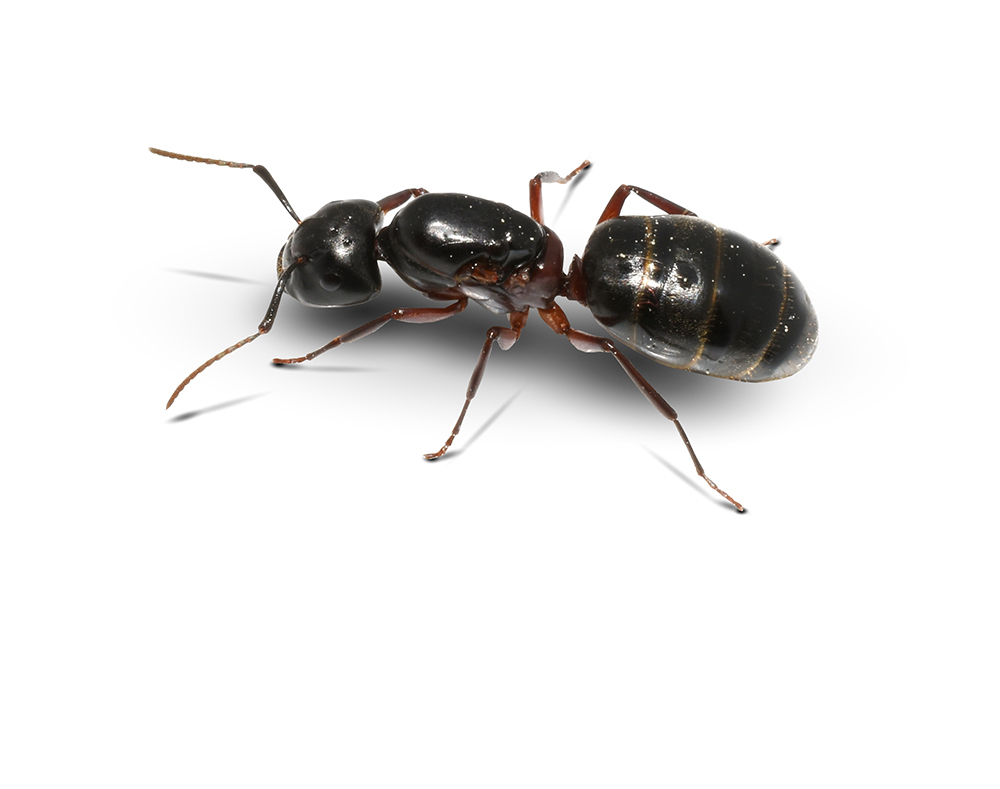
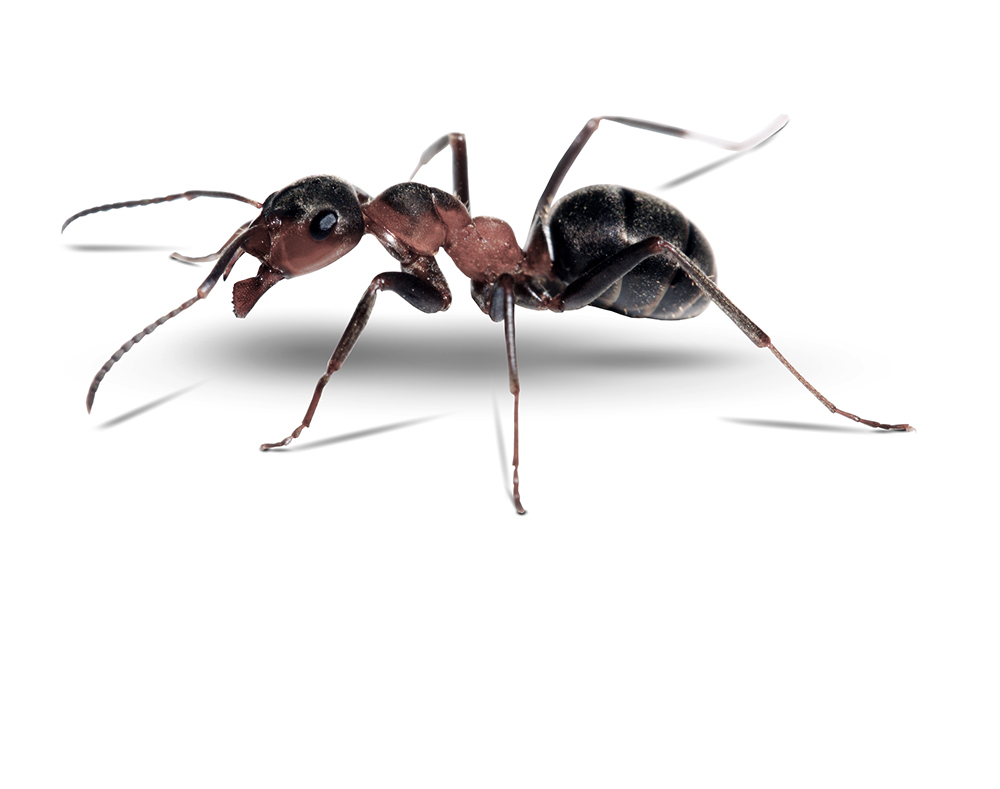
Carpenter ant
Pavement ant
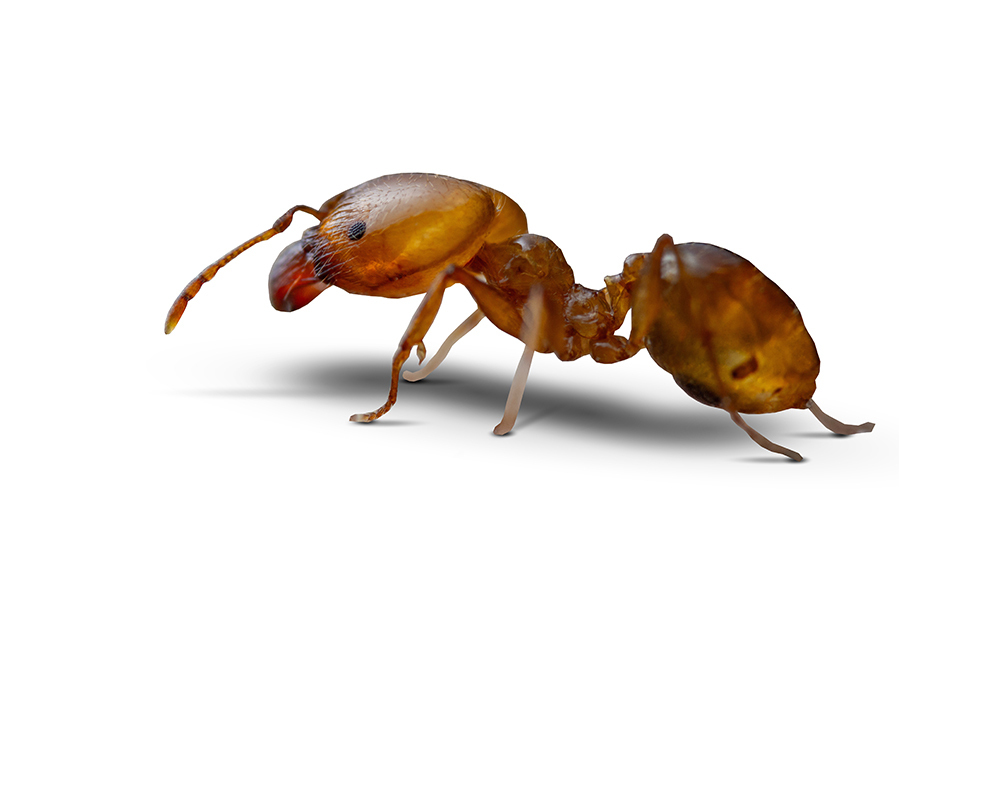
Pharaoh ant

Related Pests

Other pests we deal with that often turn up in the same places.

Types of Raccoons
Raccoon close-up

Subject: Raccoons

SEND A QUICK MESSAGE

ROUND-UP YOUR Raccoons PROBLEM.

We’re Standing-by to Help
18000
Satisfied clients
12
Awards in 2018, 2019, 2020
50
Years of combined experience
1000000+
Pests exterminated or relocated
AWARD-WINNING SUPPORT
Need Assistance?

Our friendly and knowledgeable team will be happy to help! Contact us to speak to a representative.

SECURED PAYMENT
Safe & easy

Every transaction is completely secure. We take your privacy seriously.

QUICK TURN-AROUND
We take fast action

Pest problems wait for no one. That’s why you won’t have to wait long for us to take care of them.

GO! PEST PROTECTION
Coverage with responsibility

We are bonded and insured to give our clients the peace of mind they deserve.

ABOUT US

GO! Pest Control logo

A team of highly trained Pest Control & Extermination experts, covering the entire Toronto GTA and Ottawa’s NCR. We take infestations as seriously as we do the environment and safety of humans & protected wildlife.

X-twitter Pinterest Youtube Instagram Linkedin

PEST ARCHIVE

  • ANTS
  • BED BUGS
  • COCKROACHES
  • RODENTS
  • WILDLIFE
  • MORE PEST
  • ANTS
  • BED BUGS
  • COCKROACHES
  • RODENTS
  • WILDLIFE
  • MORE PEST
  • ANTS
  • BED BUGS
  • COCKROACHES
  • RODENTS
  • WILDLIFE
  • MORE PEST
  • ANTS
  • BED BUGS
  • COCKROACHES
  • RODENTS
  • WILDLIFE
  • MORE PEST

OUR SERVICES

  • RESIDENTIAL PEST CONTROL
  • COMMERCIAL PEST CONTROL
  • PEST & WILDLIFE CONTROL
  • INSECT EXTERMINATION
  • BIRD CONTROL
  • RESIDENTIAL PEST CONTROL
  • COMMERCIAL PEST CONTROL
  • PEST & WILDLIFE CONTROL
  • INSECT EXTERMINATION
  • BIRD CONTROL
  • RESIDENTIAL PEST CONTROL
  • COMMERCIAL PEST CONTROL
  • PEST & WILDLIFE CONTROL
  • INSECT EXTERMINATION
  • BIRD CONTROL
  • RESIDENTIAL PEST CONTROL
  • COMMERCIAL PEST CONTROL
  • PEST & WILDLIFE CONTROL
  • INSECT EXTERMINATION
  • BIRD CONTROL

AREAS WE SERVE

  • OTTAWA (NCR)
  • TORONTO (GTA)
  • OTTAWA (NCR)
  • TORONTO (GTA)
  • OTTAWA (NCR)
  • TORONTO (GTA)
  • OTTAWA (NCR)
  • TORONTO (GTA)

GO! PEST CONTROL

  • About
  • Contact
  • Careers
  • Blog
  • Testimonials
  • About
  • Contact
  • Careers
  • Blog
  • Testimonials
  • About
  • Contact
  • Careers
  • Blog
  • Testimonials
  • About
  • Contact
  • Careers
  • Blog
  • Testimonials
  • Privacy Policy
  • Terms
  • Site Map
  • 866-806-9227
  • Privacy Policy
  • Terms
  • Site Map
  • 866-806-9227
  • Privacy Policy
  • Terms
  • Site Map
  • 866-806-9227
  • Privacy Policy
  • Terms
  • Site Map
  • 866-806-9227

© 2026 GO! Pest Control, Inc. All rights reserved.