
The bird known as the pigeon in Canadian cities is the rock dove, an introduced species brought from Europe centuries ago. Adults are about 34 cm long with a plump body, small head, short legs and a broad tail. The standard colouring is bluish grey with two dark bars across each wing, a dark tail band and a green and purple sheen on the neck, but city flocks vary widely and include white, rusty red, speckled and nearly black birds. The bill is dark with a pale fleshy patch at the base. They walk with a nodding head, roost on ledges, beams and signs, and feed in groups on the ground. Their call is a low repeated cooing rather than a song.
Pigeons settle in fast, and a small group becomes a resident flock if nothing changes.
Pigeons are descended from cliff nesting birds, and a modern building is essentially a cliff with better shelter. Ledges, parapets, sills, signs, bridges, parking garages, loading docks and the space under solar panels all reproduce the rock crevices their ancestors used. Cities also feed them well. Spilled food around restaurants and food courts, overflowing bins, crumbs in plazas, grain at industrial sites and deliberate feeding by residents keep flocks going year round. They breed through most of the year when food and shelter allow, so a population grows quickly. Buildings in downtown Ottawa, across the GTA and in Hamilton that offer warm mechanical areas, sheltered ledges and an easy food source nearby tend to build the largest flocks.
Pigeons do not attack people, but they bring genuine problems. Droppings are acidic and corrode stonework, metal, paint and roofing over time, and they block gutters and drains, which leads to water damage. Wet droppings on walkways, stairs and loading areas are a slip hazard. Accumulated droppings and nest debris are associated with fungal and bacterial organisms that can affect health, which is why cleanup of heavy build up should be done with the proper precautions rather than swept dry. Nests also harbour bird mites, carpet beetles and flies that move into the building. For food businesses, warehouses and offices, a visible pigeon problem also creates hygiene and reputation concerns. The risk is mainly to property and cleanliness rather than to personal safety.
Take away the ledge and the food and the flock moves on.
We are licensed, insured and bonded, and we work in homes, apartments, condos and businesses across the Toronto GTA, Ottawa and Hamilton.
Rock doves are an introduced species and are not covered by the federal migratory bird protections that apply to most native birds. Other rules can still apply, so we work within them and do not give legal advice.
Properly installed spikes are a physical deterrent, not a trap or a weapon. They make a ledge unusable so birds settle elsewhere. Correct installation and spacing matter.
Pigeons return to familiar roosts, and scent and staining reinforce the habit. Cleaning alone does not change the site. Exclusion on the ledge is what breaks the pattern.
Light droppings on a sill are manageable. Heavy accumulations in attics, shafts and roof areas should be handled with proper protection, containment and disposal.
It depends on the size of the flock, the number of roosting areas and the access. We assess the site and explain the scope before any work begins.
Click the ant type to learn what to look for and why the right treatment plan matters.
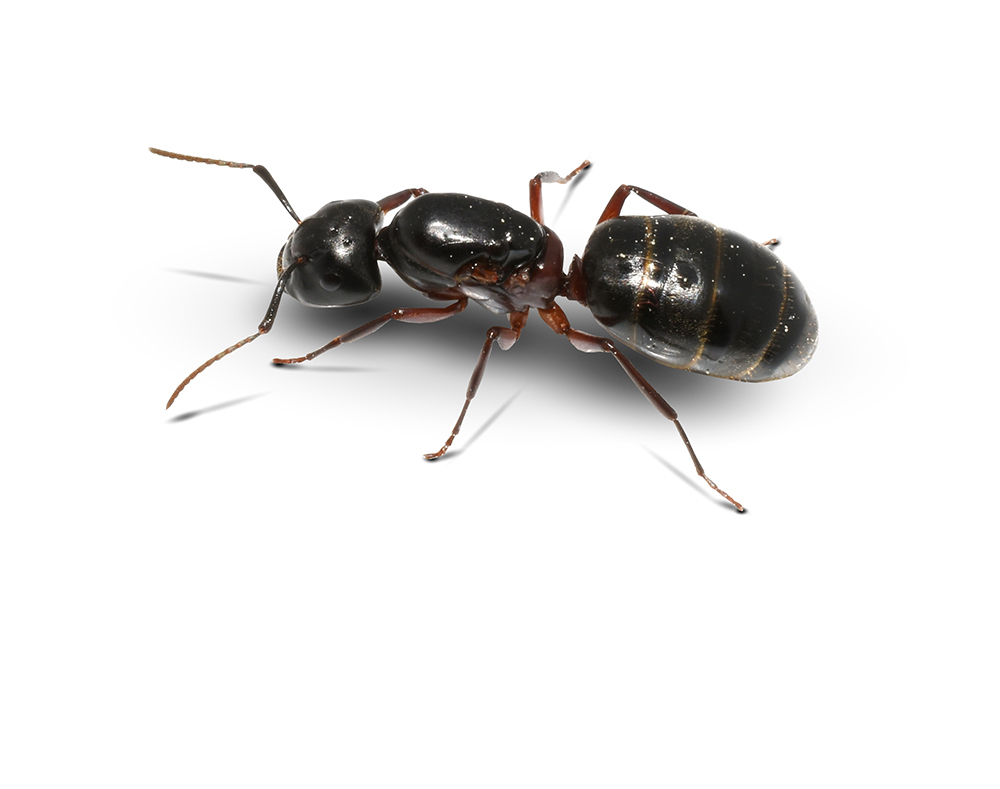
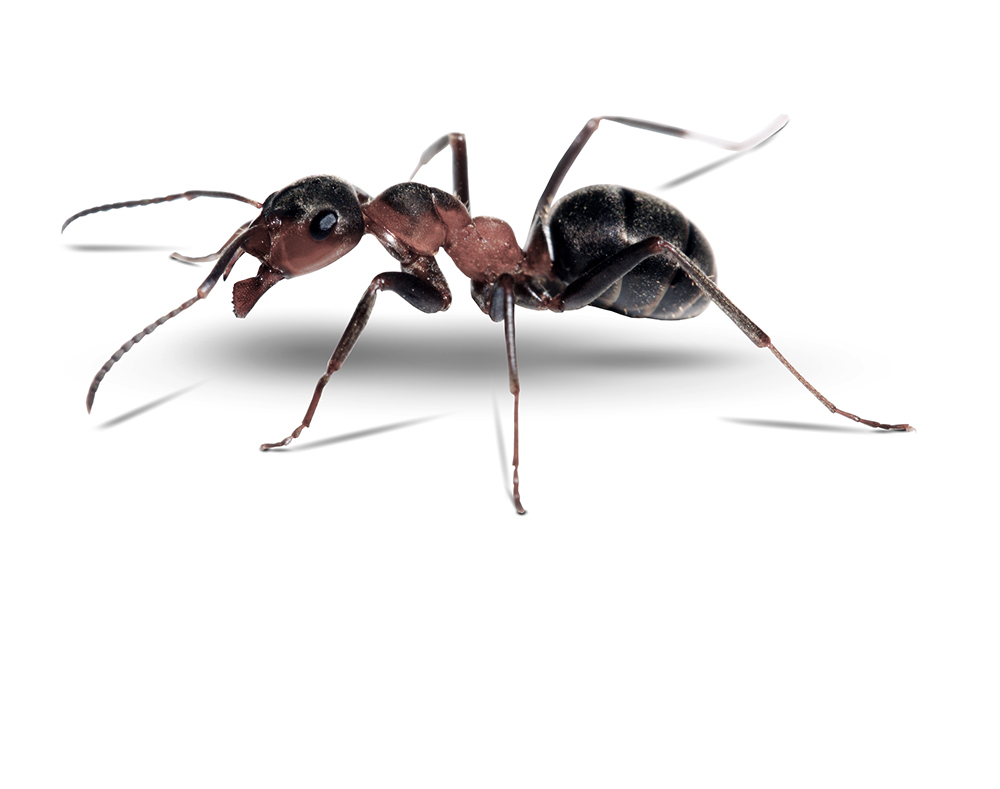
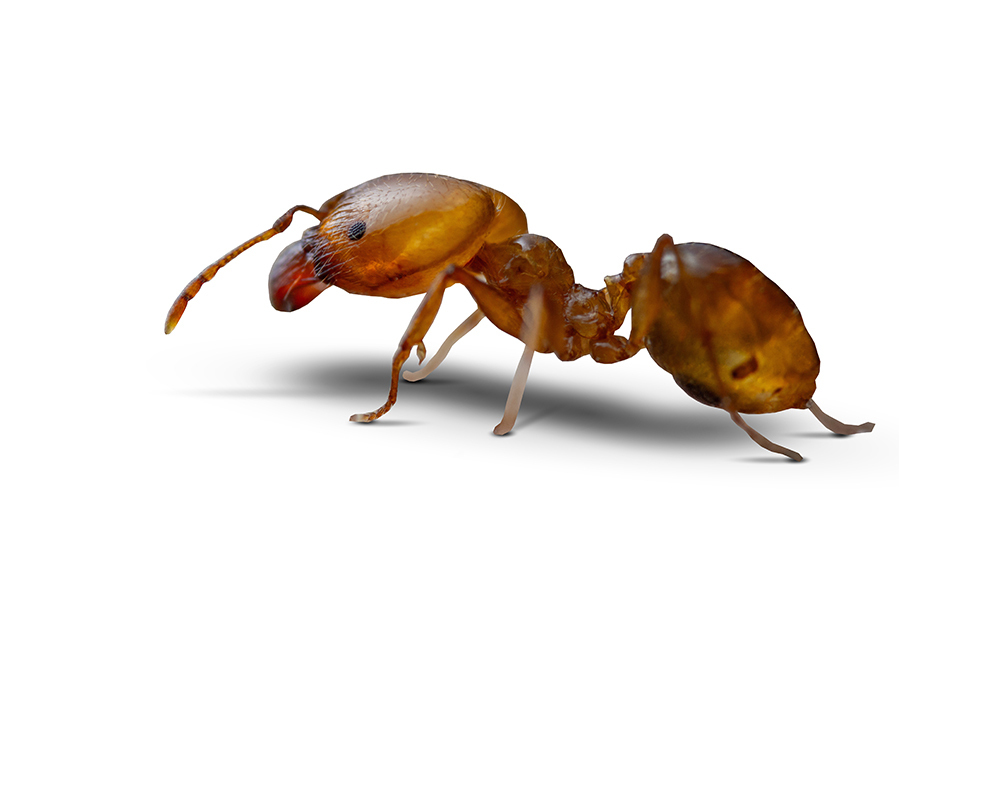
Other pests we deal with that often turn up in the same places.

Our friendly and knowledgeable team will be happy to help! Contact us to speak to a representative.
Every transaction is completely secure. We take your privacy seriously.
Pest problems wait for no one. That’s why you won’t have to wait long for us to take care of them.
We are bonded and insured to give our clients the peace of mind they deserve.
