
K9 bed bug detection is an inspection carried out by a trained and certified detection dog working with a handler. The dog is trained to recognise the scent of live bed bugs and viable eggs, and to signal to the handler where that scent is coming from. It is a way of searching a room that does not depend on finding something with the naked eye. The dog covers furniture, bed frames, baseboards, seams and other likely harbourage quickly and quietly, and the handler reads the dog’s response and then confirms visually. The result is a clear picture of which rooms or which pieces of furniture need attention, and which do not. We use it in homes, apartments, condos, hotels, student housing, offices and care settings.
Bed bugs are small, up to 4.5 mm, flat and reddish brown, and they hide in seams, screw holes, cracks in a frame, behind trim and inside furniture joints. Early on there may be only a handful of them in a whole apartment, with no bites reported yet and nothing obvious on the mattress. A visual inspection can only search what a technician can see or take apart in a reasonable amount of time, and a determined visual search of a furnished bedroom is slow. A dog works by scent instead, so a bug tucked inside a joint or behind a headboard is still detectable. That matters most in the early stages and in buildings with many units, where knowing exactly which rooms are affected saves a great deal of unnecessary treatment.
It is most useful when you need to know with confidence whether bed bugs are present and where. Common situations include a suspected problem with bites but nothing found visually, a multi unit building where the affected units need to be pinpointed before treatment, a hotel or short term rental checking rooms, a property changing hands or tenants, a post treatment check to see whether activity has been dealt with, and a large space such as an office, dormitory or care home where searching every room by hand is not practical. It is also worth considering when the alternative is treating several units on suspicion alone.
We ask you to keep the space fairly normal rather than emptying it. Clear away food, strong air fresheners, open cleaning products and pet bowls, turn off fans that move air around the room, and keep any household pets in another area. You do not need to strip the beds or bag your belongings for an inspection, and heavy cleaning immediately beforehand can make the search harder rather than easier. The dog works on lead with the handler. Searching a typical bedroom does not take long, and most homes are covered in a single visit. You are welcome to be present. We go through the findings with you before we leave and tell you plainly what we found and what we would do about it.
Detection and treatment are separate steps. A K9 inspection tells us whether bed bugs are there and where they are concentrated. If the result is negative, you have avoided treating a property that does not need it, and we can look at other causes for the bites or marks. If the result is positive, the findings shape the treatment plan, including which rooms are treated, where the focus goes and whether a bio-pesticide application, a conventional treatment or a combination suits the situation. A dog can also be brought back after treatment as a check, which is how many building managers confirm that a unit is clear before putting new tenants in.
We are licensed, insured and bonded, and we work in homes, apartments, condos and businesses across the Toronto GTA, Ottawa and Hamilton.
The dog is trained and certified to recognise the scent of live bed bugs and viable eggs, and to give the handler a trained signal when it finds that scent. The handler then confirms the location visually.
No. Keep the space close to normal. Remove food, strong scents and open cleaning products, settle pets elsewhere and turn off fans. Deep cleaning or bagging everything beforehand can make the inspection harder.
Yes. These are working dogs handled on lead by their handler throughout, and they are focused on the search. You are welcome to be in the home while the inspection takes place.
Yes, and that is one of the strongest uses for it. Working through units with a dog is how you find out which ones are actually affected instead of treating a whole block on suspicion.
Yes. A post treatment inspection is a common request, particularly for landlords and property managers who need to know where a unit stands before it is occupied again.
Click the ant type to learn what to look for and why the right treatment plan matters.
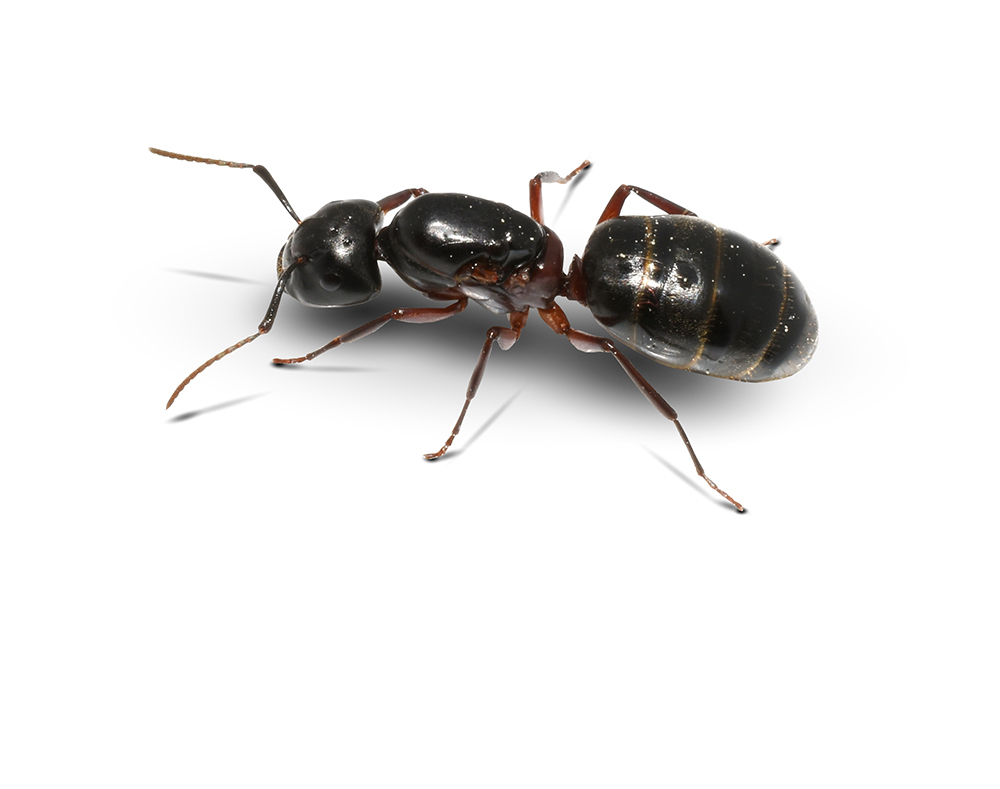
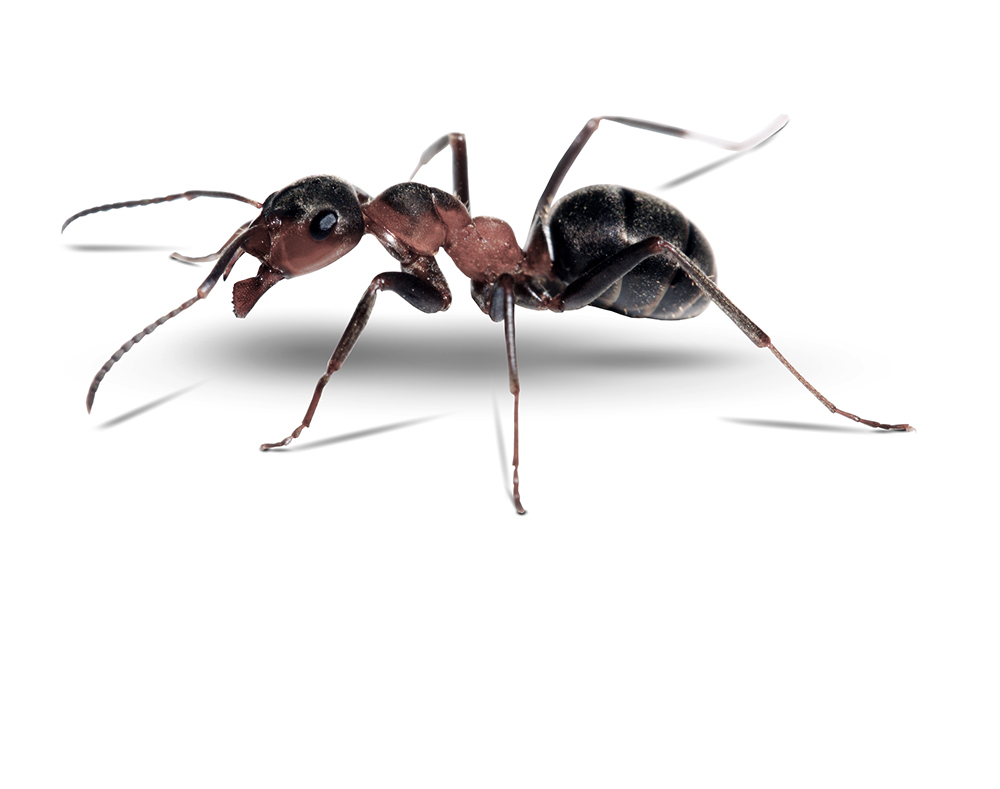
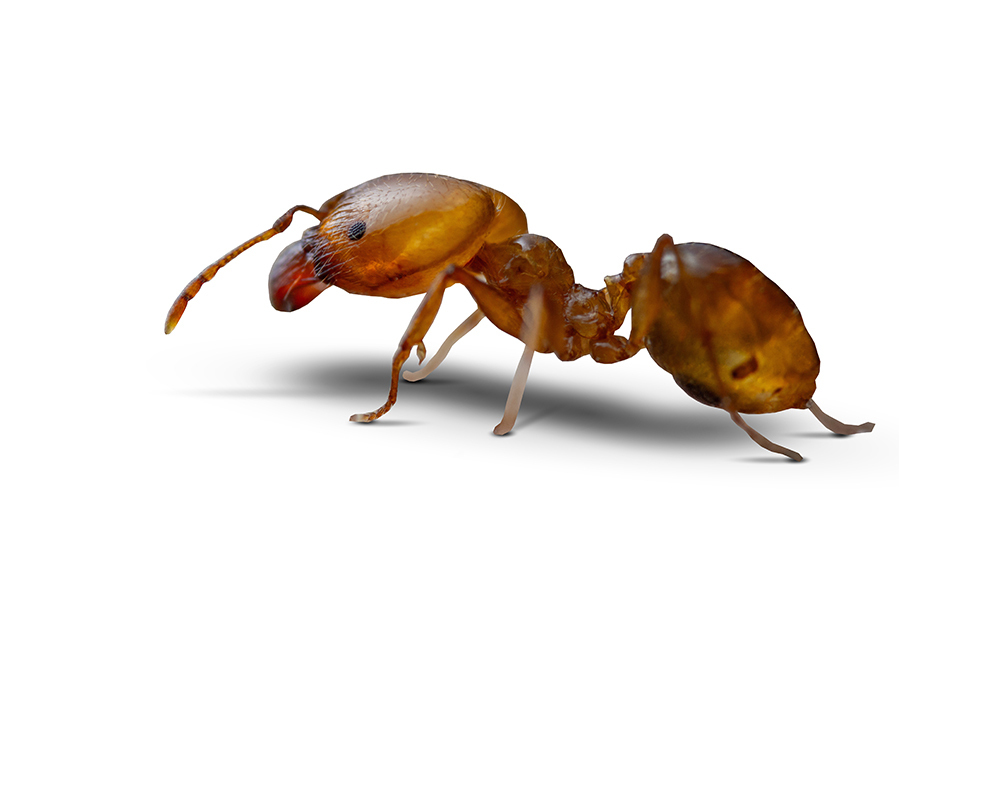
Other pests we deal with that often turn up in the same places.
Our friendly and knowledgeable team will be happy to help! Contact us to speak to a representative.
Every transaction is completely secure. We take your privacy seriously.
Pest problems wait for no one. That’s why you won’t have to wait long for us to take care of them.
We are bonded and insured to give our clients the peace of mind they deserve.
