
Hornets are large social wasps, with workers commonly running 18 to 25 mm and queens larger again. The body is smooth rather than hairy, with a narrow waist and long legs that hang in flight. In Ontario the insect most people call a hornet is the bald-faced hornet, which is black with bold ivory white markings on the face and the end of the abdomen. European hornets also occur in parts of Southern Ontario and are brown and yellow with reddish shading. The nest is the other identifier: a grey papery envelope made from chewed wood fibre, often shaped like a teardrop or a football, with a single guarded opening near the bottom.
Any nest near a door, walkway or work area should be treated as urgent rather than watched.
Hornets need three things, and Ontario properties supply all of them. First is a sheltered anchor point off the ground, which is what a soffit return, porch ceiling, shed eave, pergola, mature shade tree or thick cedar hedge provides. Second is wood fibre for building, and every weathered fence, deck rail and unpainted garden structure is a supply depot. Third is food: caterpillars and flies early in the season, then sugar from fallen fruit, recycling bins, outdoor dining and compost later on. The wooded ravines and mature tree canopy of the Toronto GTA, the older tree-lined streets of Ottawa and the escarpment edge in Hamilton all put nest sites close to houses. A colony starts small in spring with one queen and is largely unnoticed until the worker population climbs sharply in mid to late summer.
Yes, and this is where hornets differ from bees. Hornets defend the nest aggressively and in numbers. Their sting is smooth, so a single hornet can sting repeatedly, and a disturbed colony will pursue a perceived threat well away from the nest. Vibration alone, such as a lawnmower, a hedge trimmer, a ladder against the soffit or a slammed door, is often enough to trigger a defensive response. Stings are painful for anyone and can be a medical emergency for a person with an allergy. Multiple stings are a serious matter regardless of allergy. Structural damage is limited, since the nest is made of paper and the insects do not bore into timber, but nests built inside a soffit, wall void or attic can stain surfaces, and abandoned nests draw in carpet beetles and other scavengers. Treating a hornet nest yourself is the wrong move.
Removing a small early nest is straightforward, while a late summer nest takes proper equipment.
We are licensed, insured and bonded, and we work in homes, apartments, condos and businesses across the Toronto GTA, Ottawa and Hamilton.
Hornets defend their nests aggressively, sting repeatedly and chase, which makes a nest near a home a real safety problem. Honey bees and bumble bees are pollinators that rarely behave that way, so we prefer to move them or leave them be.
We strongly advise against it. Store products often fail to reach the colony inside the paper envelope, and the response is immediate and from many insects at once.
No. The colony dies out with the cold and the paper nest is not reoccupied. A new queen may nest close by, though, so it is still worth closing up the gaps and checking the same spots each spring.
Hornets are larger and heavier bodied. The bald-faced hornet is black with white markings and builds a big enclosed grey nest. Common wasps are smaller, yellow and black, and often build open combs under eaves or nest in the ground.
Yes. A nest in a void is harder to reach and the insects may find their way into the living space, so it needs to be treated from the right access point rather than sprayed at the entry hole.
Click the ant type to learn what to look for and why the right treatment plan matters.
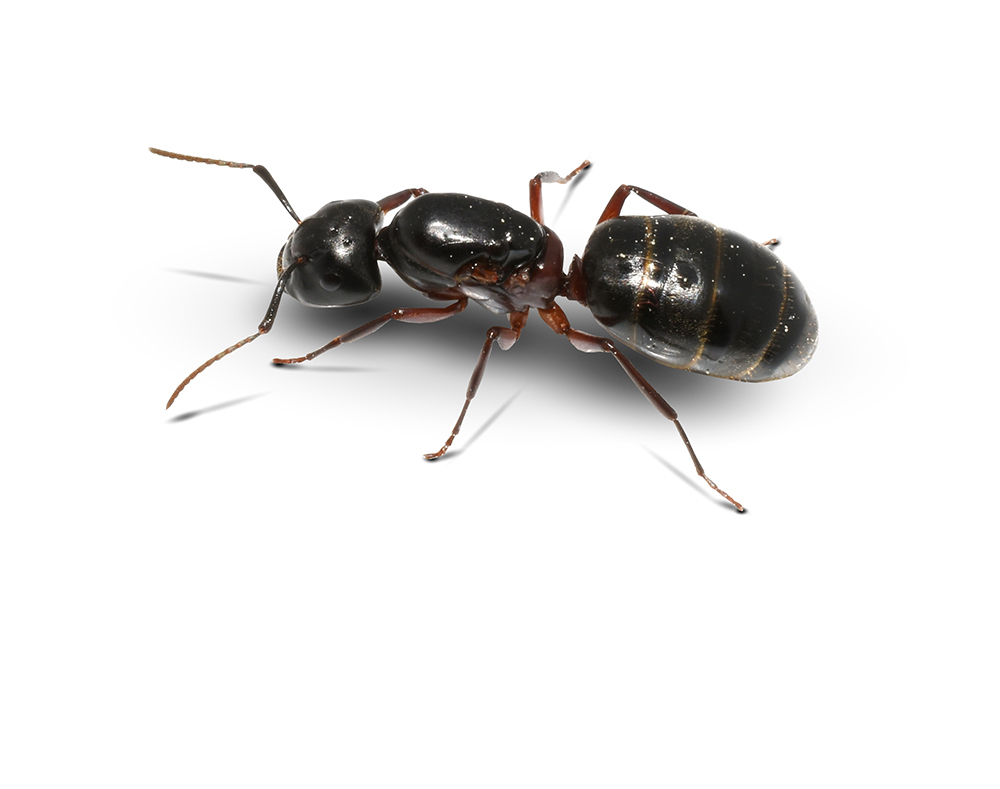
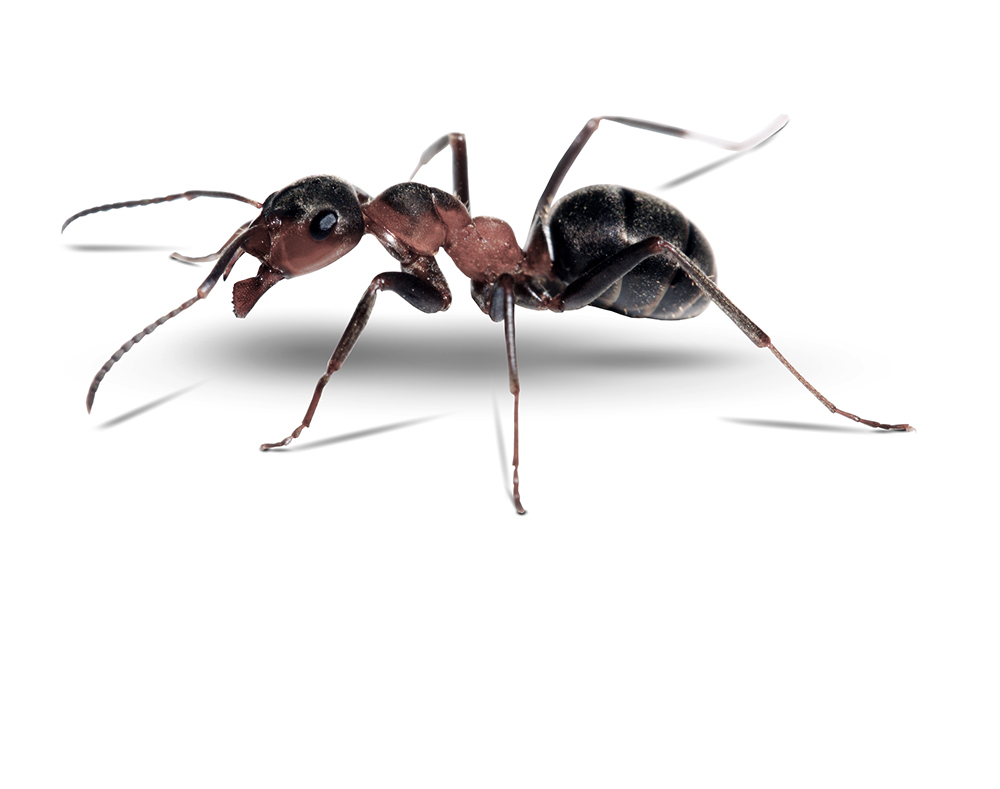

Other pests we deal with that often turn up in the same places.

Our friendly and knowledgeable team will be happy to help! Contact us to speak to a representative.
Every transaction is completely secure. We take your privacy seriously.
Pest problems wait for no one. That’s why you won’t have to wait long for us to take care of them.
We are bonded and insured to give our clients the peace of mind they deserve.
