
A honey bee worker is a slim insect about 12 to 15 mm long, amber to golden brown with dark bands across the abdomen and a light covering of fine hair. It is noticeably smaller and narrower than a bumble bee and far less furry, but still clearly hairy next to a smooth wasp. The hind legs carry flattened pollen baskets that often hold a pale yellow or orange load. Honey bees are the only bee here with a barbed sting, so a worker that stings loses the sting and dies. They live in permanent colonies of many thousands, store honey and wax comb, and survive the Ontario winter as a cluster rather than dying off each autumn.
Year round activity at one point means an established colony rather than a passing swarm.
Honey bee colonies reproduce by swarming. In late spring and early summer, a colony splits, and roughly half the bees leave with the old queen and settle in a temporary cluster while scout bees search for a permanent cavity. What the scouts want is a dry, dark, defensible void of a certain size with one small entrance, and buildings supply that better than trees do. Chimneys and unused flues, soffit returns, wall cavities behind brick, roof overhangs, shed and garage walls, and hollow porch columns all get chosen. Ottawa, the Toronto GTA and Hamilton have a high density of managed hives in backyards and on rooftops as well as feral colonies in parks and ravines, so swarms pass through residential streets every season.
Honey bees are not looking for trouble. Foraging bees on flowers can be worked around safely, and a resting swarm is usually calm because the bees have no stores or brood to defend. Risk rises sharply in two situations: when someone disturbs an established colony at close range, and when the person stung has a sting allergy, in which case even one sting is a medical emergency. The property risk is real and often underestimated. An established colony builds heavy wax comb and stores honey, and once it is inside a wall that weight can stain drywall, soak insulation and seep through ceilings in hot weather.
A swarm will move on if it cannot find a way in, so closing entry points is the whole game.
We are licensed, insured and bonded, and we work in homes, apartments, condos and businesses across the Toronto GTA, Ottawa and Hamilton.
We prefer not to. Honey bees are pollinators and relocation is our first choice. Treatment is a last resort, used only when a colony cannot be moved safely and is putting people in the building at real risk.
Keep people and pets back, do not spray it and do not throw anything at it. A resting swarm is usually calm and often moves on by itself, but call us rather than waiting and hoping.
Sealing a live colony inside a cavity traps the bees, and they frequently chew or push their way into the living space instead. The comb and honey also stay behind to rot and attract other pests.
Honey bees are hairy, amber and brown, and they carry pollen on their legs. Wasps are smooth, shiny and brightly marked, they hover around food and bins, and their nest is grey paper rather than wax comb.
It can be. Comb and stored honey are heavy, they stain drywall and ceilings, and once a colony is gone the honey ferments and attracts ants, wax moths and rodents. The cavity needs proper attention, not just a sealed entrance.
Click the ant type to learn what to look for and why the right treatment plan matters.
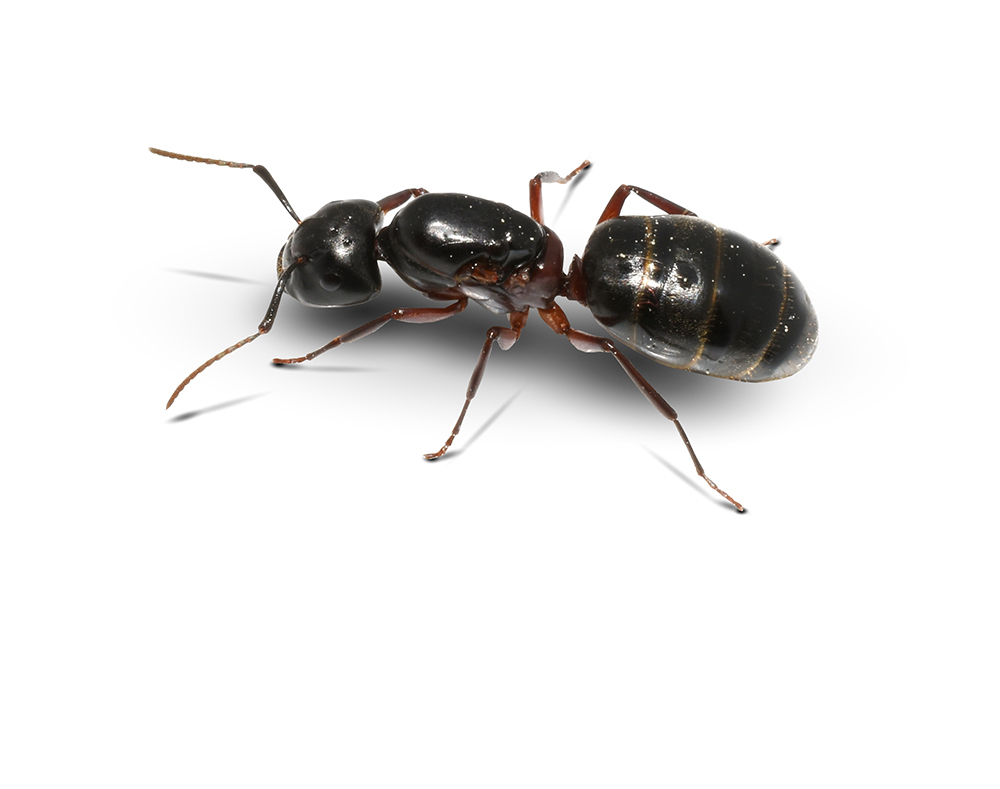
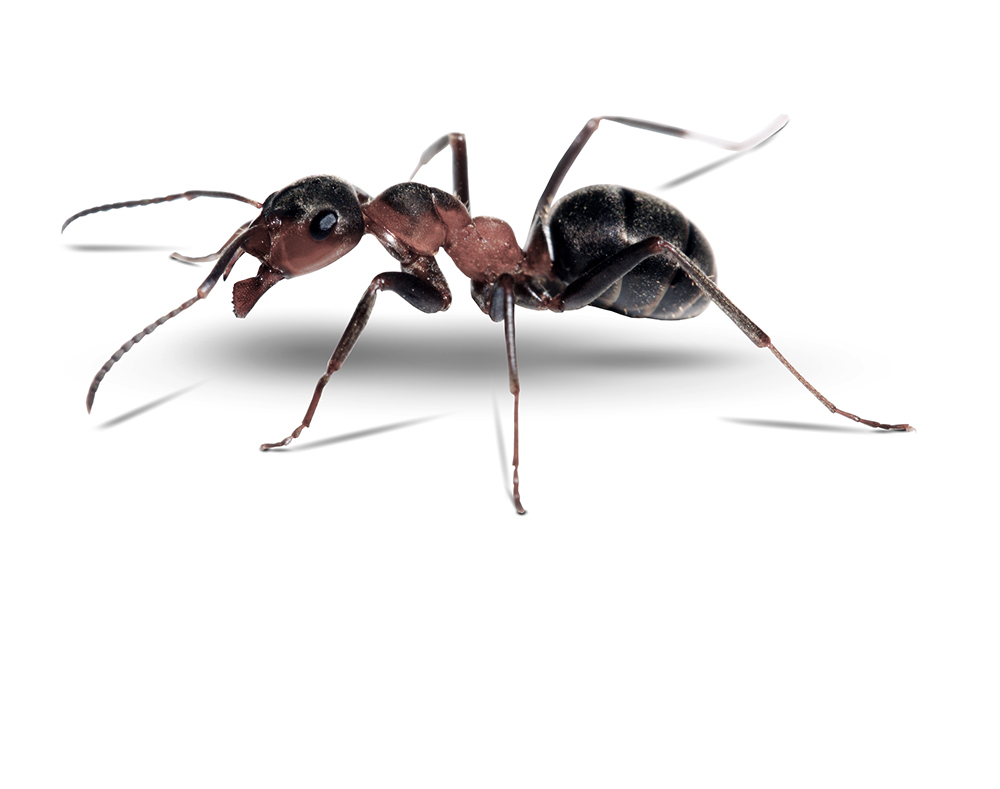
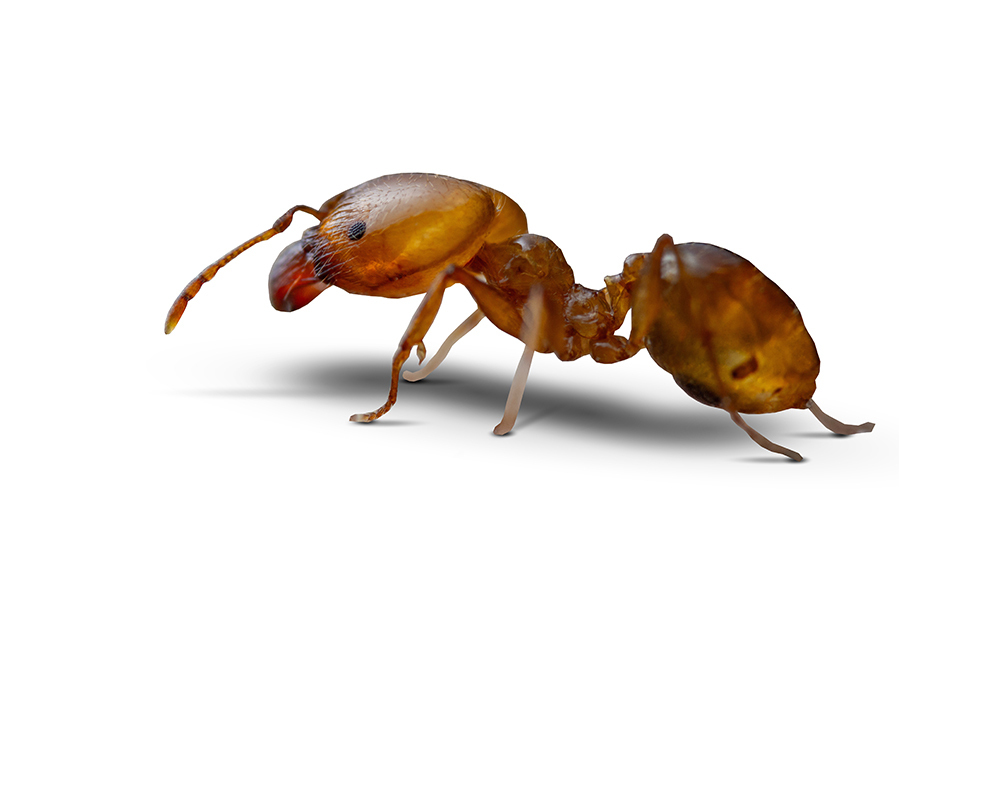
Other pests we deal with that often turn up in the same places.

Our friendly and knowledgeable team will be happy to help! Contact us to speak to a representative.
Every transaction is completely secure. We take your privacy seriously.
Pest problems wait for no one. That’s why you won’t have to wait long for us to take care of them.
We are bonded and insured to give our clients the peace of mind they deserve.
