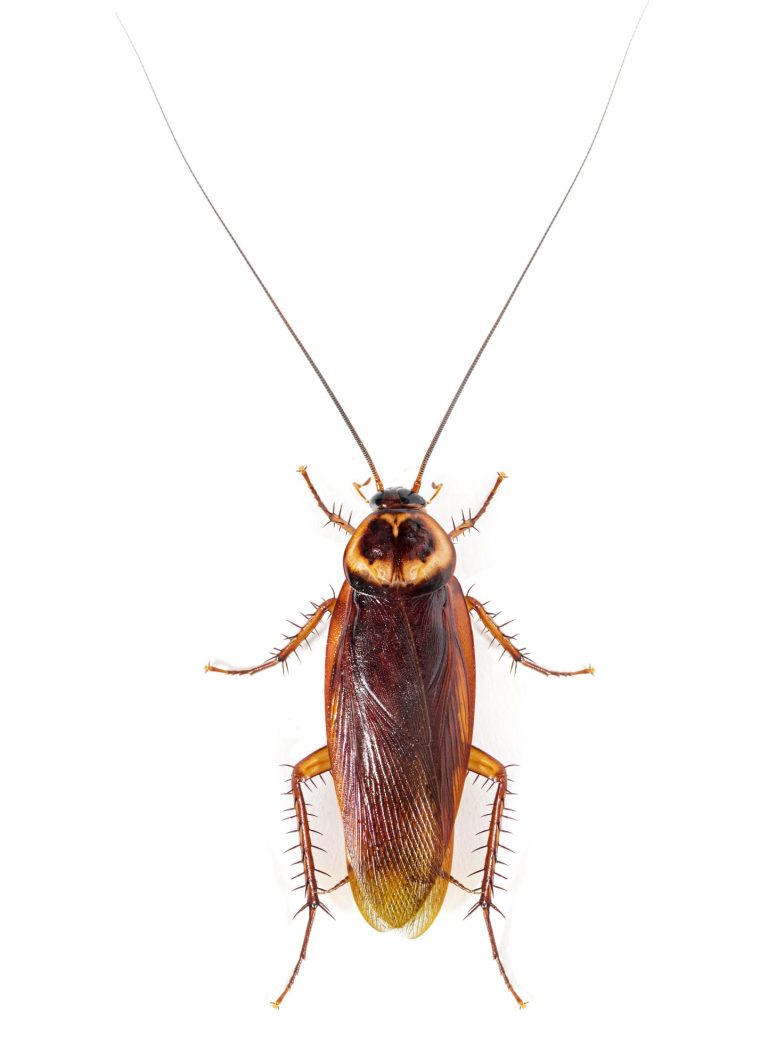
German cockroaches are the fast-breeding indoor kitchen species, and they are the one cockroach that genuinely lives with you rather than wandering in from outside. Adults are small, roughly 13 to 16 mm, light brown to tan, with two dark parallel stripes running down the shield behind the head. That striped shield is the identification feature. They have wings but rarely fly. Nymphs are darker, almost black, with the same pair of stripes and a pale band across the back. The egg case is a pale brown purse the female carries at the end of her abdomen until it is nearly ready to hatch, which protects it and is part of why numbers climb so fast. They are much smaller than American, Oriental or smoky brown cockroaches, all of which are outdoor and drain-associated species.
They do not come in from the garden. German cockroaches cannot survive Canadian winters outdoors, so they are carried in. The usual routes are used appliances and furniture, cardboard boxes and grocery packaging, luggage, second-hand electronics, shared laundry rooms, and movement through wall voids and plumbing chases from a neighbouring unit. Once inside they need only warmth, moisture and crumbs, so kitchens and bathrooms suit them. They breed quickly, each female producing repeated egg cases with dozens of eggs, which is why a few insects become a serious problem in a matter of months. They are a genuine health concern, because they carry bacteria onto food surfaces and their droppings and shed skins are a recognised trigger for asthma and allergies.
We are licensed, insured and bonded, and we work in homes, apartments, condos and businesses across the Toronto GTA, Ottawa and Hamilton.
They are carried in on used appliances, cardboard, luggage or second-hand furniture, or they move through wall voids from a neighbouring unit. Cleanliness affects how fast they spread, not whether they arrive.
Repellent sprays push cockroaches deeper into voids and away from bait, and surviving insects spread to new harbourage. Gel baits and growth regulators used together are far more effective.
Yes. They walk over waste and then over food surfaces, spreading bacteria, and their droppings and shed skins are a well recognised trigger for asthma and allergy symptoms, particularly in children.
Click the ant type to learn what to look for and why the right treatment plan matters.
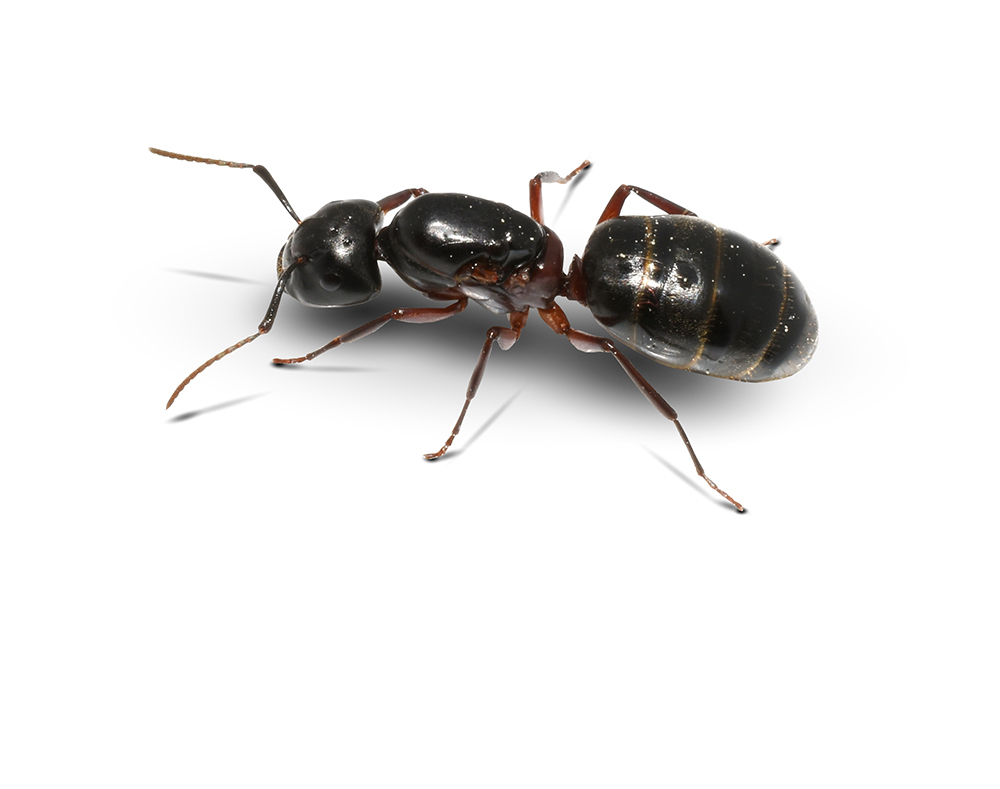
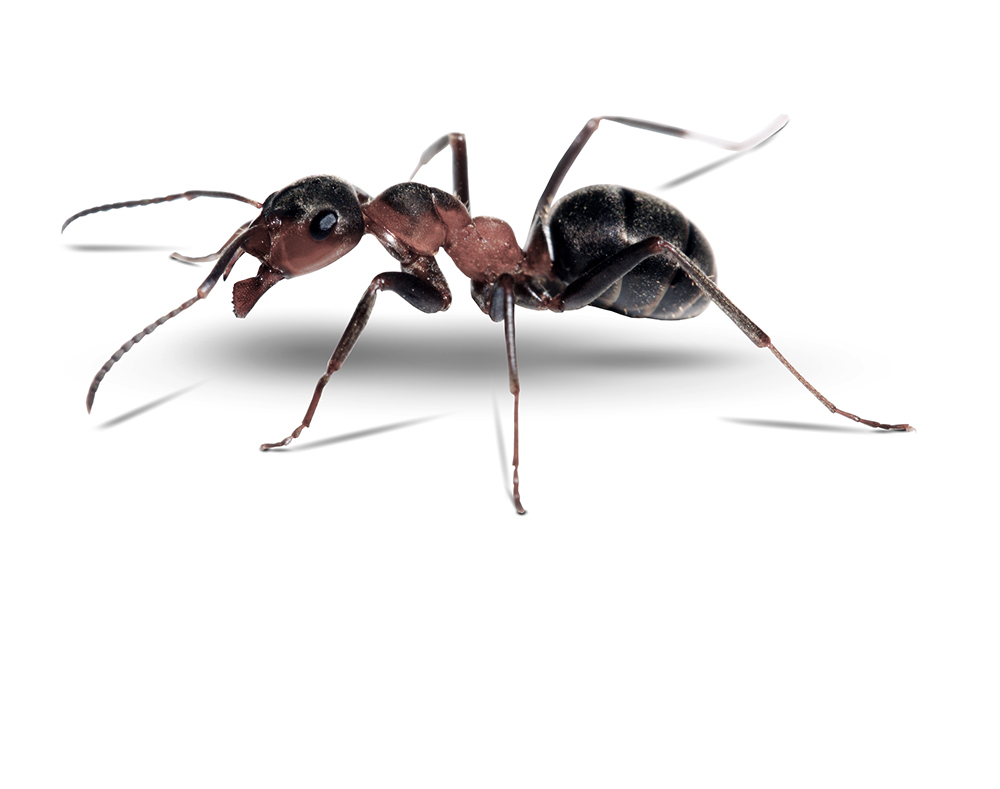
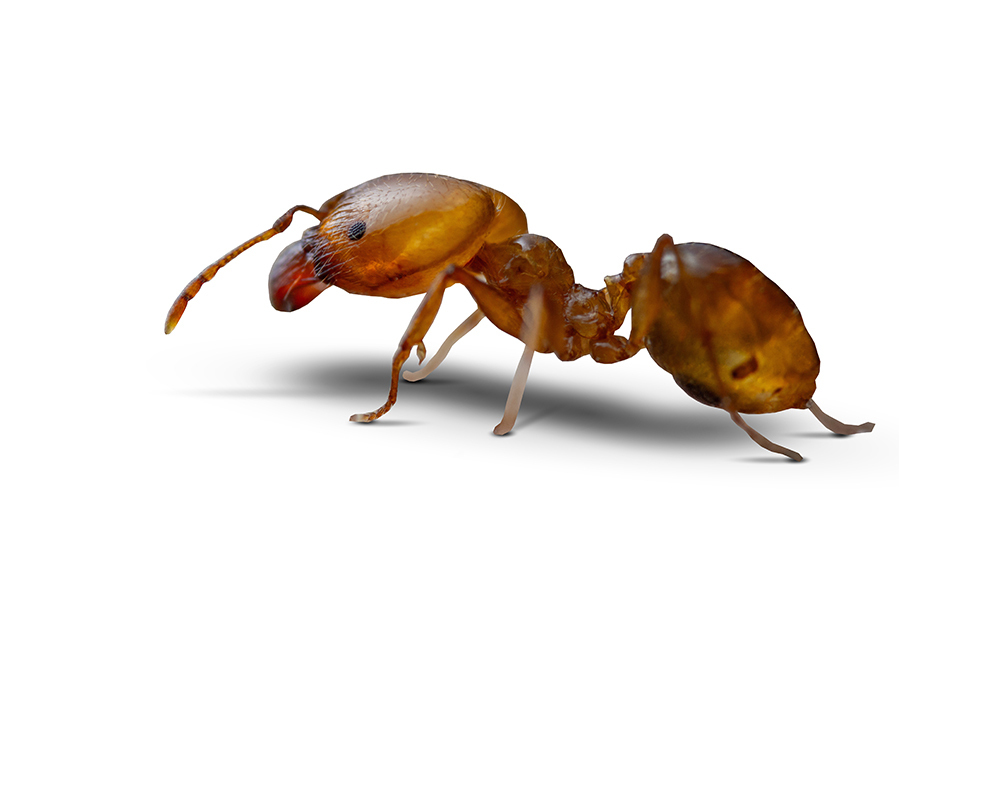
Other pests we deal with that often turn up in the same places.
Our friendly and knowledgeable team will be happy to help! Contact us to speak to a representative.
Every transaction is completely secure. We take your privacy seriously.
Pest problems wait for no one. That’s why you won’t have to wait long for us to take care of them.
We are bonded and insured to give our clients the peace of mind they deserve.
