
The flies found in Ontario buildings run from about 2 mm to 16 mm long. House flies are dull grey with four dark stripes running down the thorax and reddish eyes. Cluster flies are a little larger, darker and slower, with short golden hairs that catch the light. Blow flies and bottle flies are stouter and metallic, in shades of green, blue or bronze. Fruit flies are tiny and tan with red eyes. Drain flies are small, fuzzy and moth like, and they rest with their wings held over the body. All adult flies have a single pair of wings, large compound eyes and sponging mouthparts. The young stage, the maggot, is pale, legless and tapered toward the head.
A few flies in July is ordinary. A steady supply usually means something nearby is breeding them.
Flies follow food, moisture and warmth, and cities offer all three. Green bins, garbage rooms, dumpsters behind restaurants and unrinsed recycling create ideal breeding material through the warm months. Pet waste on lawns, backyard compost, manure on rural properties near Ottawa and spilled fruit in kitchens all add to the supply. Warehouses and food businesses hold heat and odour that draw flies in through loading doors. Cluster flies behave differently. They develop in soil, feeding on earthworms, then move toward sun warmed walls in late summer and press into siding gaps, soffits and attic vents to overwinter. That is why homes on the edge of fields, parks and ravines in the National Capital Region and across the GTA see them year after year.
Flies do not bite or sting, but they are not harmless either. House flies, blow flies and bottle flies feed on garbage, manure and carrion, then land on counters, dishes and food. They carry bacteria on their feet and mouthparts and can transfer organisms that cause stomach illness. That makes them a real concern in kitchens, daycares, food plants and restaurants, where a visible fly problem can also affect an inspection. Cluster flies and drain flies do not spread disease in the same way. They are mainly a nuisance, although large numbers of dead cluster flies in an attic can attract carpet beetles. Fly larvae in stored food make it unfit to use. The practical risk is contamination and complaints rather than injury.
Removing the breeding material does more than any spray can.
We are licensed, insured and bonded, and we work in homes, apartments, condos and businesses across the Toronto GTA, Ottawa and Hamilton.
They are usually cluster flies that entered in autumn to overwinter in wall voids and attics. A warm spell or indoor heat wakes them, and they move toward light at windows.
They knock down the adults you can see. If the breeding site is still producing, new flies replace them within days. Finding and removing the source is the part that lasts.
Almost always drain flies or fruit flies breeding in the organic film inside the pipe or in a nearby bin. Cleaning the drain properly is more effective than spraying the room.
Flies that feed on waste can carry bacteria onto food and surfaces. Keep food covered and surfaces clean. Speak to a doctor if anyone is unwell.
Yes. We work in kitchens, bars, food plants and retail across the GTA, Ottawa and Hamilton, and we use methods suited to food handling areas.
Click the ant type to learn what to look for and why the right treatment plan matters.
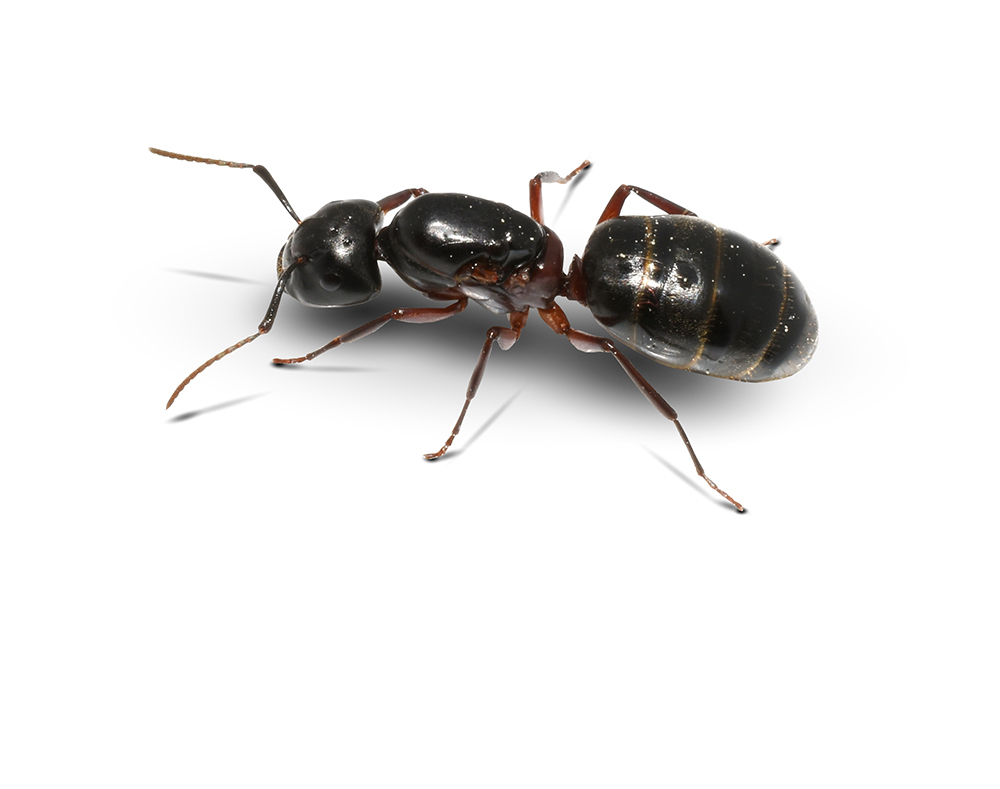
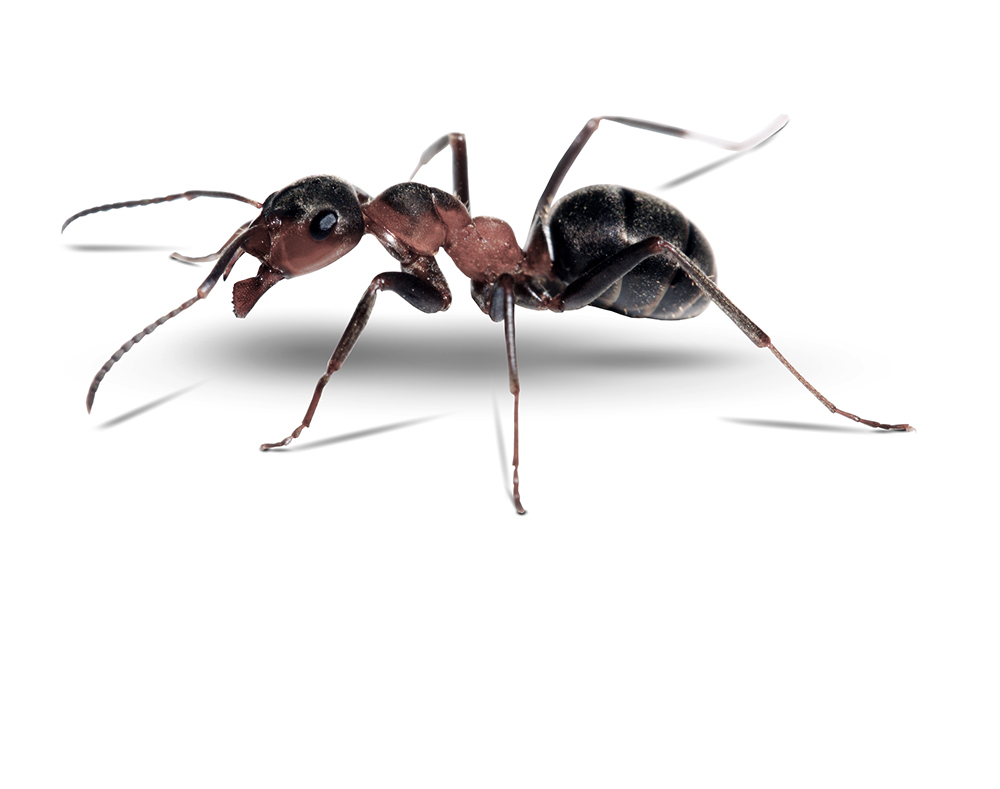
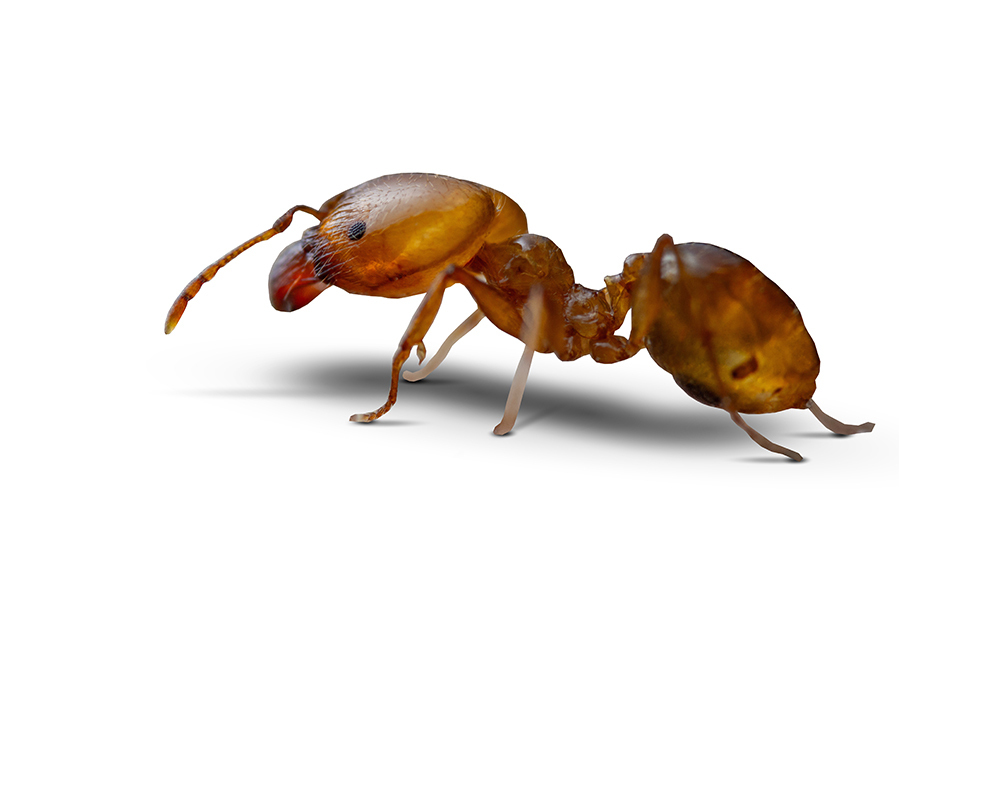
Other pests we deal with that often turn up in the same places.

Our friendly and knowledgeable team will be happy to help! Contact us to speak to a representative.
Every transaction is completely secure. We take your privacy seriously.
Pest problems wait for no one. That’s why you won’t have to wait long for us to take care of them.
We are bonded and insured to give our clients the peace of mind they deserve.
