
Fleas are tiny wingless insects, no more than about 3 mm long, and brown to almost black in colour. The body is flattened from side to side rather than top to bottom, which lets a flea slip easily between hairs and fibres, and it is covered in backward-facing bristles that make it hard to brush off. The back legs are long and powerful, built for jumping, and a flea can cover a surprising distance in one leap. The hard shiny shell is tough enough that fleas are difficult to crush between fingers. Eggs are pale, smooth and very small, and they fall off the animal into carpet, bedding and floor cracks. The larvae that hatch are pale, legless and worm-like, and they avoid light by working down into carpet pile and gaps.
Adults on the pet are a small part of what is in the building.
Fleas arrive on an animal. A dog or cat picks them up from a yard, a park, a boarding kennel, a groomer or contact with another animal, and the fleas come indoors with the pet. Wildlife matters too. Raccoons, squirrels, skunks and mice that den under a deck, in an attic or in a wall leave fleas behind, and those fleas will look for a new host once the animal moves on or is removed, which is why a home can get fleas without owning a pet. Warm indoor conditions let the life cycle run all year, so a problem that starts in summer does not stop when it gets cold. Carpet, area rugs, upholstery, pet bedding and gaps between floorboards give eggs and larvae everything they need.
For most people fleas are a serious nuisance rather than a serious health threat. Bites itch, and repeated scratching can break the skin and lead to infection. Some people and many animals develop an allergy to flea saliva, and in pets this causes hair loss, raw skin and real discomfort. Heavy infestations can leave young or small animals anaemic, and fleas can transmit tapeworm to pets that swallow them while grooming. Fleas are known carriers of certain diseases, though that is far less of a concern in Canadian homes than the biting and the allergic reaction. They cause no damage to the building itself. Nothing is chewed or stained, but an established infestation is persistent and spreads through soft furnishings.
Prevention on the pet and vacuuming in the home do most of the work.
We are licensed, insured and bonded, and we work in homes, apartments, condos and businesses across the Toronto GTA, Ottawa and Hamilton.
Usually from wildlife or rodents. Raccoons, squirrels, skunks and mice living under a deck or in an attic carry fleas, and when the animal leaves the fleas look for another host. Previous tenants with pets are another common source.
Pupae are protected inside a cocoon and emerge over a period of time, often triggered by vibration and warmth. Seeing a few adults after a treatment is expected. Continued vacuuming and a follow-up visit deal with them.
No, and treating the house alone does not fix the pet. Most of the population is eggs, larvae and pupae in carpet and bedding rather than adults on the animal. Both have to be handled at the same time.
Vacuum thoroughly and empty the vacuum outside, wash pet bedding, and clear floors so the areas we need to reach are accessible. We will give you the full instructions, including how long to stay out.
Not indoors. A heated home keeps the life cycle running through the winter, so an untreated infestation carries on whatever the weather outside.
Click the ant type to learn what to look for and why the right treatment plan matters.
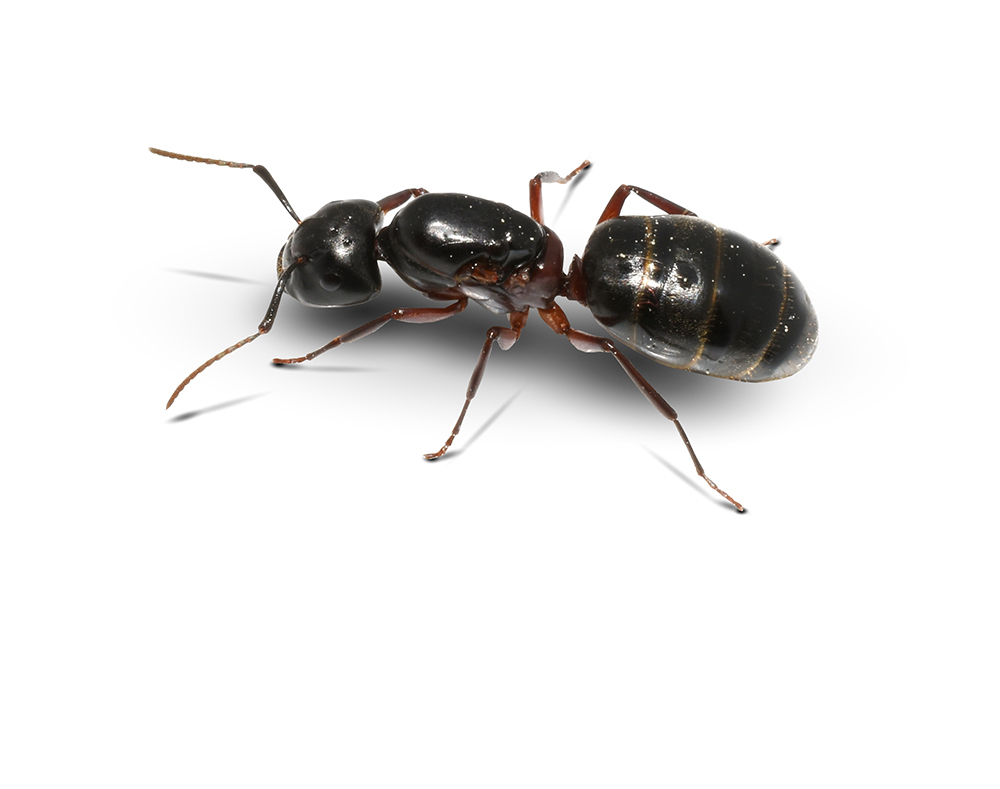
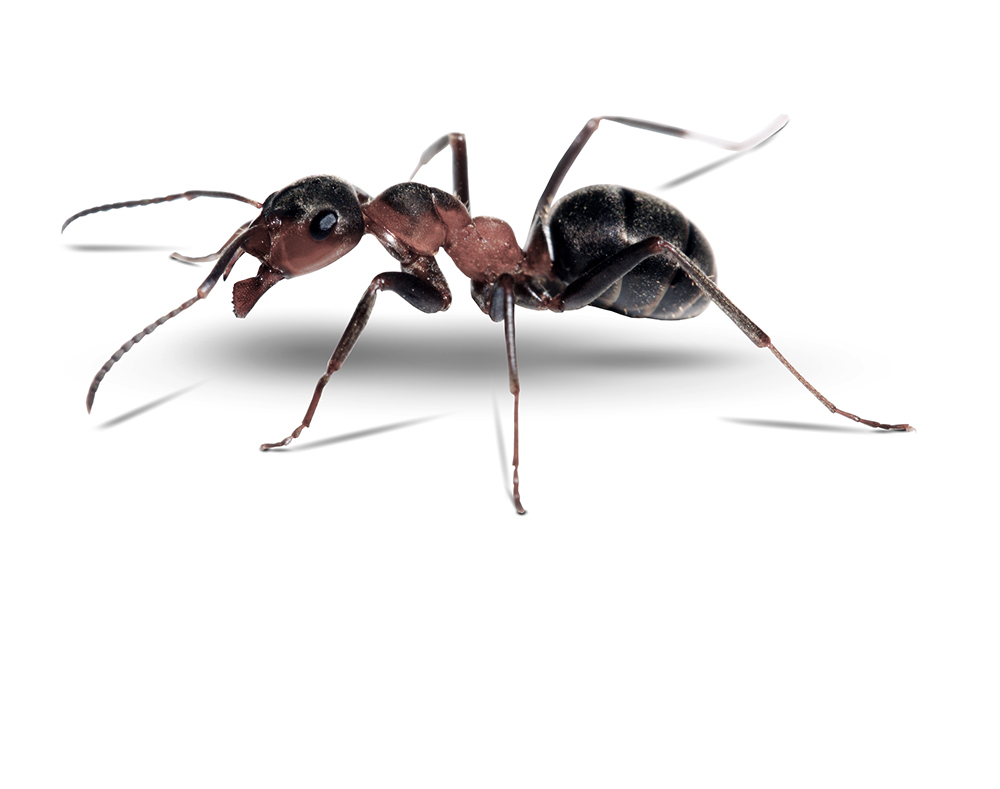
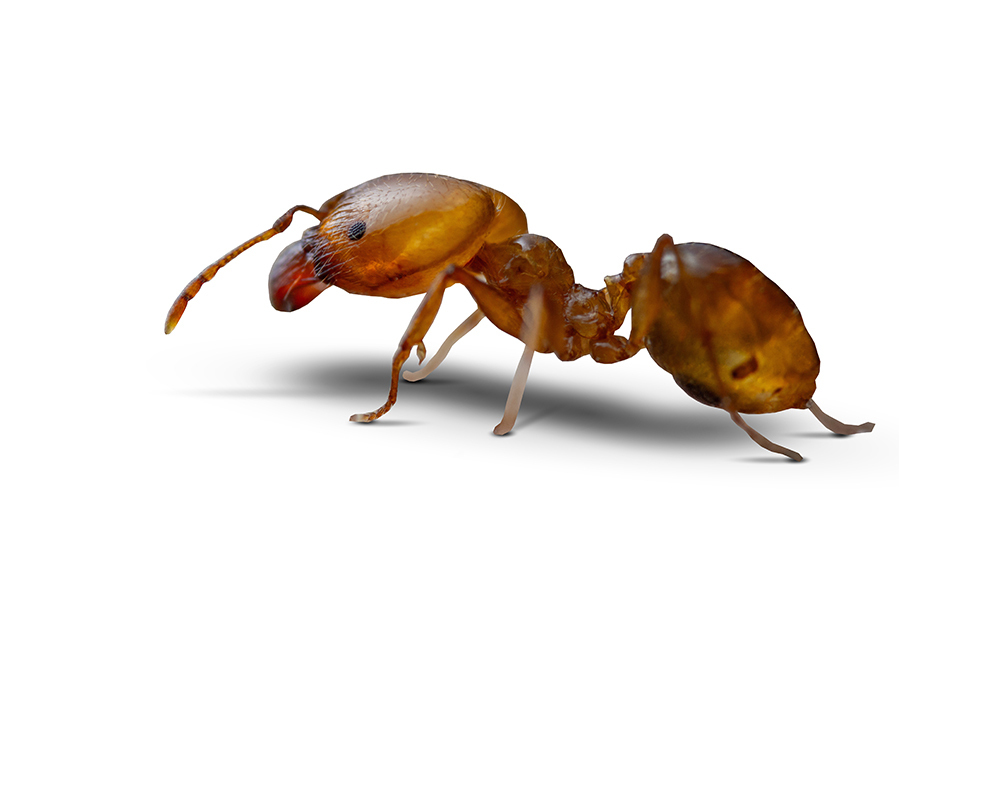
Other pests we deal with that often turn up in the same places.

Our friendly and knowledgeable team will be happy to help! Contact us to speak to a representative.
Every transaction is completely secure. We take your privacy seriously.
Pest problems wait for no one. That’s why you won’t have to wait long for us to take care of them.
We are bonded and insured to give our clients the peace of mind they deserve.
