GO! Pest Control logo
  • HOME
  • SERVICES
    • RESIDENTIAL PEST CONTROL
    • COMMERCIAL PEST CONTROL
    • PEST & WILDLIFE CONTROL
    • INSECT EXTERMINATION
    • BIRD CONTROL
    • ODOUR CONTROL SERVICES
  • AREAS WE SERVE
    • TORONTO (GTA)
    • OTTAWA (NCR)
    • HAMILTON
  • PEST ARCHIVE
    • ANTS
    • BED BUGS
    • COCROACHES
    • RODENTS
    • WILDLIFE
    • MORE PEST
  • Contact us
CALL NOW
866-467-3789
GET A FREE
ESTIMATE
CALL US NOW

Field ants

Pest profile

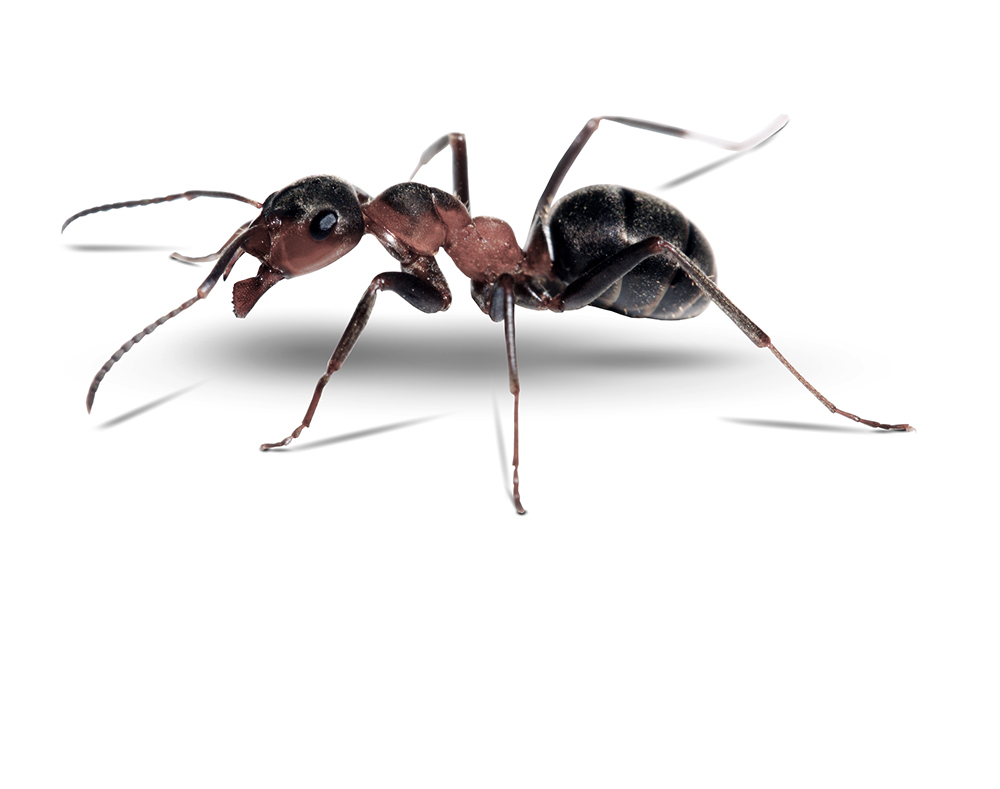
A field ant photographed close up, used on the GO! Pest Control pest library page
Field ant
Size: Adult worker 3 - 9.5 mm
Colour: Adult worker is red, brown or black
Description: Some species of Field ants enslave other ants. Thus it is common to find what appear to be two different kinds of ants in a nest. Field ants build large mounds in soil. They will not nest indoors. These ants prefer dead insects and sweet materials. They can become a pest when foraging indoors for food.

Field ants

What field ants look like

Field ants are the ants behind the soil mounds in a lawn. They are large for a yard ant, 3 to 9.5 mm long, and come in red, brown, black or a red and black combination, which leads many people to call them carpenter ants. The difference is the profile of the back. Seen from the side, a carpenter ant has a smooth, evenly rounded thorax, while a field ant has an uneven thorax with a clear dip in the middle. Field ants also have a single node on the waist and a circle of hairs at the tip of the abdomen. They build low mounds of loose soil and thatch in open sunny areas, sometimes 30 cm or more across, usually well away from paving.

Signs you have field ants

  • Soil mounds in the lawn. Low domes of fine soil and grass debris in sunny open ground, garden beds and along fence lines.
  • Large ants on patios and walkways. Big, fast ants foraging in the open during the day, often mistaken for carpenter ants.
  • Ants on shrubs and trees. Steady traffic up and down trunks and stems, where they are tending aphids for honeydew.
  • Occasional wanderers indoors. Single large ants turning up near doors and windows, rather than an organised trail in the kitchen.
  • Defensive behaviour. Disturb a mound and workers pour out, bite, and spray formic acid that stings on broken skin.

Why field ants come indoors

Field ants are an outdoor nuisance, not an indoor pest. They nest in soil in the open yard and feed mainly on honeydew from aphids plus other insects. They do not nest inside buildings and they do not damage structural wood. What you see indoors is almost always a stray forager that came in through an open door, a torn screen or a gap at a threshold, or a winged ant that swarmed nearby. The real complaints are outdoor ones: mounds that interfere with mowing, ants on a patio or play area, and painful bites when a mound is disturbed. If you have a persistent trail working a kitchen day after day, it is worth checking the identification, because that behaviour points to another species.

How to keep field ants out

  • Keep the lawn mowed and thatch under control, since mounds build up fastest in neglected turf.
  • Repair door sweeps and window screens so strays cannot walk in.
  • Manage aphids on shrubs, hedges and fruit trees to reduce the honeydew that supports large colonies.
  • Remove stones, boards and debris sitting on soil in the yard, which give colonies a sheltered start.
  • Leave a clear strip of gravel or bare soil between garden beds and the foundation, and keep mulch shallow.

How GO! Pest Control treats field ants

  • Inspection. We confirm it is a field ant and not a carpenter ant, map the mounds in the yard, and check which trees and shrubs are supporting them.
  • Treatment. We treat mounds directly and use exterior baiting where foraging trails are established, concentrating on the areas your household actually uses.
  • Follow-up. We return to check for new mounds, since untreated colonies nearby will move in to fill the space.
  • Advice. We explain what is realistic. Clearing every ant from a yard is not the goal. Removing mounds from lawns, patios and play areas is.

We are licensed, insured and bonded, and we work in homes, apartments, condos and businesses across the Toronto GTA, Ottawa and Hamilton.

Common questions about field ants

Are these carpenter ants in my lawn?

Almost certainly not. Carpenter ants nest in wood and have a smoothly rounded thorax in side view. Field ants nest in soil mounds and have an uneven thorax with a dip. We check this under magnification before treating.

Do field ants damage the lawn?

The mound itself smothers grass and gets in the way of mowing, but the ants do not feed on turf. Most damage is cosmetic and limited to the area right around the nest.

Do they bite?

Yes. They bite when a mound is disturbed and spray formic acid into the wound, which stings. It is a nuisance rather than a medical problem for most people.

Types of Ants

Click the ant type to learn what to look for and why the right treatment plan matters.
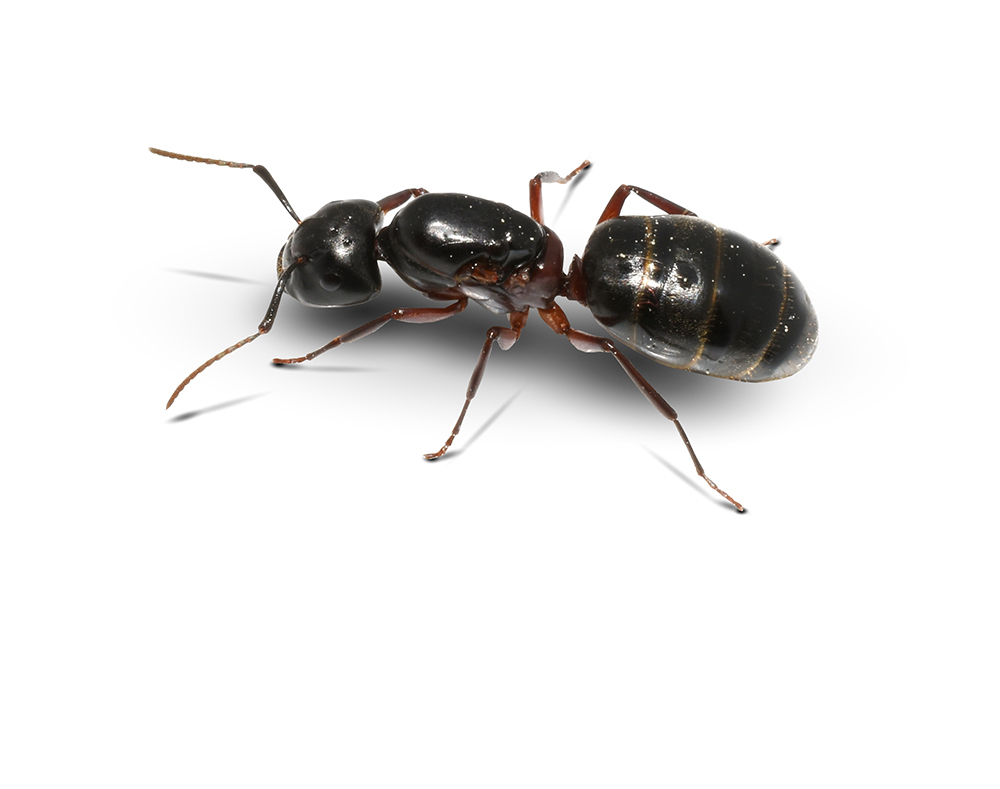
Carpenter ant
Pavement ant
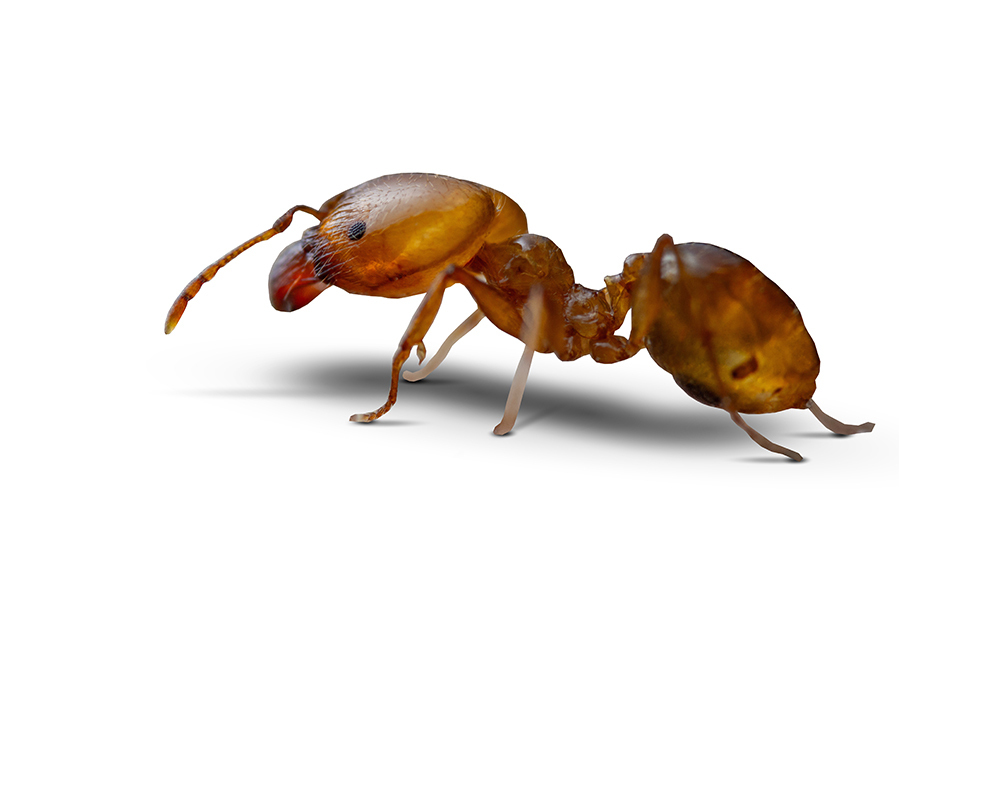
Pharaoh ant

Related Pests

Other pests we deal with that often turn up in the same places.

Types of Field ants

Subject: Field ants

SEND A QUICK MESSAGE

ROUND-UP YOUR Field ants PROBLEM.

We’re Standing-by to Help
18000
Satisfied clients
12
Awards in 2018, 2019, 2020
50
Years of combined experience
1000000+
Pests exterminated or relocated
AWARD-WINNING SUPPORT
Need Assistance?

Our friendly and knowledgeable team will be happy to help! Contact us to speak to a representative.

SECURED PAYMENT
Safe & easy

Every transaction is completely secure. We take your privacy seriously.

QUICK TURN-AROUND
We take fast action

Pest problems wait for no one. That’s why you won’t have to wait long for us to take care of them.

GO! PEST PROTECTION
Coverage with responsibility

We are bonded and insured to give our clients the peace of mind they deserve.

ABOUT US

GO! Pest Control logo

A team of highly trained Pest Control & Extermination experts, covering the entire Toronto GTA and Ottawa’s NCR. We take infestations as seriously as we do the environment and safety of humans & protected wildlife.

X-twitter Pinterest Youtube Instagram Linkedin

PEST ARCHIVE

  • ANTS
  • BED BUGS
  • COCKROACHES
  • RODENTS
  • WILDLIFE
  • MORE PEST
  • ANTS
  • BED BUGS
  • COCKROACHES
  • RODENTS
  • WILDLIFE
  • MORE PEST
  • ANTS
  • BED BUGS
  • COCKROACHES
  • RODENTS
  • WILDLIFE
  • MORE PEST
  • ANTS
  • BED BUGS
  • COCKROACHES
  • RODENTS
  • WILDLIFE
  • MORE PEST

OUR SERVICES

  • RESIDENTIAL PEST CONTROL
  • COMMERCIAL PEST CONTROL
  • PEST & WILDLIFE CONTROL
  • INSECT EXTERMINATION
  • BIRD CONTROL
  • RESIDENTIAL PEST CONTROL
  • COMMERCIAL PEST CONTROL
  • PEST & WILDLIFE CONTROL
  • INSECT EXTERMINATION
  • BIRD CONTROL
  • RESIDENTIAL PEST CONTROL
  • COMMERCIAL PEST CONTROL
  • PEST & WILDLIFE CONTROL
  • INSECT EXTERMINATION
  • BIRD CONTROL
  • RESIDENTIAL PEST CONTROL
  • COMMERCIAL PEST CONTROL
  • PEST & WILDLIFE CONTROL
  • INSECT EXTERMINATION
  • BIRD CONTROL

AREAS WE SERVE

  • OTTAWA (NCR)
  • TORONTO (GTA)
  • OTTAWA (NCR)
  • TORONTO (GTA)
  • OTTAWA (NCR)
  • TORONTO (GTA)
  • OTTAWA (NCR)
  • TORONTO (GTA)

GO! PEST CONTROL

  • About
  • Contact
  • Careers
  • Blog
  • Testimonials
  • About
  • Contact
  • Careers
  • Blog
  • Testimonials
  • About
  • Contact
  • Careers
  • Blog
  • Testimonials
  • About
  • Contact
  • Careers
  • Blog
  • Testimonials
  • Privacy Policy
  • Terms
  • Site Map
  • 866-806-9227
  • Privacy Policy
  • Terms
  • Site Map
  • 866-806-9227
  • Privacy Policy
  • Terms
  • Site Map
  • 866-806-9227
  • Privacy Policy
  • Terms
  • Site Map
  • 866-806-9227

© 2026 GO! Pest Control, Inc. All rights reserved.