
The Canada goose is a large waterfowl, with the biggest birds reaching about 122 cm in length and a wingspan well over a metre. The head, neck, bill, legs and eyes are black, and a broad white chinstrap runs up each cheek. The breast is light tan to pale grey, the back and wings are brown, and there is a white band at the base of the tail. Males and females look the same, although males are usually larger. Goslings are yellow and grey, and they follow the adults in a line. Flocks fly in the familiar V formation and call with a loud two note honk. On the ground, geese graze grass steadily and hold their necks high when disturbed.
Geese return to sites that worked for them, and a successful nesting season brings them back.
Canada geese want open, closely mown grass beside open water with clear sightlines, because it lets them graze while watching for danger. Modern development supplies that in quantity. Corporate campuses, stormwater management ponds, golf courses, school fields, parks, condominium lawns and waterfront promenades across Ottawa, the GTA and Hamilton are close to ideal. Mown lawns produce the young grass shoots they prefer, and the absence of ground predators in built up areas makes nesting safer than in the wild. Some geese migrate, but many now stay in southern and eastern Ontario year round where open water and food persist. Feeding by the public makes it worse, because fed birds lose their wariness and settle permanently.
Geese are not predators and they do not carry off anything, but they are large, strong and very protective. During nesting and while raising goslings, an adult will hiss, charge and strike with the wings, which can knock over a child or an older adult. That is the main personal safety concern, and it is worth taking seriously around schools, parks and building entrances. The larger day to day issue is volume. A grazing goose produces a great deal of droppings, which foul lawns, walkways, patios, playing fields and beaches, create a slipping hazard and contribute to water quality problems in ponds. Grazing also damages turf and new plantings. Geese are native migratory birds and are protected in Canada, so management focuses on making a site unattractive rather than on removal.
Changing the landscape is what works. Scaring birds off the same lawn every morning is not a plan.
We are licensed, insured and bonded, and we work in homes, apartments, condos and businesses across the Toronto GTA, Ottawa and Hamilton.
Yes. They are native migratory birds protected in Canada, and their nests and eggs are covered by federal rules. Work is limited to humane deterrence, habitat changes and permitted activity. We follow the rules and do not give legal advice.
Not at will. Nests and eggs of a protected species are subject to federal rules and may require a permit. Deterrence before the pair settles is the practical approach.
It is defence of a nest or goslings. Back away calmly, face the bird and keep children and dogs clear. The behaviour eases once the young are grown.
Only for a while. Geese habituate quickly to anything static or repetitive. Lasting results come from changing the habitat, particularly the grass and shoreline near water.
Adults moult their flight feathers once a year and are flightless for several weeks. During that period they stay close to water and are harder to move on.
Click the ant type to learn what to look for and why the right treatment plan matters.
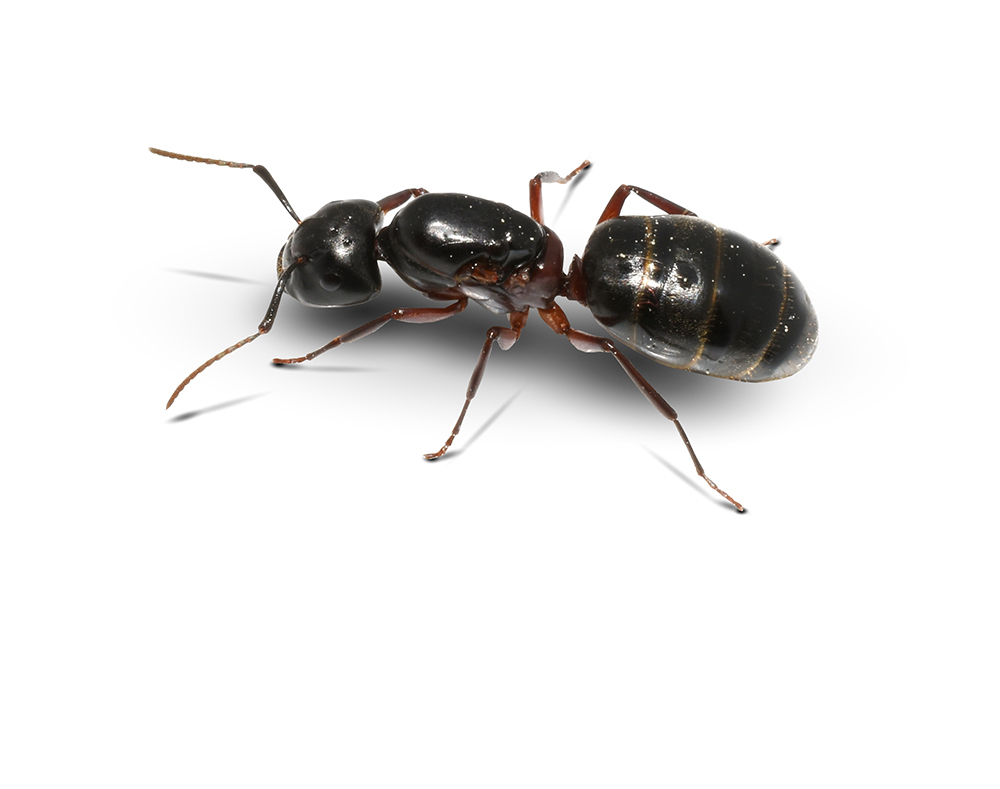
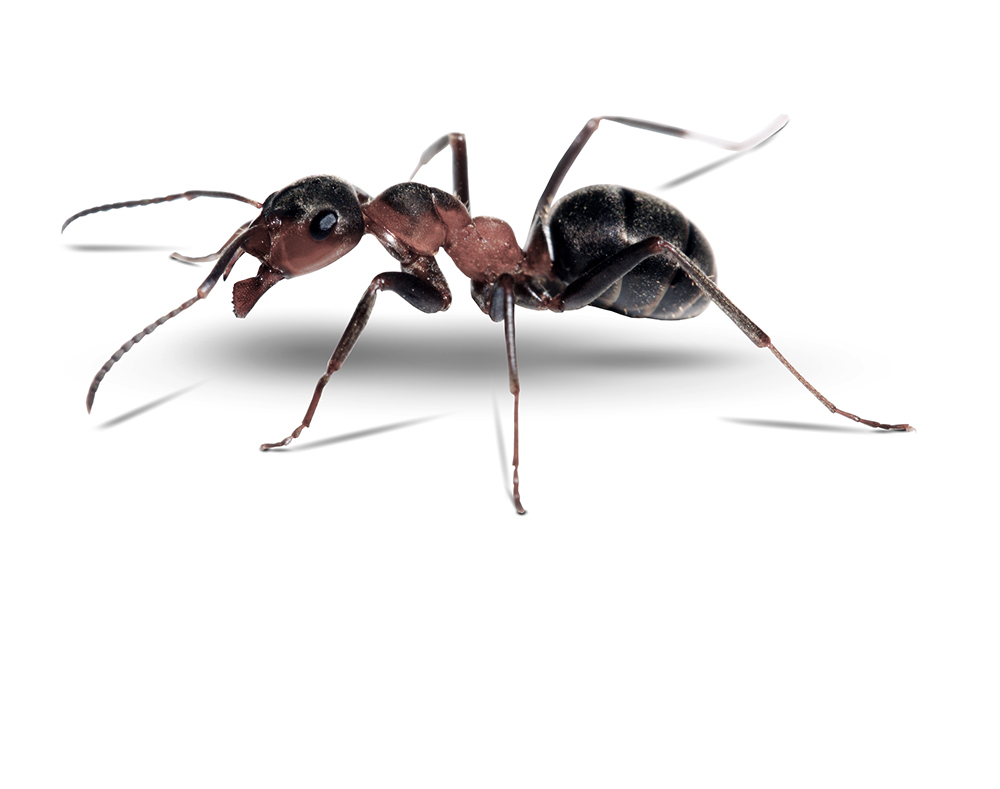
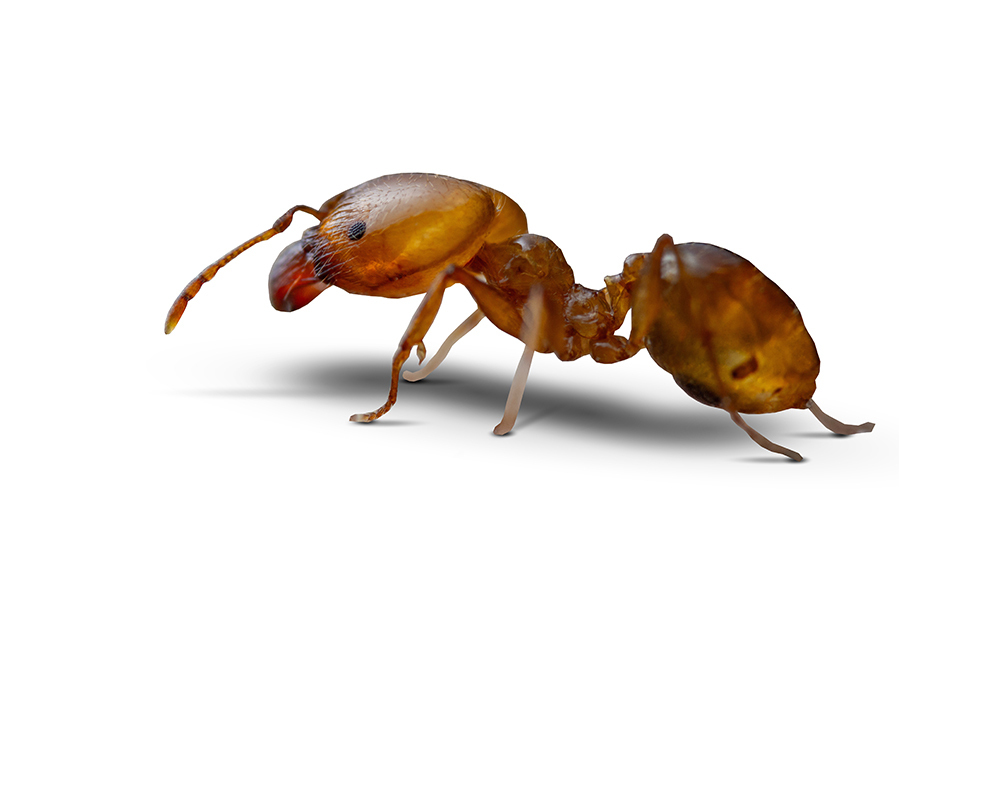
Other pests we deal with that often turn up in the same places.
Our friendly and knowledgeable team will be happy to help! Contact us to speak to a representative.
Every transaction is completely secure. We take your privacy seriously.
Pest problems wait for no one. That’s why you won’t have to wait long for us to take care of them.
We are bonded and insured to give our clients the peace of mind they deserve.
