GO! Pest Control logo
  • HOME
  • SERVICES
    • RESIDENTIAL PEST CONTROL
    • COMMERCIAL PEST CONTROL
    • PEST & WILDLIFE CONTROL
    • INSECT EXTERMINATION
    • BIRD CONTROL
    • ODOUR CONTROL SERVICES
  • AREAS WE SERVE
    • TORONTO (GTA)
    • OTTAWA (NCR)
    • HAMILTON
  • PEST ARCHIVE
    • ANTS
    • BED BUGS
    • COCROACHES
    • RODENTS
    • WILDLIFE
    • MORE PEST
  • Contact us
CALL NOW
866-467-3789
GET A FREE
ESTIMATE
CALL US NOW

Bumble bee

Pest profile

A bumble bee photographed close up, used on the GO! Pest Control pest library page
Bumble bee

What bumble bees look like

Bumble bees are the large, round, heavily furred bees most people picture when they think of a bee. Workers vary a lot in size within the same nest, from roughly 10 mm up to 22 mm, and queens are larger still. The body is covered in dense hair banded in black and yellow, with orange, white or reddish bands depending on the species, and the whole insect looks soft rather than sleek. The hind legs of a worker carry a smooth, shiny pollen basket, often loaded with a bright yellow or orange lump. Flight is slow, low and noisy compared with a honey bee.

Signs you have bumble bees

  • Low ground traffic. A steady trickle of large bees going in and out of a single hole in a lawn, bank or garden bed.
  • Nesting under structures. Bees entering a gap beneath a shed floor, deck, step or garden box rather than flying to flowers.
  • Cavity nesting. Activity at a soffit corner, wall vent, compost bin or a stack of insulation in a garage or outbuilding.
  • Buzzing in a void. A muffled hum from a wall or floor cavity, typically softer and more intermittent than a honey bee colony.
  • Defensive flights. One or two bees rising to circle a person mowing or working within a metre or two of the nest entrance.
  • Seasonal build. Very little activity in spring, then noticeably more bees at the same entrance through July and August.

Colonies stay small, so a handful of bees at one hole is normal rather than a sign of an infestation.

Why bumble bees turn up around Ottawa and Toronto properties

A bumble bee colony starts with a single queen who overwinters in soil or leaf litter and goes looking for a nest site in spring. She wants a small, dry, insulated cavity at or below ground level, and that is exactly what our properties supply. Abandoned mouse and vole burrows are the classic choice. After that come the gaps under sheds, decks, porch steps, patio slabs and garden boxes, the spaces behind loose siding, compost heaps, stored insulation, and old bird boxes. Gardens across Ottawa, the Toronto GTA and Hamilton offer long, overlapping bloom from crocus through to aster, which keeps a colony supplied all season. Because bumble bees forage in cool, damp and dim conditions, they do well in our variable spring and shoulder seasons.

Are bumble bees dangerous?

Bumble bees are among the most valuable insects in an Ontario garden, and they are not naturally aggressive. They have a smooth stinger and can sting more than once, but they do so only when the nest is threatened or when a bee is pressed against skin or caught in clothing. Away from the nest they will ignore you entirely, even at arm’s length on a flower. The genuine concerns are narrow: anyone with a sting allergy, a nest under a step or in a lawn that gets mowed, and children or pets playing directly over an entrance. They cause no structural damage. Bumble bees do not chew wood, do not build large paper nests and do not store honey in volume, so nothing is left in a wall to stain or rot.

How to keep bumble bees away

  • Close the small ground level gaps around shed bases, deck skirting, porch steps and patio edges before the queens search in April and May.
  • Fill in old rodent burrows in lawns and garden beds, and tamp the soil so the cavity does not simply reopen.
  • Keep compost turned and contained, and avoid leaving loose insulation, straw or fabric stored in open outbuildings.
  • Screen wall vents, soffit corners and any open gaps in siding with fine mesh that still allows airflow.
  • Clear and clean old bird boxes each spring, since an abandoned nest full of dry material is an ideal cavity.
  • Site flowering borders, clover patches and water features away from doorways, play areas and the main run of the lawn.

Blocking the cavity in early spring is far easier than dealing with a colony in August.

How GO! Pest Control handles bumble bees

  • Inspection. We confirm the species, trace the entrance to the real nest cavity, and judge how close the colony is to the way you use the property.
  • Relocation. Bumble bees are important pollinators, so we prefer relocation or leaving the colony undisturbed until it dies back naturally, rather than destroying it.
  • Treatment. Where a nest sits in a doorway, a step, a play area or a workplace and cannot be left or moved safely, we treat it with the proper equipment and protective gear.
  • Repairs advice. We identify the ground level gaps, vents and voids that allowed nesting and tell you exactly what to seal, screen or fill once the colony is gone.
  • Follow-up. We check back that traffic has stopped, that the cavity is properly closed and that no second nest has started nearby.

We are licensed, insured and bonded, and we work in homes, apartments, condos and businesses across the Toronto GTA, Ottawa and Hamilton.

Common questions about bumble bees

Should a bumble bee nest be destroyed?

Usually not. Bumble bees are strong pollinators, the colony is small, and it dies out on its own in late autumn. We recommend leaving or relocating a nest wherever it is practical, and we treat only when the location puts people at real risk.

How big does a bumble bee colony get?

Far smaller than a honey bee hive. A bumble bee nest typically holds a few dozen to a few hundred bees at its peak in late summer, which is why traffic at the entrance stays light.

Will they come back to the same spot next year?

The colony itself does not survive the winter and the old nest is not reused. A new queen may pick the same attractive cavity though, so sealing the gap after the season is what stops it happening again.

Do bumble bees damage wood or walls?

No. They use an existing cavity and do not bore into timber. That is carpenter bee behaviour, and the two are easy to confuse at a glance because they are a similar size.

The nest is under my front step. What now?

That is one of the situations worth acting on, because people pass within a metre several times a day. Call us, keep the area quiet in the meantime, and do not try to block the entrance while bees are inside.

Types of Ants

Click the ant type to learn what to look for and why the right treatment plan matters.
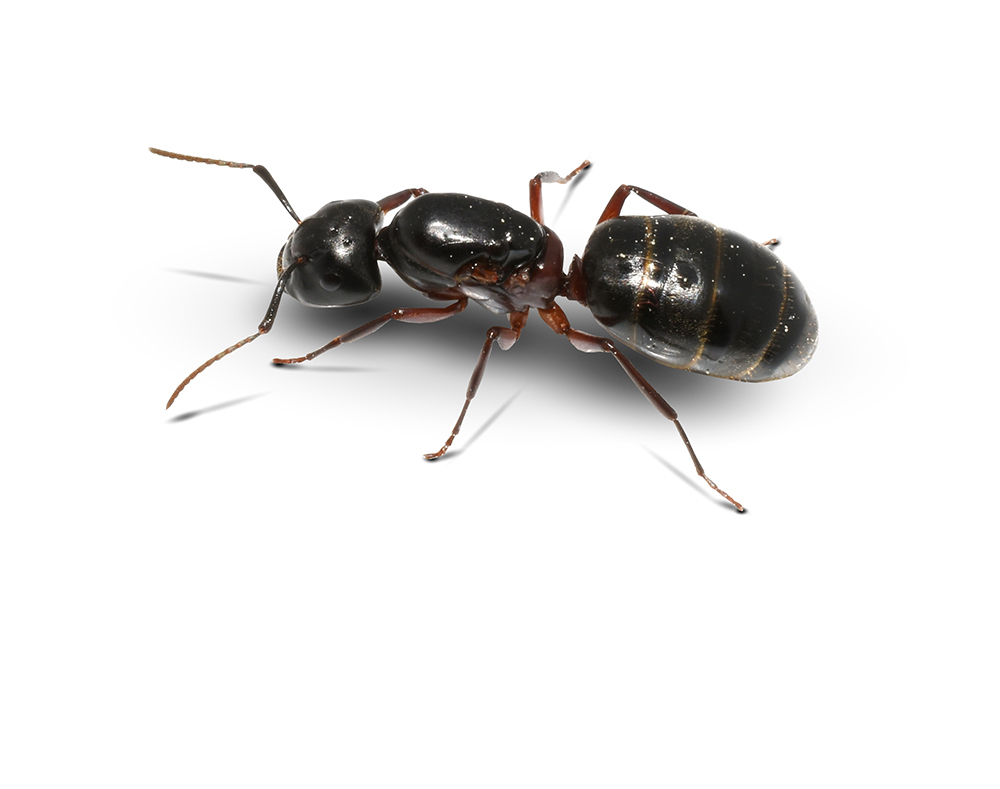
Carpenter ant
Pavement ant
Pharaoh ant

Related Pests

Other pests we deal with that often turn up in the same places.

Types of Bumble bee

Subject: Bumble bee

SEND A QUICK MESSAGE

ROUND-UP YOUR Bumble bee PROBLEM.

We’re Standing-by to Help
18000
Satisfied clients
12
Awards in 2018, 2019, 2020
50
Years of combined experience
1000000+
Pests exterminated or relocated
AWARD-WINNING SUPPORT
Need Assistance?

Our friendly and knowledgeable team will be happy to help! Contact us to speak to a representative.

SECURED PAYMENT
Safe & easy

Every transaction is completely secure. We take your privacy seriously.

QUICK TURN-AROUND
We take fast action

Pest problems wait for no one. That’s why you won’t have to wait long for us to take care of them.

GO! PEST PROTECTION
Coverage with responsibility

We are bonded and insured to give our clients the peace of mind they deserve.

ABOUT US

GO! Pest Control logo

A team of highly trained Pest Control & Extermination experts, covering the entire Toronto GTA and Ottawa’s NCR. We take infestations as seriously as we do the environment and safety of humans & protected wildlife.

X-twitter Pinterest Youtube Instagram Linkedin

PEST ARCHIVE

  • ANTS
  • BED BUGS
  • COCKROACHES
  • RODENTS
  • WILDLIFE
  • MORE PEST
  • ANTS
  • BED BUGS
  • COCKROACHES
  • RODENTS
  • WILDLIFE
  • MORE PEST
  • ANTS
  • BED BUGS
  • COCKROACHES
  • RODENTS
  • WILDLIFE
  • MORE PEST
  • ANTS
  • BED BUGS
  • COCKROACHES
  • RODENTS
  • WILDLIFE
  • MORE PEST

OUR SERVICES

  • RESIDENTIAL PEST CONTROL
  • COMMERCIAL PEST CONTROL
  • PEST & WILDLIFE CONTROL
  • INSECT EXTERMINATION
  • BIRD CONTROL
  • RESIDENTIAL PEST CONTROL
  • COMMERCIAL PEST CONTROL
  • PEST & WILDLIFE CONTROL
  • INSECT EXTERMINATION
  • BIRD CONTROL
  • RESIDENTIAL PEST CONTROL
  • COMMERCIAL PEST CONTROL
  • PEST & WILDLIFE CONTROL
  • INSECT EXTERMINATION
  • BIRD CONTROL
  • RESIDENTIAL PEST CONTROL
  • COMMERCIAL PEST CONTROL
  • PEST & WILDLIFE CONTROL
  • INSECT EXTERMINATION
  • BIRD CONTROL

AREAS WE SERVE

  • OTTAWA (NCR)
  • TORONTO (GTA)
  • OTTAWA (NCR)
  • TORONTO (GTA)
  • OTTAWA (NCR)
  • TORONTO (GTA)
  • OTTAWA (NCR)
  • TORONTO (GTA)

GO! PEST CONTROL

  • About
  • Contact
  • Careers
  • Blog
  • Testimonials
  • About
  • Contact
  • Careers
  • Blog
  • Testimonials
  • About
  • Contact
  • Careers
  • Blog
  • Testimonials
  • About
  • Contact
  • Careers
  • Blog
  • Testimonials
  • Privacy Policy
  • Terms
  • Site Map
  • 866-806-9227
  • Privacy Policy
  • Terms
  • Site Map
  • 866-806-9227
  • Privacy Policy
  • Terms
  • Site Map
  • 866-806-9227
  • Privacy Policy
  • Terms
  • Site Map
  • 866-806-9227

© 2026 GO! Pest Control, Inc. All rights reserved.