GO! Pest Control logo
  • HOME
  • SERVICES
    • RESIDENTIAL PEST CONTROL
    • COMMERCIAL PEST CONTROL
    • PEST & WILDLIFE CONTROL
    • INSECT EXTERMINATION
    • BIRD CONTROL
    • ODOUR CONTROL SERVICES
  • AREAS WE SERVE
    • TORONTO (GTA)
    • OTTAWA (NCR)
    • HAMILTON
  • PEST ARCHIVE
    • ANTS
    • BED BUGS
    • COCROACHES
    • RODENTS
    • WILDLIFE
    • MORE PEST
  • Contact us
CALL NOW
866-467-3789
GET A FREE
ESTIMATE
CALL US NOW

Bees

Pest profile

A honey bee photographed close up, used on the GO! Pest Control pest library page
The BEE
Size: 11-22 mm
Colour: Yellow, black and brown
Description: Bees like wasp and hornets have chewing mouth parts, the females possess a stinger. Only Honey bees have Barbed stingers which can only be used once.

THE BEES!

BY THE TIME YOU NOTICE, THEY’VE ALREADY SETTLED IN.

What bees look like

Bees in Ontario range from about 11 to 22 mm and come in yellow, black, brown and sometimes metallic green or blue. The feature that separates them from wasps is hair. A bee looks fuzzy, carries a rounded body and has thickened hind legs or a hairy underside for carrying pollen. Honey bees are slim, amber and brown banded, and about 12 mm long. Bumble bees are large, round and densely furred in black and yellow. Carpenter bees are similar in size to bumble bees but the top of the abdomen is bare, shiny and black. Mining bees and sweat bees are smaller and often solitary. Only honey bees have a barbed stinger that stays behind, which means a honey bee can sting once. Other bees can sting more than once but rarely choose to.

Signs you have bees

  • Steady flight lines. Bees travelling the same path in and out of one point on a wall, soffit, vent or eave throughout the day.
  • Humming in a wall. A low continuous hum from a wall cavity, ceiling or chimney that gets louder in warm weather.
  • Ground level traffic. Bees entering a hole in a lawn, a gap under a shed or a space beneath patio stones.
  • Round holes in wood. Clean bores about 1 cm across in fascia, deck rails or siding, with coarse sawdust below, which points to carpenter bees.
  • Wax or staining. Yellow or brown seepage on interior drywall or ceilings, and a faint sweet smell, which suggests an established honey bee colony.
  • A hanging cluster. A dense ball of bees on a branch, fence post or railing, which is usually a honey bee swarm looking for a new home.

Identifying the species first matters, because the right response is different for each one.

Why bees turn up around Ottawa and Toronto properties

Bees follow flowers and shelter. Ottawa, the Toronto GTA and Hamilton all offer long flowering seasons in gardens, parks, boulevards and naturalized areas, so foraging is easy across the whole urban area. Nesting is where properties come in. Honey bee swarms move in late spring and early summer and look for a dry, enclosed cavity, which a wall void, soffit, chimney or shed roof provides perfectly. Bumble bees prefer an insulated cavity near ground level, such as an old rodent burrow, a compost heap, a space under a shed or the gap behind a deck board. Carpenter bees want exposed, unpainted softwood, so decks, pergolas, fascia and railings on older homes draw them in.

Are bees dangerous?

For most people, bees are far less of a threat than their reputation suggests. They sting in defence of a nest or when trapped against skin, not to attack. The exception is anyone with a sting allergy, for whom a single sting can be a medical emergency, and anyone who disturbs a large honey bee colony at close range. The property risk depends on the species. Most bees do no structural damage at all. Carpenter bees are the exception, because they bore galleries into wood and expand them year after year, and woodpeckers often open those galleries up further. Bees are also essential pollinators, which is why destroying a colony should be the last option rather than the first.

How to keep bees away

  • Seal gaps in siding, soffit, fascia and brick weep holes, and fit proper screens on roof, attic and dryer vents.
  • Cap unused chimneys and flues, since an open flue is one of the most common honey bee entry points.
  • Paint, stain or seal exposed softwood on decks, pergolas, railings and trim to make it unattractive to carpenter bees.
  • Fill old rodent burrows, close gaps under sheds and decks, and keep compost heaps tidy so ground cavities are not available.
  • Move heavily flowering plants and water features away from doors, patios and play areas rather than removing them.

The aim is to keep bees out of the structure while leaving them free to work the garden.

How GO! Pest Control handles bees

  • Inspection. We identify the species and find the true nest location, which is often several feet from the visible entry point, and we assess the risk to the people using the space.
  • Relocation. Honey bees and bumble bees are pollinators, and we prefer relocation or leaving the colony in place over destruction wherever the situation allows it.
  • Treatment. Where a nest sits in a high traffic area and cannot be moved safely, we treat it with the correct product and protective equipment, and we treat carpenter bee galleries directly.
  • Repairs advice. We show you the entry points, gaps and bare wood that need sealing, filling or painting, and we screen or close them where that is part of the job.
  • Follow-up. We return to confirm the activity has stopped, check for returning foragers and deal with any residual comb or debris concerns.

We are licensed, insured and bonded, and we work in homes, apartments, condos and businesses across the Toronto GTA, Ottawa and Hamilton.

Common questions about bees

Will you destroy a honey bee colony?

Not as a first step. Honey bees are pollinators and we prefer relocation or leaving them alone where the situation allows it. We only treat when the colony is in a place that puts people at genuine risk and cannot be moved safely.

How do I tell a bee from a wasp?

Look for hair. Bees are fuzzy with rounded bodies and thick hind legs. Wasps and hornets are smooth, shiny and narrow-waisted. Wasps also hover around food and bins, while bees stay on flowers.

There is a cluster of bees on my tree. What is it?

That is most likely a honey bee swarm resting while scouts look for a cavity. Swarming bees are usually calm. Keep people back, avoid spraying it, and call us so it can be dealt with properly.

Do I need to remove the honeycomb from my wall?

If an established honey bee colony has been inside a wall, yes. Left behind, wax and honey can stain drywall, seep through ceilings and draw in other insects and rodents.

Are bees in my lawn a problem?

Usually not. Small solitary bees nesting in thin, dry turf are harmless and short-lived, and they improve the garden. If the nest sits where children or pets play, we can look at it with you.

Types of Ants

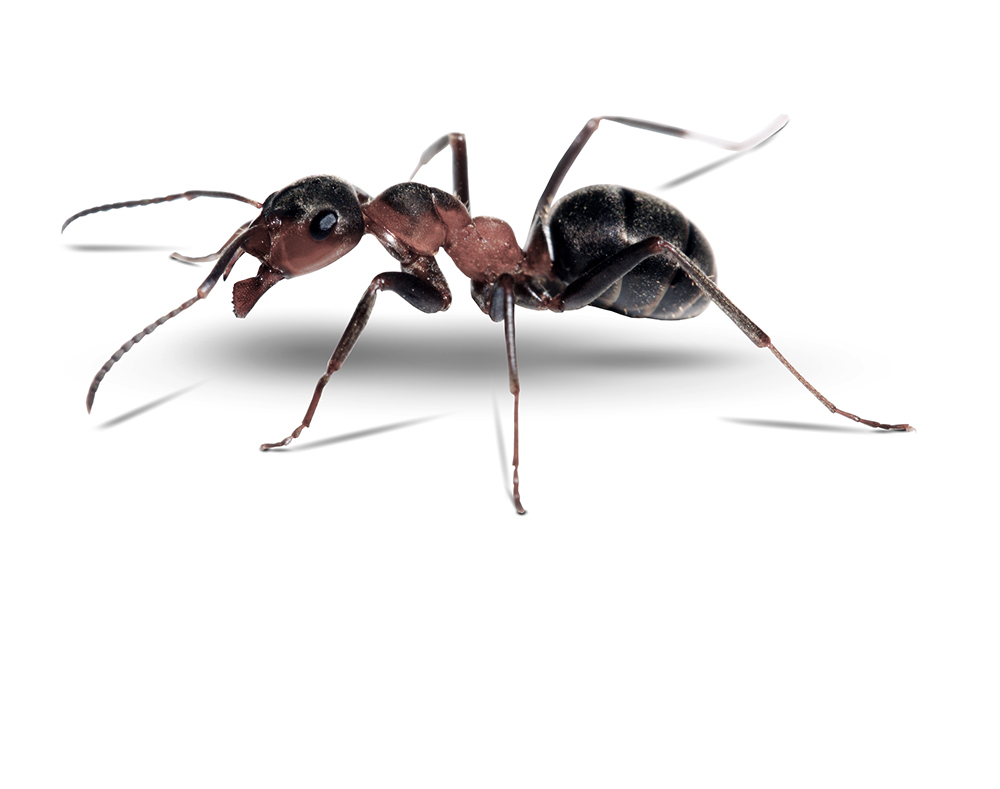
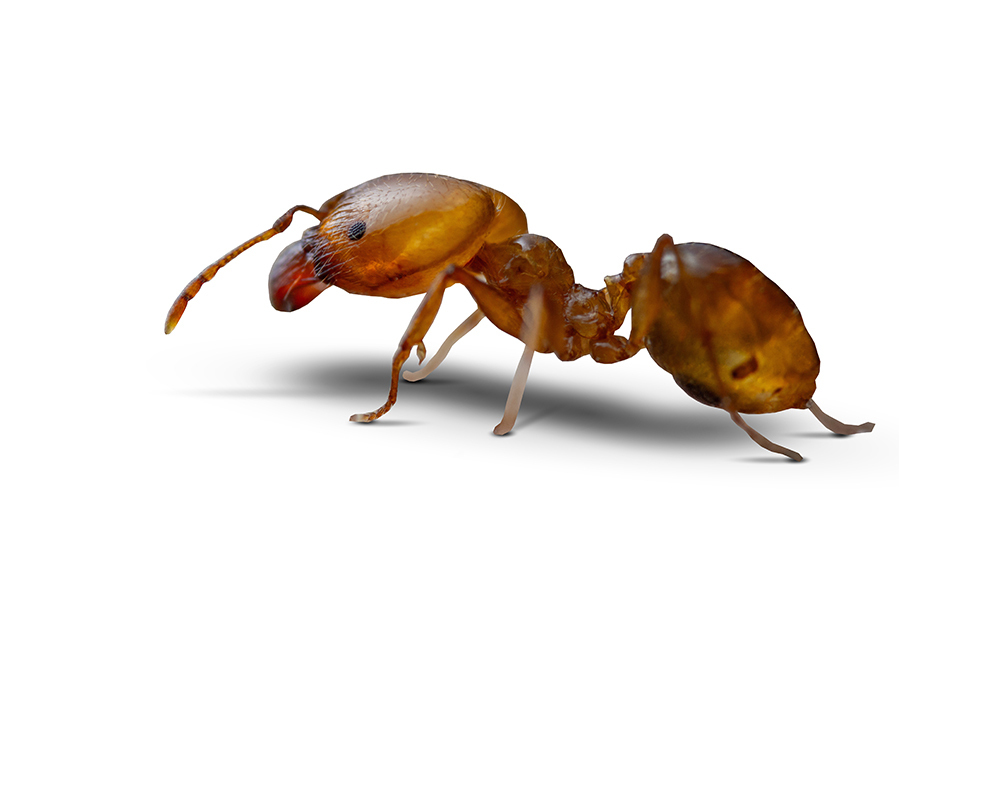
Click the ant type to learn what to look for and why the right treatment plan matters.
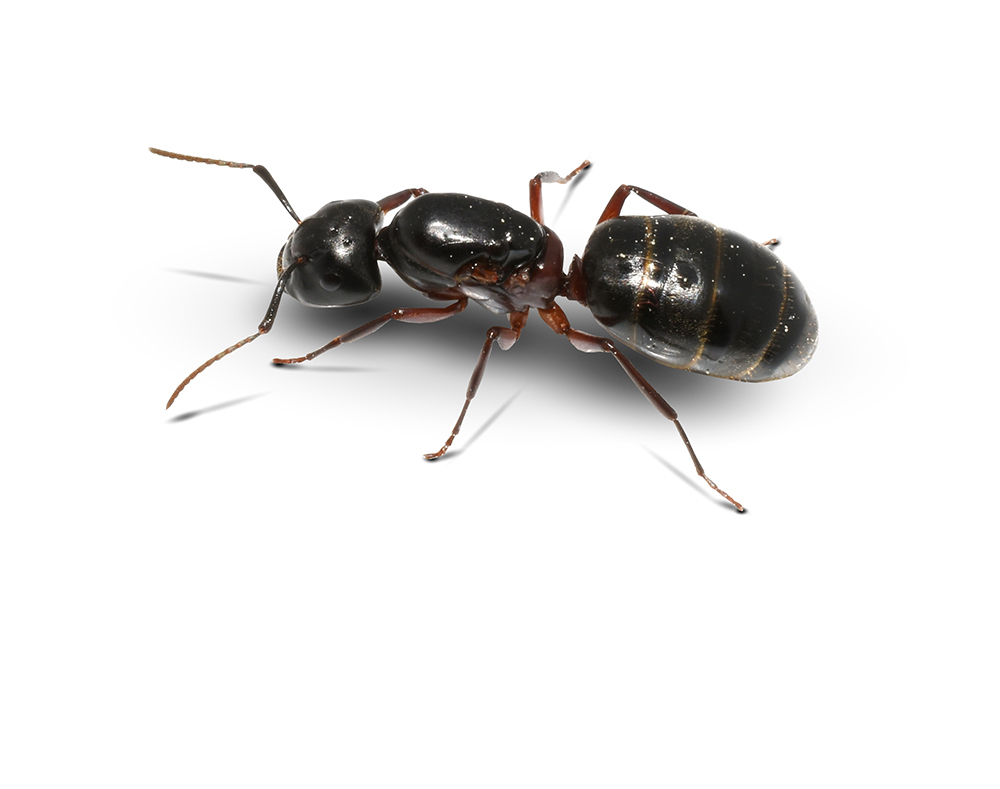
Carpenter ant
Pavement ant
Pharaoh ant

Related Pests

Other pests we deal with that often turn up in the same places.

Types of Bees
Bee

Subject: Bees

SEND A QUICK MESSAGE

ROUND-UP YOUR Bees PROBLEM.

We’re Standing-by to Help
18000
Satisfied clients
12
Awards in 2018, 2019, 2020
50
Years of combined experience
1000000+
Pests exterminated or relocated
AWARD-WINNING SUPPORT
Need Assistance?

Our friendly and knowledgeable team will be happy to help! Contact us to speak to a representative.

SECURED PAYMENT
Safe & easy

Every transaction is completely secure. We take your privacy seriously.

QUICK TURN-AROUND
We take fast action

Pest problems wait for no one. That’s why you won’t have to wait long for us to take care of them.

GO! PEST PROTECTION
Coverage with responsibility

We are bonded and insured to give our clients the peace of mind they deserve.

ABOUT US

GO! Pest Control logo

A team of highly trained Pest Control & Extermination experts, covering the entire Toronto GTA and Ottawa’s NCR. We take infestations as seriously as we do the environment and safety of humans & protected wildlife.

X-twitter Pinterest Youtube Instagram Linkedin

PEST ARCHIVE

  • ANTS
  • BED BUGS
  • COCKROACHES
  • RODENTS
  • WILDLIFE
  • MORE PEST
  • ANTS
  • BED BUGS
  • COCKROACHES
  • RODENTS
  • WILDLIFE
  • MORE PEST
  • ANTS
  • BED BUGS
  • COCKROACHES
  • RODENTS
  • WILDLIFE
  • MORE PEST
  • ANTS
  • BED BUGS
  • COCKROACHES
  • RODENTS
  • WILDLIFE
  • MORE PEST

OUR SERVICES

  • RESIDENTIAL PEST CONTROL
  • COMMERCIAL PEST CONTROL
  • PEST & WILDLIFE CONTROL
  • INSECT EXTERMINATION
  • BIRD CONTROL
  • RESIDENTIAL PEST CONTROL
  • COMMERCIAL PEST CONTROL
  • PEST & WILDLIFE CONTROL
  • INSECT EXTERMINATION
  • BIRD CONTROL
  • RESIDENTIAL PEST CONTROL
  • COMMERCIAL PEST CONTROL
  • PEST & WILDLIFE CONTROL
  • INSECT EXTERMINATION
  • BIRD CONTROL
  • RESIDENTIAL PEST CONTROL
  • COMMERCIAL PEST CONTROL
  • PEST & WILDLIFE CONTROL
  • INSECT EXTERMINATION
  • BIRD CONTROL

AREAS WE SERVE

  • OTTAWA (NCR)
  • TORONTO (GTA)
  • OTTAWA (NCR)
  • TORONTO (GTA)
  • OTTAWA (NCR)
  • TORONTO (GTA)
  • OTTAWA (NCR)
  • TORONTO (GTA)

GO! PEST CONTROL

  • About
  • Contact
  • Careers
  • Blog
  • Testimonials
  • About
  • Contact
  • Careers
  • Blog
  • Testimonials
  • About
  • Contact
  • Careers
  • Blog
  • Testimonials
  • About
  • Contact
  • Careers
  • Blog
  • Testimonials
  • Privacy Policy
  • Terms
  • Site Map
  • 866-806-9227
  • Privacy Policy
  • Terms
  • Site Map
  • 866-806-9227
  • Privacy Policy
  • Terms
  • Site Map
  • 866-806-9227
  • Privacy Policy
  • Terms
  • Site Map
  • 866-806-9227

© 2026 GO! Pest Control, Inc. All rights reserved.