
Bats are small mammals, and the species found in Ontario buildings usually weigh only 3 to 20 g with a body 79 to 130 mm long. The fur is grey or brown, the ears are rounded and the face is small and mouse-like. What sets them apart is the wing, a thin membrane of skin stretched between very long finger bones. Bats are the only mammals capable of true flight. At rest they tuck themselves into tight crevices and can squeeze through gaps smaller than a thumb. They roost in tree hollows, rock crevices and buildings, and they hunt flying insects after dusk using echolocation. In flight the movement is fluttering and irregular, not the direct line a bird takes.
Watching an evening emergence tells you more than any amount of searching indoors.
Bats are not after food inside a building. They want a warm, dry, undisturbed space to roost, and an attic or soffit cavity holds heat well, which matters a great deal to females raising young. Colonies gather in late spring to form maternity roosts, stay through the summer while the pups grow, and disperse in late summer and early autumn. The openings they use are small. A gap where the soffit meets the roof, a lifted shingle, an unscreened vent, a chimney without a cap, a space behind fascia or loose flashing is enough. Older buildings with settled joints are the usual candidates. Once a roost is established, bats show strong loyalty to the site and return to the same building year after year.
Bats do not attack people and are not interested in them. They are valuable insect predators and take large numbers of mosquitoes and moths every night. The health concerns are real but specific. Bats in Ontario can carry rabies, and because a bat bite or scratch can be hard to notice, any direct contact, or finding a bat in a room where someone was sleeping or a child was unattended, should be discussed with a doctor or public health right away. Do not handle a bat with bare hands. Accumulated droppings in a long-used roost can also support a fungus associated with respiratory illness, so cleanup needs proper protection. For the building, the damage is mostly contamination. Droppings and urine soak insulation, stain ceilings and produce persistent odour rather than structural harm.
Timing matters as much as sealing when bats are involved.
We are licensed, insured and bonded, and we work in homes, apartments, condos and businesses across the Toronto GTA, Ottawa and Hamilton.
Do not handle it with bare hands. Close the interior doors, open a window and let it leave if it can. If there was any contact, or if it was found in a room with someone sleeping or a young child, speak to a doctor or public health promptly.
During maternity season the young cannot fly, so a one-way exclusion would separate them from the adults and leave them to die in the structure. Bats are protected in Ontario. Exclusion is scheduled for the part of the year when it can be done properly.
No. Exclusion works by letting the colony fly out to feed as normal and preventing their return. The animals are not trapped, handled or destroyed, and the building is sealed once it is confirmed empty.
A small amount can be handled with gloves and a fitted mask, dampened first rather than swept dry. A heavy accumulation in an attic is better handled with proper protective equipment.
Bats return to a roost site reliably, which is why sealing every opening matters more than closing the obvious one. Once the building is sealed, returning bats find no way in and move on.
Click the ant type to learn what to look for and why the right treatment plan matters.
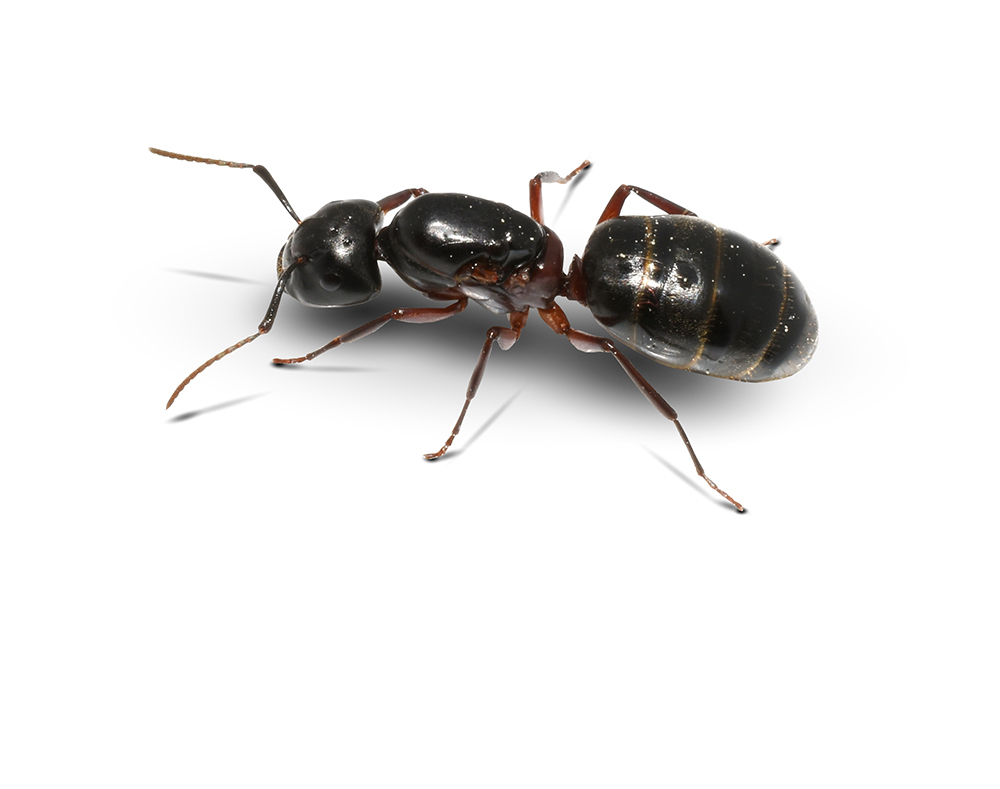
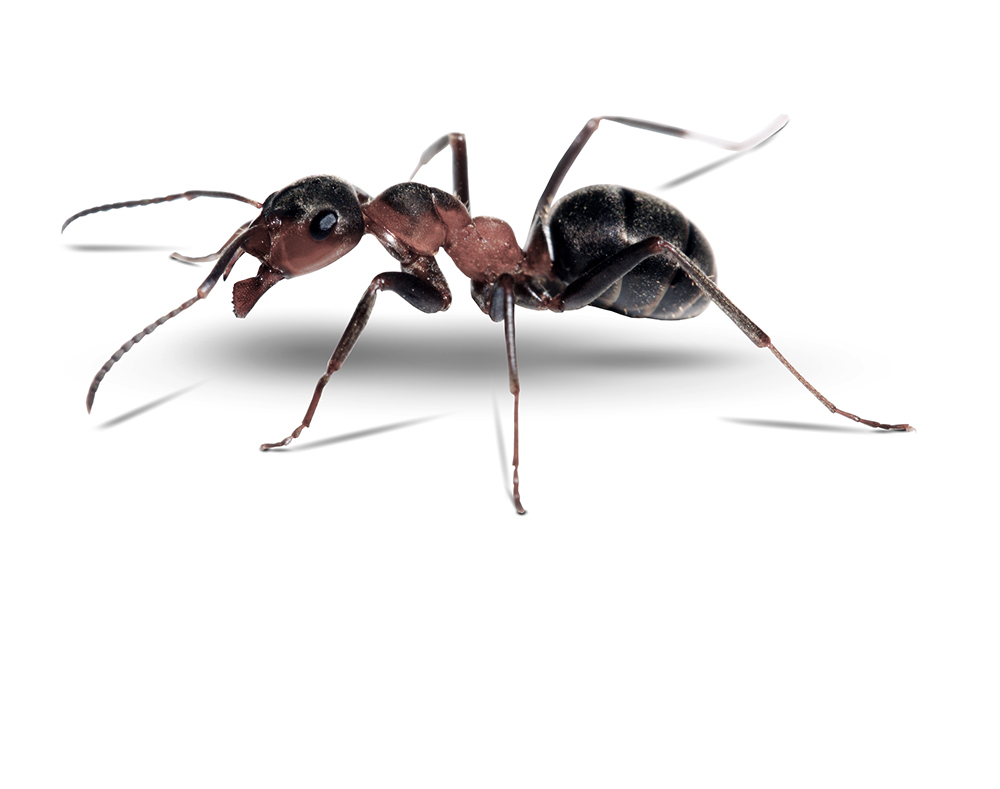
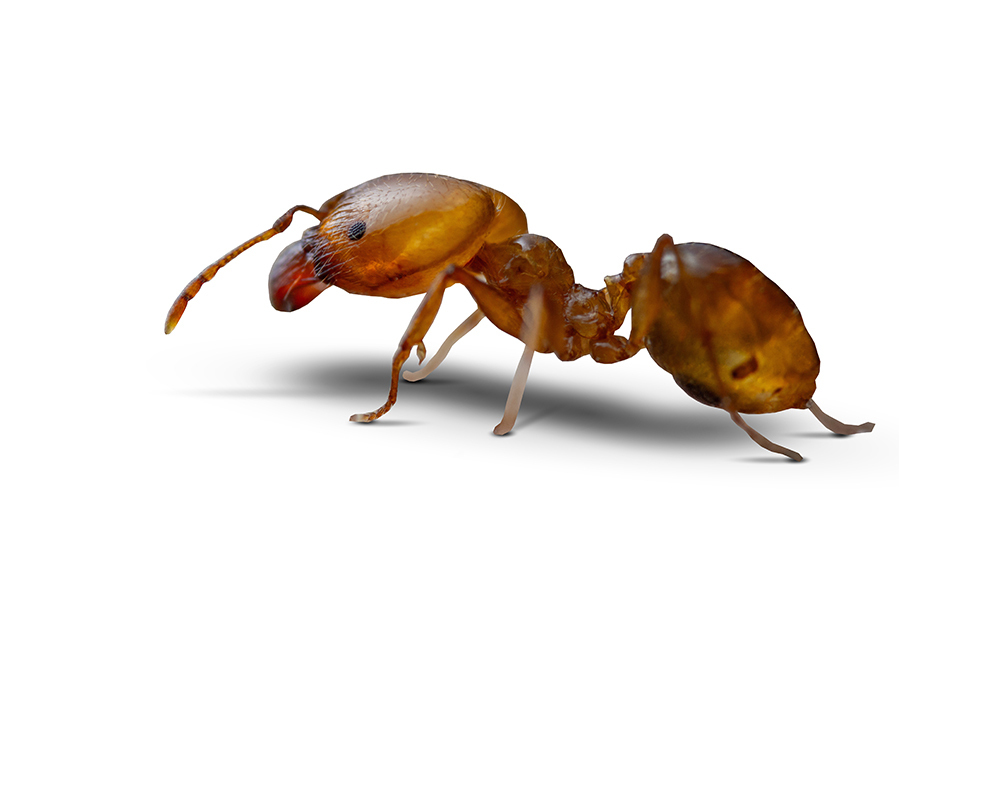
Other pests we deal with that often turn up in the same places.

Our friendly and knowledgeable team will be happy to help! Contact us to speak to a representative.
Every transaction is completely secure. We take your privacy seriously.
Pest problems wait for no one. That’s why you won’t have to wait long for us to take care of them.
We are bonded and insured to give our clients the peace of mind they deserve.
